

Table of Contents
### Blog Post:
Sculptural glass pendant light colored fixtures are reshaping home lighting with their artful forms and color-rich glass, transforming dining rooms, kitchens, and hallways into standout spaces. If you crave something more expressive than plain white domes, these luminous sculptural designs in blush, jade green, and honey tones are now on trend—yet, there are real-world factors to know before you buy.
What Are Sculptural Glass Pendant Lights and Why Choose Colored Glass?
Sculptural glass pendant lights are statement fixtures crafted from colored or tinted glass, often in organic or geometric forms. The trend for 2024 puts focus on pastel hues like blush pink and jade green, honey golds, and misty whites. Unlike standard clear glass pendants, these lights double as art pieces, casting soft, colored glows and serving as focal points in kitchens, dining rooms, and hallways. Interior designers now favor oversized, asymmetrical pendants that create conversation and soften the mood of minimalist or color-drenched interiors.
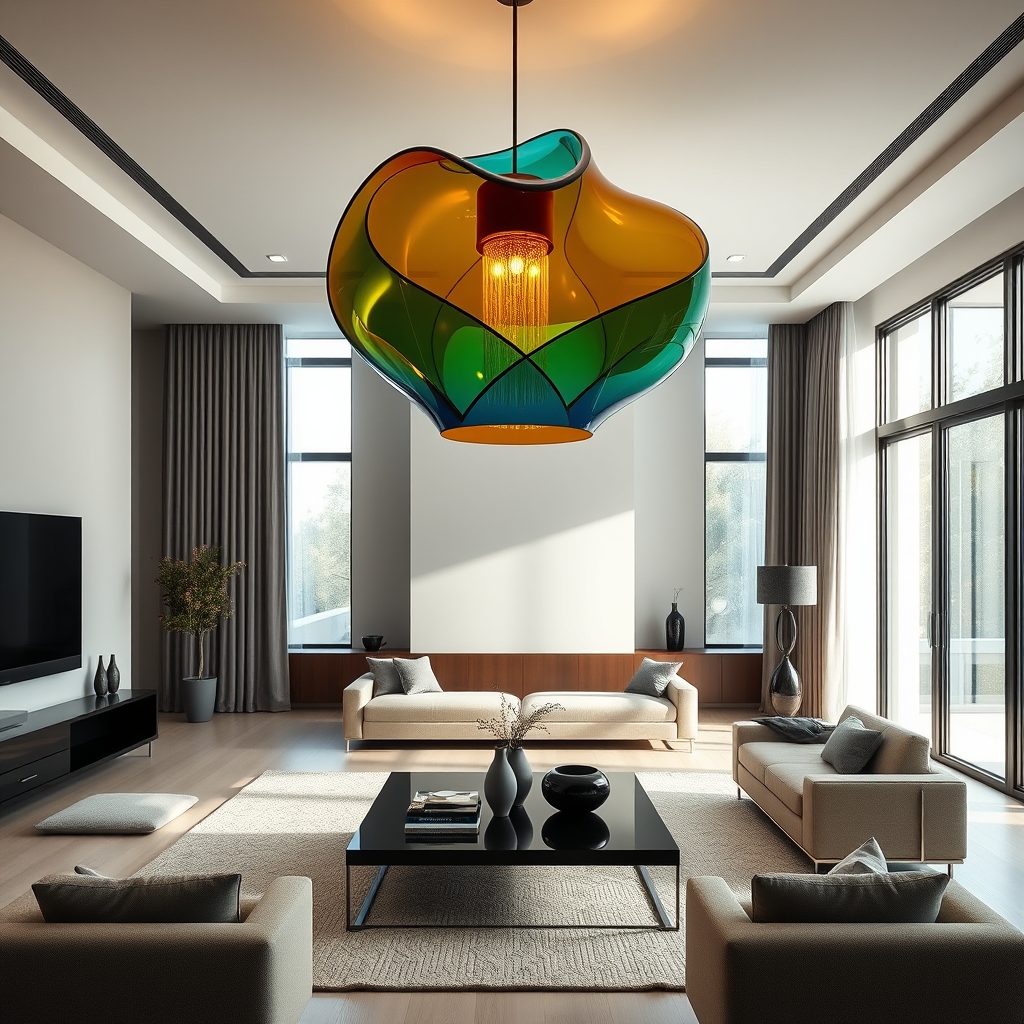
The colored glass trend is driven by a broader move toward nature-inspired palettes and biophilic forms, offering both energy and serenity. These fixtures blur the line between lighting and art, replacing utilitarian shades with jewelry-like installations—especially above kitchen islands or dining tables, and in hallways that deserve more than just a practical ceiling fixture.
Alongside form and color, finishes like misty/opaque or gold-accented glass provide a gentle, diffused light that flatters both rooms and people. For those who want to layer color and texture in their spaces, these lights pair beautifully with trends like color drenching in the living room or green stone countertops in kitchens.
Step by Step Guide: How to Choose and Install a Sculptural Glass Pendant Light Colored
Selecting and installing a sculptural colored pendant light can seem daunting, but following a step-by-step approach will help you avoid costly mistakes and maximize style and performance.
- Define the role of the pendant. Is it a task light over a kitchen island, an ambient glow in a hallway, or a bold centerpiece over your dining table? Placement and function define size, color intensity, and finish.
- Choose the color and shape thoughtfully. Blush pink and jade green glass work well with color-forward schemes (see the rise of two-tone cabinets and bold kitchen islands), while soft golds and misty blues can connect with subtle palettes. Organic, asymmetrical forms suit relaxed, biophilic looks; geometric or faceted styles fit modern interiors.
- Source with authenticity in mind. Hand-blown glass pendants are unique, often showing subtle bubbles or slight irregularities that signal artisan work, but come at a higher price. If authenticity is key, request certificates of origin or look for brands referencing Murano or reputable European studios. Mass-produced options may be more uniform and affordable, but lack the character of artisan glass.
- Assess installation needs. Decide between hardwired, plug-in, or modular mounting systems. For renters, plug-in pendants or modular lighting systems are practical. Confirm your ceiling type and the canopy size needed; most colored glass pendants have a central canopy but may require a larger support plate for heavier, hand-blown models.
- Check bulb specifications. Many sculptural colored pendants require E26 or E27 base bulbs—ideally LED for longevity and efficiency. Not all are dimmer compatible or support smart bulbs, so clarify with the manufacturer. Warm color temperatures (2700K-3000K) best complement colored glass.
- Plan for cleaning and maintenance. Colored or pastel glass can show dust and fingerprints. Opt for pendants designed with open bottoms for easier bulb replacement and cleaning and maintenance access. Avoid harsh abrasives on colored coatings—stick to a soft microfiber cloth.
- Layer your lighting for depth. Pair your sculptural pendant with wall sconces, under-cabinet LEDs, or accent lamps (layered lighting is a rising trend) for a fully dynamic atmosphere.
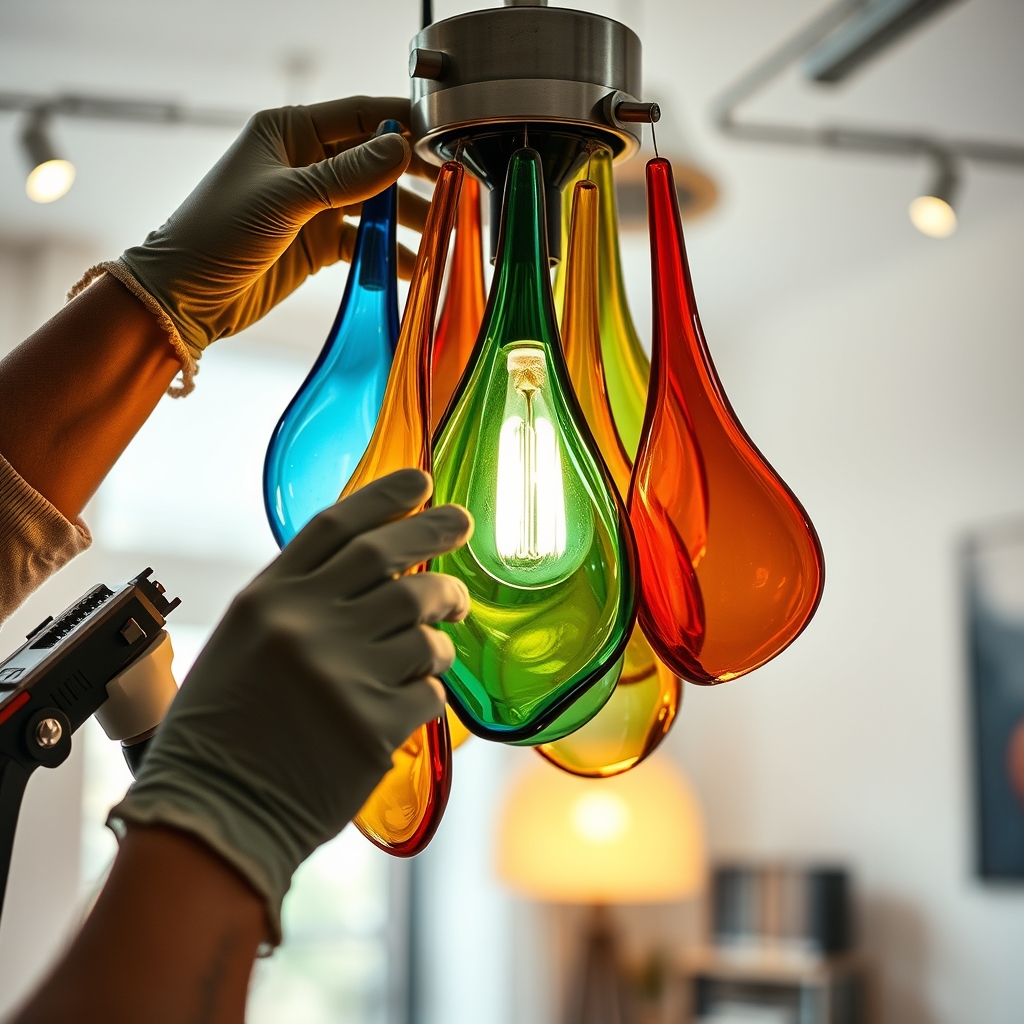
When grouping pendant lights—such as above a kitchen island—consider mixing complementary colored glass shades for a custom statement. This approach echoes the popularity of lighting clusters over kitchen islands in current kitchen renovations.
Advanced Analysis and Common Pitfalls with Colored Glass Pendant Lighting
Sculptural glass pendant lights are undeniably beautiful, but there are notable challenges and pitfalls to address to avoid costly regrets:
- Durability and Fading: Pastel and colored glass can sometimes fade from UV exposure, especially in sunlit kitchens or dining areas. Some mass-produced finishes or painted-on tints may discolor faster than kiln-tinted or solid colored glass.
- Fragility: Hand-blown pendants often use thinner glass for elegance, increasing their vulnerability to breakage during installation or cleaning. Always check fixture weight and anchoring requirements to ensure a safe install—especially for oversized, sculptural pieces.
- Maintenance: Colored glass, especially in blush and light green, shows smudges and airborne kitchen grease. Unlike clear glass, matte or misty finishes may require gentler, non-abrasive cleaning to avoid clouding the surface.
- Installation Hurdles: Many colored glass pendants are heavier than standard fixtures and may need extra ceiling bracing. Hardwired installs usually require a qualified electrician. For renters or apartments with concrete ceilings, installation without drilling may necessitate plug-in or modular solutions.
- Cost Transparency: Price ranges are rarely disclosed upfront, especially for artisan hand-blown Italian glass. Expect significant price differences: hand-blown pieces typically cost 3-5 times more than mass-manufactured versions, but actual numbers are rarely published (designer lighting guides mention this trend without specifics).
| Feature | Hand-Blown Glass | Mass-Produced Colored Glass |
|---|---|---|
| Durability | Moderate, risk of thinner glass chipping | Higher, but colors may fade or peel |
| Authenticity | Each piece unique, look for pontil marks and bubbles | Uniform, little to no imperfections |
| Installation | Often requires heavy-duty mounting, professional install | Standard mounting, lighter weight |
| Value | High—artisan quality, higher upfront cost | Lower cost, mass availability |
| Certifications | Look for Murano label or artist certificate | Rarely provided |
Certification is crucial for collectors or customers who care about provenance, yet few retailers offer clear proof of hand-blown artistry. Ask for documentation or specific photos of pontil marks—these small bumps or scars at the glass base signal traditional handcraft.
Energy efficiency is another important factor. Many artistic pendants still use halogen bulbs, which are less efficient compared to LEDs. Check if the fixture supports dimmer compatible, smart, or LED retrofit bulbs to future-proof your investment. For tech-forward homes, consider smart kitchen lighting with layered LEDs to complement your sculptural focal point.
Conclusion: Bringing Color and Sculpture to Your Home Lighting
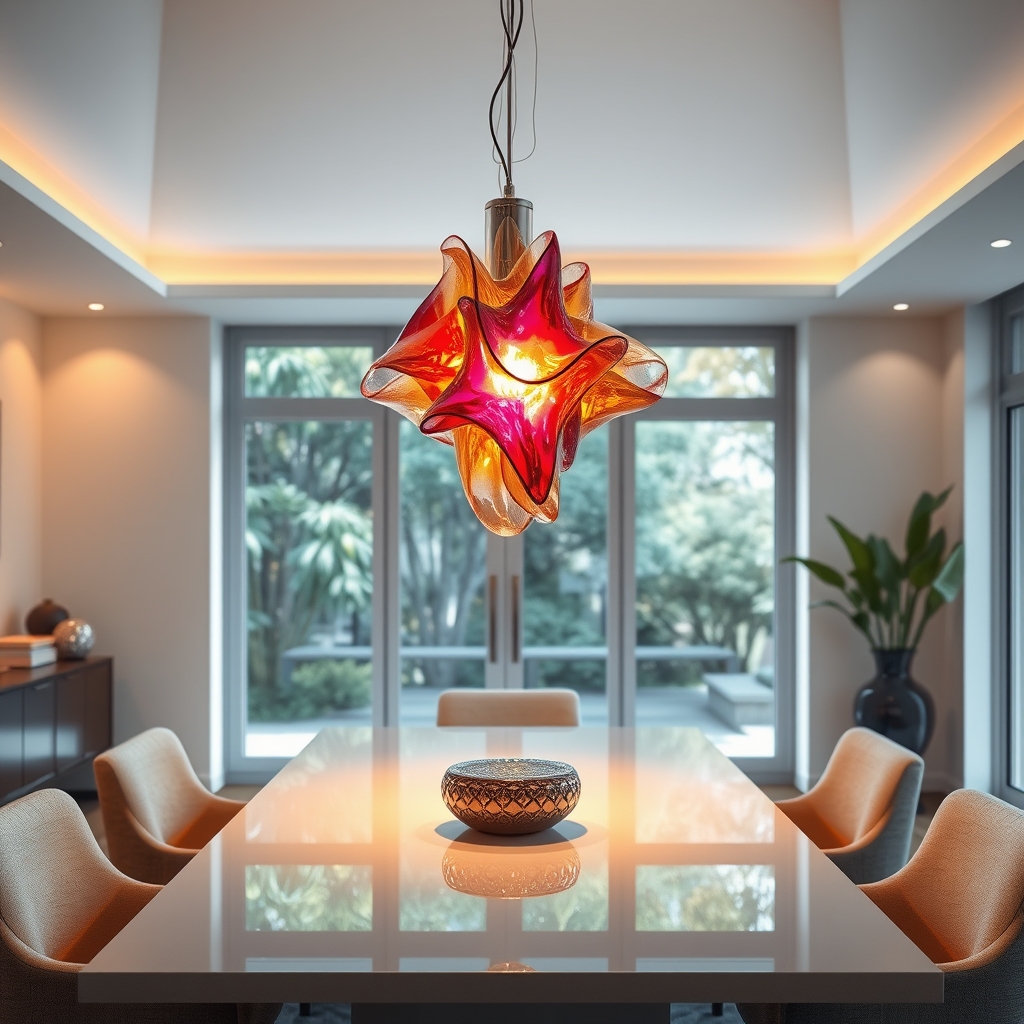
Sculptural glass pendant light colored fixtures are not just a fleeting trend—they embody the movement toward more personal, expressive, and visually layered interiors. While hand-blown artisan pieces deliver lasting value and unmatched beauty, even well-chosen mass-produced colored pendants can make a dramatic statement. Prioritize technical fit and maintenance alongside aesthetics so your lighting delivers lasting satisfaction. Ready to level up your kitchen, hallway, or dining space? Start exploring sculptural glass pendant light colored options that align with your space, taste, and daily needs.
For more ways to personalize your space with layered lighting, explore adaptable lighting solutions or discover how organic stone pendants add tactile luxury. Don’t just follow the trends—make your lighting a true work of art.
FAQ: Sculptural Glass Pendant Light Colored
How do I distinguish a real hand-blown glass pendant from a mass-produced one?
Hand-blown pendants often show subtle bubbles, asymmetry, and a pontil mark (scar) at the base where the glass was cut from the rod. Mass-produced versions are typically flawless and uniform. Ask for provenance documents or closeup photos if authenticity is important.
Are colored glass pendants suitable for kitchens or high-sunlight spaces?
Yes, but pastel tints may fade faster under direct UV exposure, especially if color is applied as a coating rather than integral to the glass. Look for kiln-colored glass for longevity, and avoid placing delicate pendants where they can be bumped or splashed.
What technical details should I check before buying?
Confirm bulb type (E26/E27 or GU10), LED or dimmer compatibility, mounting method (hardwired versus plug-in), and canopy size. For heavy sculptural pieces, verify your ceiling can support the weight. Check if the fixture supports smart bulbs for future upgrades.
How do I clean and maintain a colored glass pendant light?
Use a dry microfiber cloth or slightly damp one for smudges. Avoid abrasive sprays or pads, especially on pastel or coated glass. For fixtures with open bottoms, cleaning and bulb changes are much easier. Always turn off power before handling.
Are sculptural colored glass pendants energy efficient?
Many artisan pendants are compatible with LED bulbs, which are the most energy efficient. Confirm specifications with the manufacturer, as some traditional designs may only support halogen or incandescent bulbs without LED retrofit kits.
—