

Table of Contents
### Blog Post:
Two-tone kitchen cabinets upper lower designs are dominating modern renovations, giving homeowners more visual depth and flexibility than traditional single-color kitchens. In this guide, you’ll learn exactly how upper and lower two-tone cabinet strategies are reinventing kitchen style, what to avoid, and actionable steps for a cohesive, high-value upgrade.
What Are Two-tone Kitchen Cabinets (Upper Lower)?
Two-tone kitchen cabinets with different colors for uppers and lowers are a top kitchen design trend heading into 2026. The most popular configurations feature light upper cabinets combined with darker lower cabinets. This approach draws the eye upward, creating an illusion of height and making kitchens of all sizes appear brighter and more open.
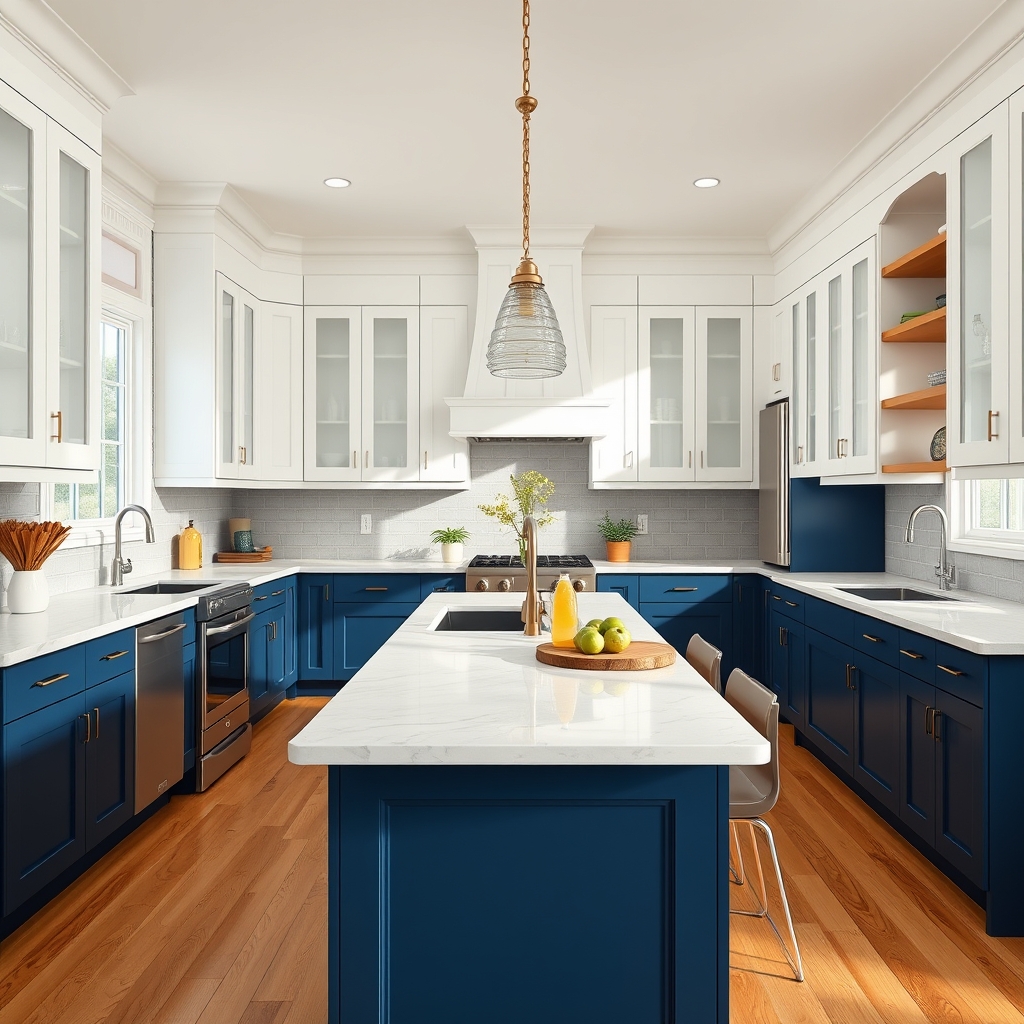
Designers cite combinations like navy blue or forest green islands with white or light gray perimeter cabinets as a way to carve out distinct zones or highlight focal areas. The trend is evolving toward warmer, earthy colors—think terracotta, rust, muted olive, and sage green—especially when paired with natural wood grains (NV Kitchen & Bath). Because these color combinations feel custom, they outperform single-color kitchens in buyer appeal and projected long-term relevance (Final Draft Cabinetry).
For more design ideas, check out our guide to the best two-tone cabinet color pairings and see how combinations are shifting for modern and traditional kitchens.
How to Get the Look: Step-by-Step Guide
Upgrading to two-tone kitchen cabinets—different colors on upper and lower cabinets—with a contrasting island is a smart way to refresh your kitchen without a costly full renovation. Here’s a step-by-step guide for getting it right the first time.
- Evaluate your kitchen’s natural lighting: Bright, north-facing kitchens can handle moodier dark lowers, while dim spaces benefit from all-over lighter tones.
- Choose your color pairings: Classic options for small and large kitchens include:
- Navy lower/white upper
- Charcoal lower/light gray upper
- Forest green lower/natural wood upper
- Sage green lower/creamy beige upper
- Earthy terracotta or olive paired with natural wood
See more inspiration and trending palettes at 2026 trending kitchen colors.
- Pick a bold island color (optional but impactful): Use deep blue, green, or even black on the island while keeping perimeters neutral for a tailored, modern statement. This works in any size kitchen.
- Sample and test cohesion: Compare cabinet, countertop, backsplash, and hardware combinations together. Look for clashing undertones or finishes. Test with your kitchen’s actual lighting and date-of-day changes.
- Finalize paint or finish types: While sources don’t specify, most designers recommend a durable semi-gloss or satin finish on lowers for scrub-ability, and either satin or matte on uppers for a softer, less reflective look. Always prioritize cohesion over following trends blindly.
- Plan hardware and fixture updates: Choose pulls and knobs that work across both cabinet colors—matte black or brushed brass are safe, modern choices.
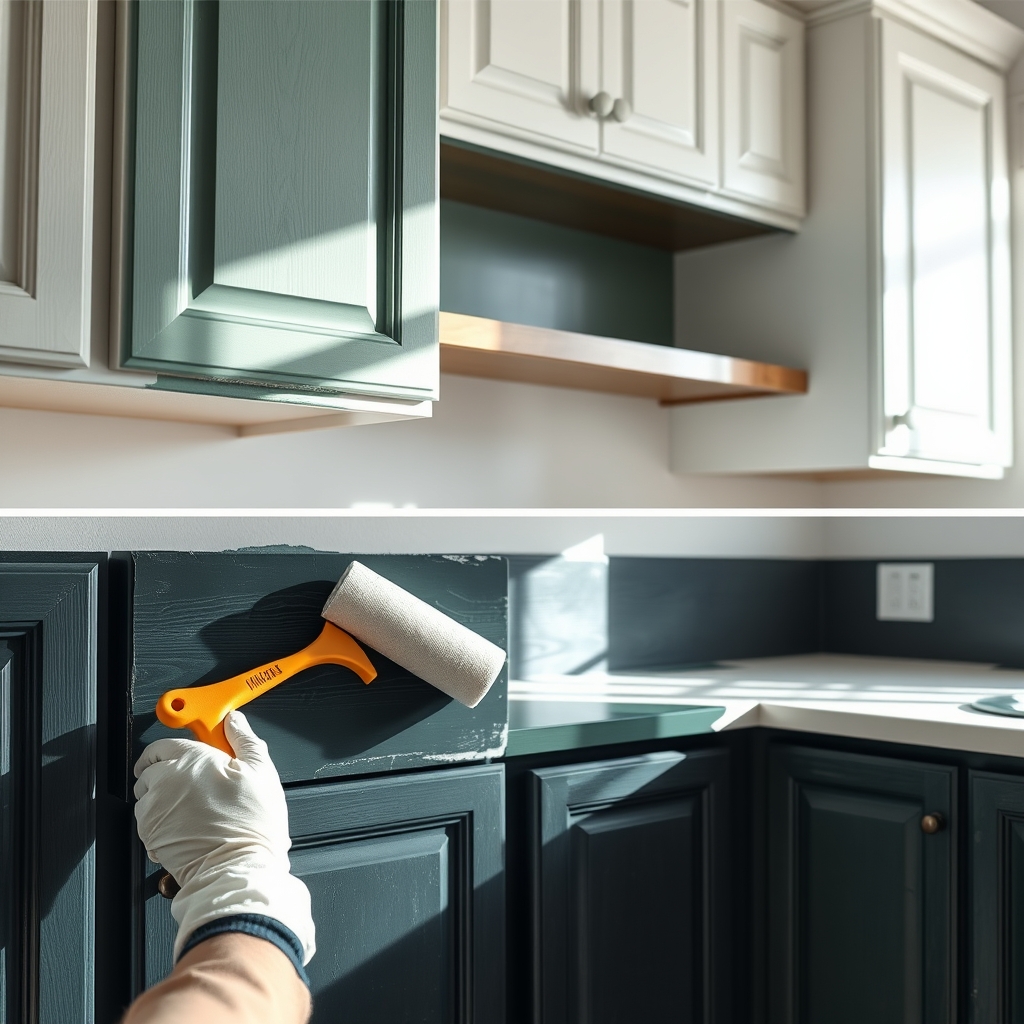
- Hire a pro or prep for DIY: If painting, use a professional for the smoothest results. If refacing, ensure the team has experience with two-tone layouts.
To deepen your research, explore our in-depth article on matching kitchen cabinet hardware finishes, or see if dark or light kitchen cabinets best suit your lifestyle.
Advanced Analysis & Common Pitfalls
Two-tone kitchen cabinet upgrades deliver character, but they aren’t risk-free. Here are the most common issues and design missteps homeowners face, plus how to avoid them.
Common Pitfalls
- Lack of Cohesion: Mixing colors without considering undertones, wood grains, or adjacent finishes can lead to a patchwork effect. Test full samples in situ under real lighting.
- Poor finish choice: Overly glossy paint on lower cabinets shows dirt and fingerprints; matte on high-use base cabinets can be hard to clean. Aim for a durable semi-gloss or stain-resistant satin.
- Ignoring resale value: Ultra-trendy or stark color choices may alienate future buyers. Neutrals and nature-inspired tones have broader, longer-lasting appeal (source).
- Skipping hardware or countertop updates: Leaving old, mismatched hardware or counters may cause the new color scheme to feel piecemeal.
- Underestimating labor and cost: Switching to two-tone can require more specialized labor, coordination, and sometimes extra finish work, especially when adding a bold island color. Always get detailed quotes from experienced trades.
Common Problems Compared
| Issue | Single-Color Cabinets | Two-tone Cabinets (Upper Lower) |
|---|---|---|
| Visual Flow / Cohesion | Easier to match, feels safe | Requires planning; can look busy if mismatched |
| Maintenance & Cleaning | Uniform cleaning needs | Dark lowers may hide dirt; light tops show grime |
| Resale Value | Might feel generic; few “wow” factors | Potential for custom appeal if harmonious |
| Long-term Trend Safety | Always classic, but can feel dated | Best when using earth tones or wood accents |
For more tips, learn how to avoid common kitchen cabinet design mistakes or consult our cabinet materials comparison for durability and ease of maintenance.
Conclusion
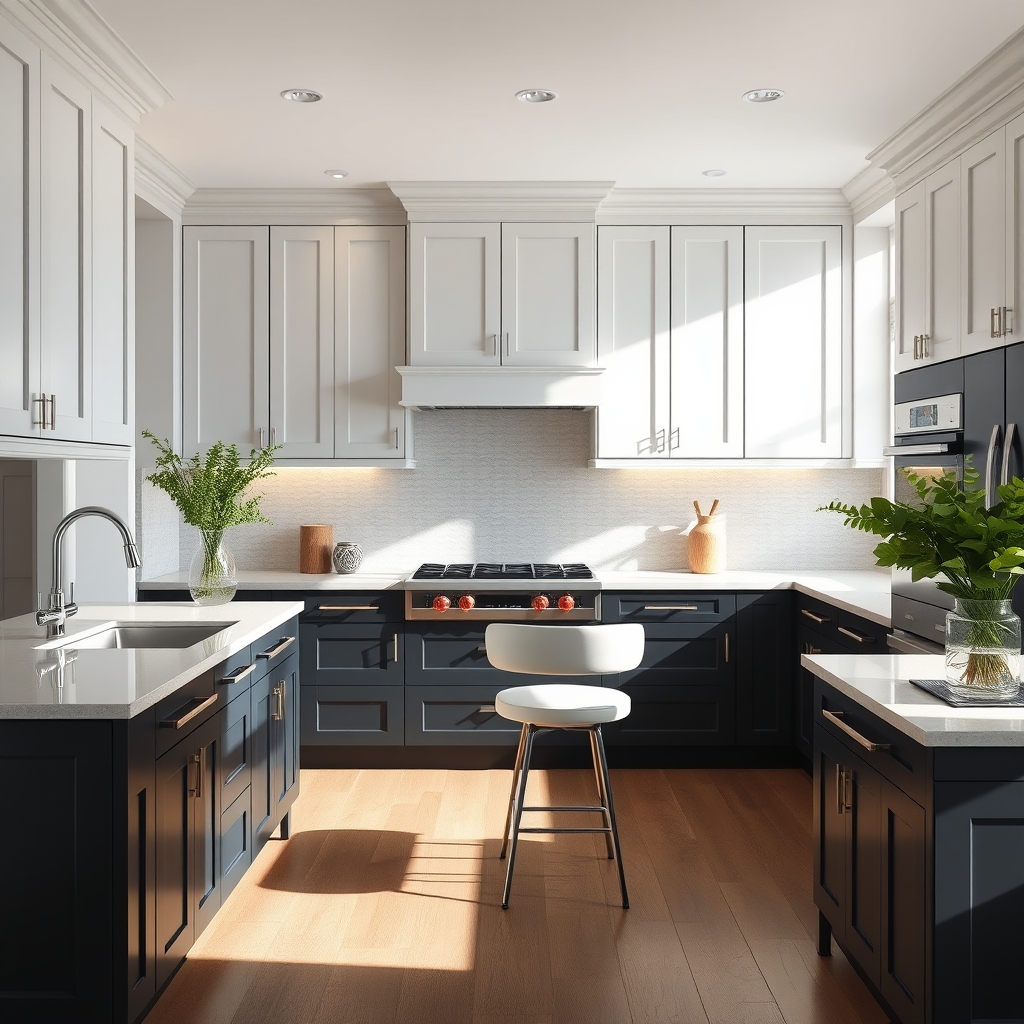
When thoughtfully executed, two-tone kitchen cabinets upper lower designs can completely transform your kitchen’s feel, enhance perceived space, and offer strong resale advantages. Prioritize testing combinations in your real lighting, plan for modern cohesive hardware, and stick to timeless color pairings for the best results. Ready to upgrade? Start planning your two-tone kitchen transformation today.
FAQ: Two-tone Upper Lower Kitchen Cabinets
Do two-tone cabinets work in small kitchens?
Yes, using lighter uppers and darker lowers adds visual height and reduces visual clutter, making small kitchens feel more spacious. Bold contrasting islands can anchor the space without overwhelming it.
Are two-tone kitchens harder to maintain or clean?
Maintenance depends on your finish choices. Dark lowers hide scuffs better but show dust, while light uppers hide dust but show cooking stains. Use enamel or semi-gloss on lower cabinets for easier cleaning.
Do two-tone cabinets increase home resale value?
Well-executed designs often attract buyers looking for custom, modern kitchens. However, colors that are too trendy or clashing can turn off some buyers, so stick to timeless pairings for best ROI (Prime Cabinetry).
What color combinations are recommended for a timeless look?
Classic pairings recommended by designers include navy lowers with white uppers, charcoal with light gray, sage green with wood, or earthy tones (like olive or terracotta) with soft neutrals.
Can I do two-tone cabinets without a professional?
It’s possible for handy DIYers to paint or cover cabinets themselves, but for a polished result, especially with bold colors or high-traffic kitchens, hiring a pro experienced with two-tone layouts is highly advised.