


Table of Contents
### Blog Post:
travertine pendant light kitchen designs are transforming modern kitchens with their organic elegance and earthy warmth. If you want to add natural sophistication over your kitchen island but want details beyond the buzz, here’s everything you need for an informed decision.
Travertine Pendant Light Kitchen: The Core Concept
Travertine pendant lights are natural stone fixtures crafted mainly from travertine, a form of limestone valued for its porous character, creamy neutral tones, and luxurious texture. Their appeal in kitchen settings—especially over islands—lies in their ability to add visual warmth, organic detail, and a calming biophilic element right where you gather most.
Lately, these fixtures are a focal point of 2024 kitchen lighting trends and compete with brass, copper, and hand-blown glass pendants. Yet, unlike mass-manufactured lights, each travertine pendant is unique, its material drawn from the earth and hand-finished by skilled artisans.
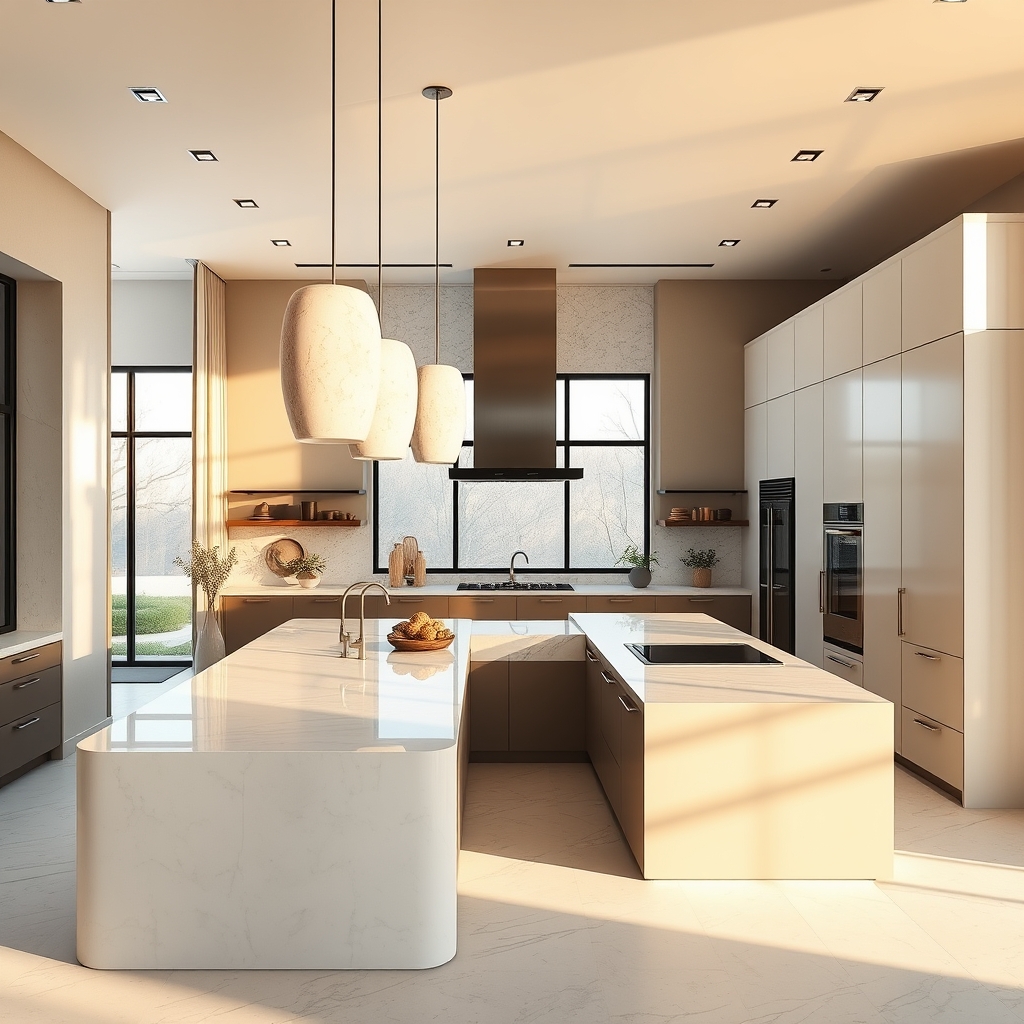
Homeowners and designers choose these pendants for:
- Aesthetic warmth and textural contrast.
- The sustainability story of using quarried, low-energy natural materials [source].
- A timeless, calming influence in high-traffic kitchen spaces.
When placed above kitchen islands, travertine pendants function as both architectural statement and functional lighting, enhancing value and ambiance. For further kitchen design inspiration, see our guide to modern kitchen lighting ideas.
Step-by-Step Guide: Choosing and Installing Travertine Pendant Kitchen Lights
Want to integrate a travertine sample pendant light into your kitchen for maximum impact? Here’s a step-by-step approach that covers planning, selection, installation, and daily use. Whether you’re upgrading a small breakfast bar or illuminating a grand island, these actions keep your project grounded in reality.
1. Size and Placement
- Measure your kitchen island and consider ceiling height. Oversized travertine pendants (12 to 18 inches in diameter) have impact but require sturdy support.
- For visual balance, leave 24–30 inches between each pendant and at least 30–36 inches between the island and the bottom of the fixture. Adjustable cables help fine-tune placement.
Check out our kitchen island light spacing guide for optimal visual flow.
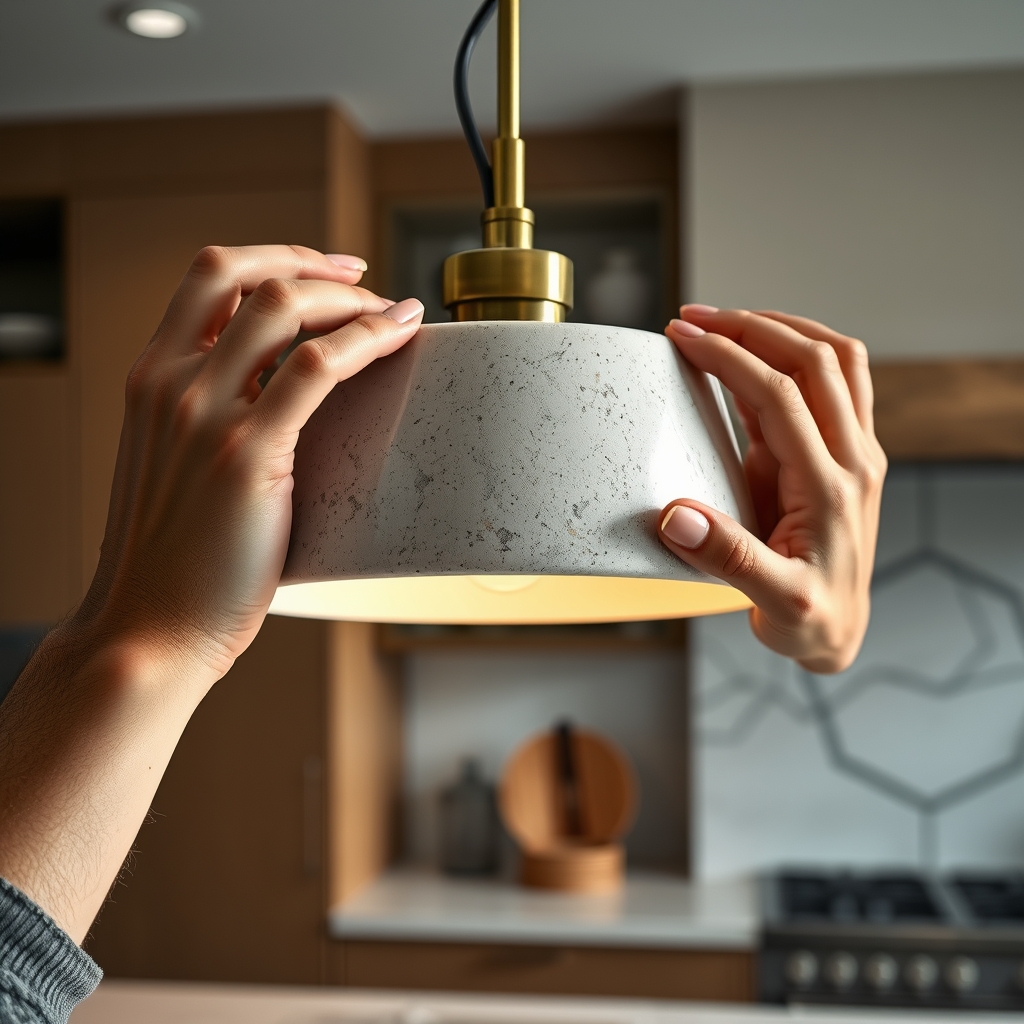
2. Choosing the Right Fixture
- Consider handmade, artisan pendants for the best character.
- Note wiring standards: Most pendants are compatible with standard US or EU wiring, but some imported fixtures may require conversion or transformers.
- Check the maximum wattage—a 60W-equivalent LED bulb generally suits kitchen needs for both ambient and task lighting.
- Prefer warm, soft LED bulbs that accentuate travertine’s natural veins. Avoid harsh white light, which can flatten the stone’s beauty [details].
For pairing with other fixtures, check our list of best pendant light bulbs.
3. Installation and Weight Considerations
- Stone pendants are heavier than glass or metal. Verify that your ceiling and mounting point can bear the load—most require reinforcement or a brace.
- If you aren’t handy or lack the right hardware, hire a licensed electrician to avoid safety hazards.
- Handle with care: Travertine is strong but can chip if dropped during installation.
4. Maintenance and Care
- Gently dust pendants weekly with a soft cloth or feather duster—avoid abrasive cleaners.
- If needed, wipe stone with a damp cloth and neutral soap, then dry thoroughly to prevent moisture from seeping into pores.
- Consider applying a breathable stone sealant. While not commonly specified, this can dramatically reduce risk of staining and discoloration from kitchen humidity and grease.
For more detail, see our guide on cleaning kitchen light fixtures.
5. Cost and Value Tips
- Artisan travertine pendants can be significantly more expensive than mass-market synthetics or glass—often reflecting handwork and material sourcing. Some fixtures exceed $350–$1000 per pendant, especially for custom or designer pieces.
- Choose direct-from-maker brands to avoid middleman markups.
- Always clarify return and warranty policy; real stone may vary from online images.
Read our resource on kitchen lighting cost guide before finalizing any order.
Advanced Analysis & Common Pitfalls
Most guides skip critical pitfalls and advanced issues with installing or owning a travertine pendant light kitchen fixture. Here’s what you should realistically expect, according to the latest research and direct market observations:
- Limited published technical specs: You’ll rarely find clear data on fixture weight, load requirements, or maximum supported wattage for stone pendants. This is inconvenient for planning proper installation, especially if replacing a lighter fixture.
- No major reports of consumer complaints: While trends emphasize positive attributes—texture, warmth, and sustainability—few vendor or review sites document product faults or negative experiences [source].
- Potential long-term durability unknowns: Sourced research did not reveal controlled tests of travertine’s performance in kitchen humidity or with heat exposure. It’s vital to use soft lighting and avoid exposing pendants to direct, prolonged steam or intense heat.
- Porosity, cleaning, and sealing: Unlike dense stones, travertine’s open pores can allow moisture, grease, or dyes to seep in. Regular gentle cleaning and (optionally) occasional sealing will reduce this risk—especially crucial above cooktops or sinks.
| Feature | Travertine Pendant | Limestone Pendant | Matte/Synthetic Stone Pendant |
|---|---|---|---|
| Weight | Moderate-Heavy, varies by cut | Moderate-Heavy | Lightweight to moderate |
| Porosity | Porous (higher risk for stains) | Variable (generally denser) | Low (more stain resistant) |
| Maintenance | Simple, but regular dusting & optional sealing | Similar | Easiest |
| Durability | High (if properly installed and cared for) | High | High |
| Sustainability | Natural, low-energy to quarry | Natural, potentially higher-impact quarrying | May involve plastics or composites |
Most manufacturers and guides do not address deeper issues of supply chain ethics or sourcing, though this is a growing concern in natural stone procurement [trend overview]. Consider asking retailers about their quarry sourcing policies for transparency, especially if sustainability is a core value for your renovation project.
Looking for more advanced design advice? Check our articles on lighting over marble surfaces and latest kitchen lighting trends.
Conclusion
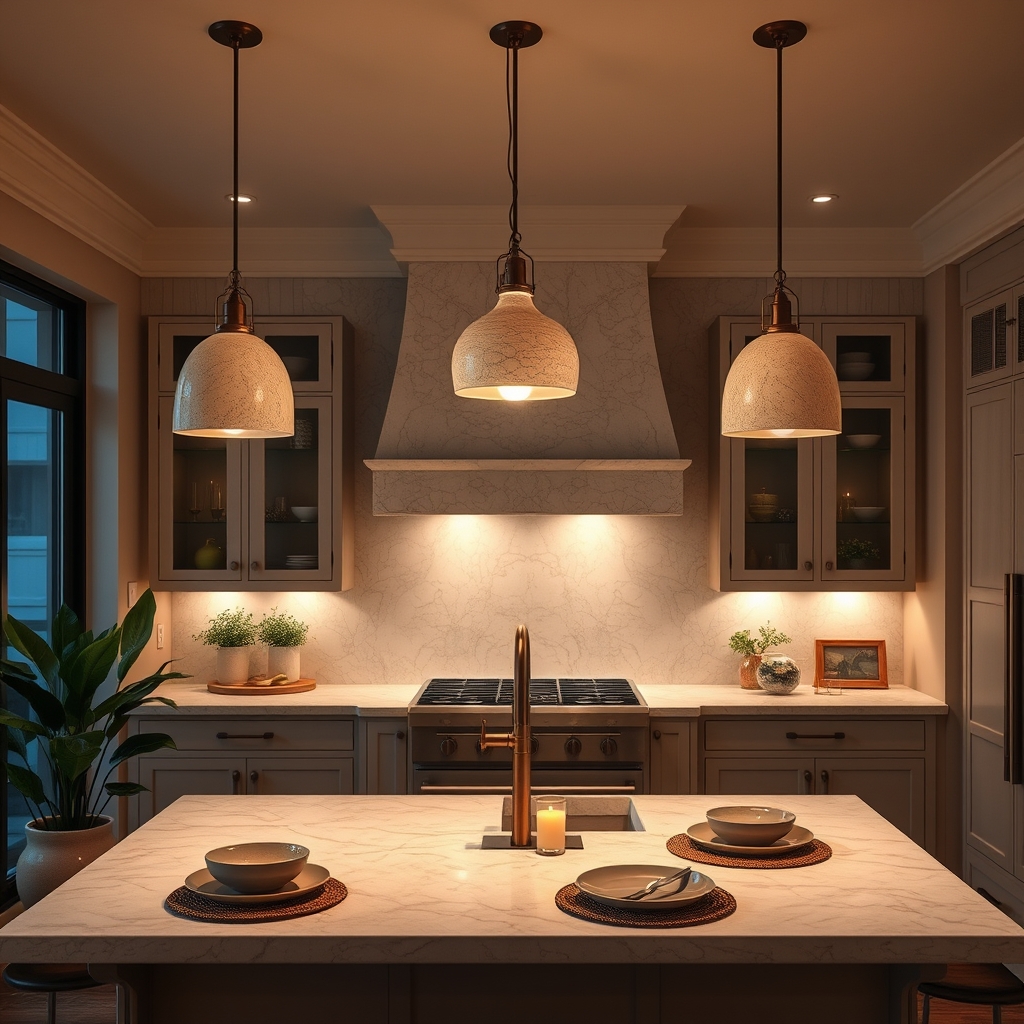
Travertine pendant lighting brings textural elegance and sustainable luxury to kitchen spaces, with unique materials that command attention above islands or counters. While travertine pendant light kitchen fixtures are highly sought after in recent years, hard numbers on cost and long-term performance are still emerging. Prioritize authentic materials, proper installation, and regular gentle care for the very best result.
Ready to start your transformation? Browse our updated travertine lighting collection and book a free design consult to make sure your project shines.
Frequently Asked Questions
Are travertine pendant lights suitable for kitchens with high humidity?
Travertine is naturally porous and can absorb moisture. In kitchens with high humidity or above stoves, we recommend sealing the stone and wiping off splashes promptly to prevent stains.
How do travertine pendant lights compare to glass or brass pendants?
Travertine pendants offer unique organic warmth and texture, while glass or brass often reflect more light and can be easier to clean. Travertine is heavier and needs sturdy support but adds natural character not found in manufactured fixtures.
What kind of bulbs should I use in a travertine kitchen pendant?
Choose warm, soft LED bulbs for the best color and stone texture rendering. Avoid high-wattage or harsh blue-white light, which can flatten the stone’s natural appearance.
How do I clean travertine pendant lights?
Regularly dust with a feather duster or microfiber cloth. For greasy residue, use a damp cloth and mild soap, then dry immediately. Avoid abrasive cleansers or rough sponges to protect the finish.
Do travertine pendant lights require professional installation?
Because of their weight, professional installation is recommended unless you have experience reinforcing ceiling mounts and wiring. Always use hardware designed for heavier fixtures.
—