

Table of Contents
living room color washing technique is emerging as a top 2026 trend for people who want richer, deeply textured interiors without committing to flat, solid color. This approach lets you layer beautiful, saturated hues on your walls for a cocooning, hand-finished look that flat paint just can’t deliver.
The Core Concept: What Is Living Room Color Washing?
Living room color washing is a decorative finishing technique where diluted paint or glaze is applied over a base color. You use brushes, sponges, or soft cloths to create gently layered, tonal shifts that mimic natural plaster, aged patina, or cloudy Italian limewash walls—without the hefty price. Instead of stark, flat walls, the finish looks moody and subtly reflective.
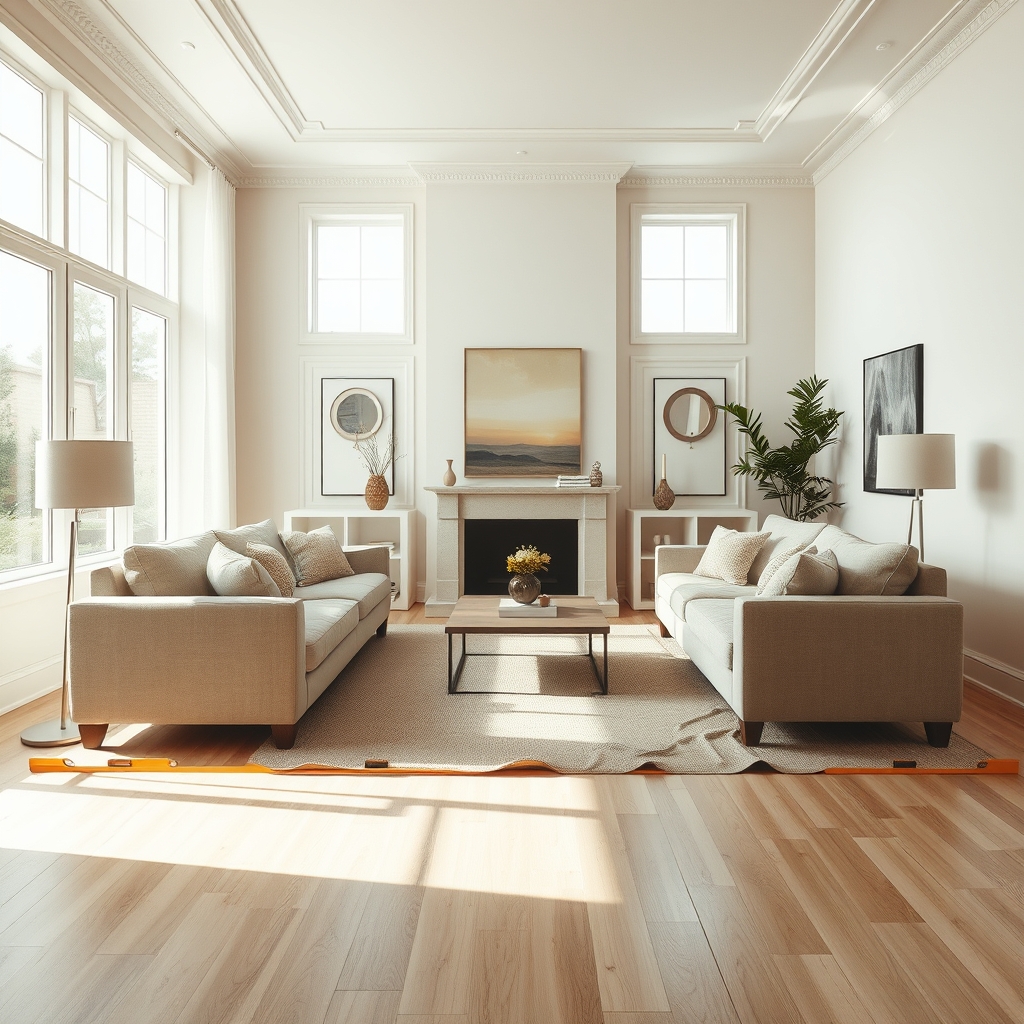
The 2026 color trend report from New Homestar and HGTV Home by Sherwin Williams spotlights warm taupes, earthy greens, clay, and mushroom browns as leading shades. These colors, when color washed, give a cocooning, enveloping effect ideal for rooms that feel flat or sterile after years of minimalism.
Unlike color blocking, which uses sharp contrasts and geometric edges, color washing is all about movement and mixed undertones—it looks hand-applied by design. This finish is perfect for renters wanting drama but needing easy future refreshes, or homeowners seeking a high-end look without artisan plaster costs.
To see how deep, enveloping palettes can reshape your space, explore our color drenching living room guide—another top 2026 trend that pairs beautifully with washed finishes.
Step-by-Step Guide: How to Do a Living Room Color Wash
You don’t need pro painting experience to try the living room color washing technique, but prep and patience are essential. Here’s a detailed walkthrough to get you the rich, nuanced tones trending for 2026.
- Prep your walls. Fill holes, sand smooth, and wash away dust or oil. Vacuum trim and corners thoroughly. Remove outlet covers and mask all trim—even if you’re doing the ceiling as well.
- Base coat application. Paint the entire wall with a flat or eggshell base color that will peek through your color wash. Let fully cure for at least 24 hours for best blending.
- Mix your wash. Combine semi-gloss or satin latex paint (or a professional glaze medium) with water at a 1:2 or 1:3 ratio. For a more transparent effect, add more water or glaze. Stir constantly.
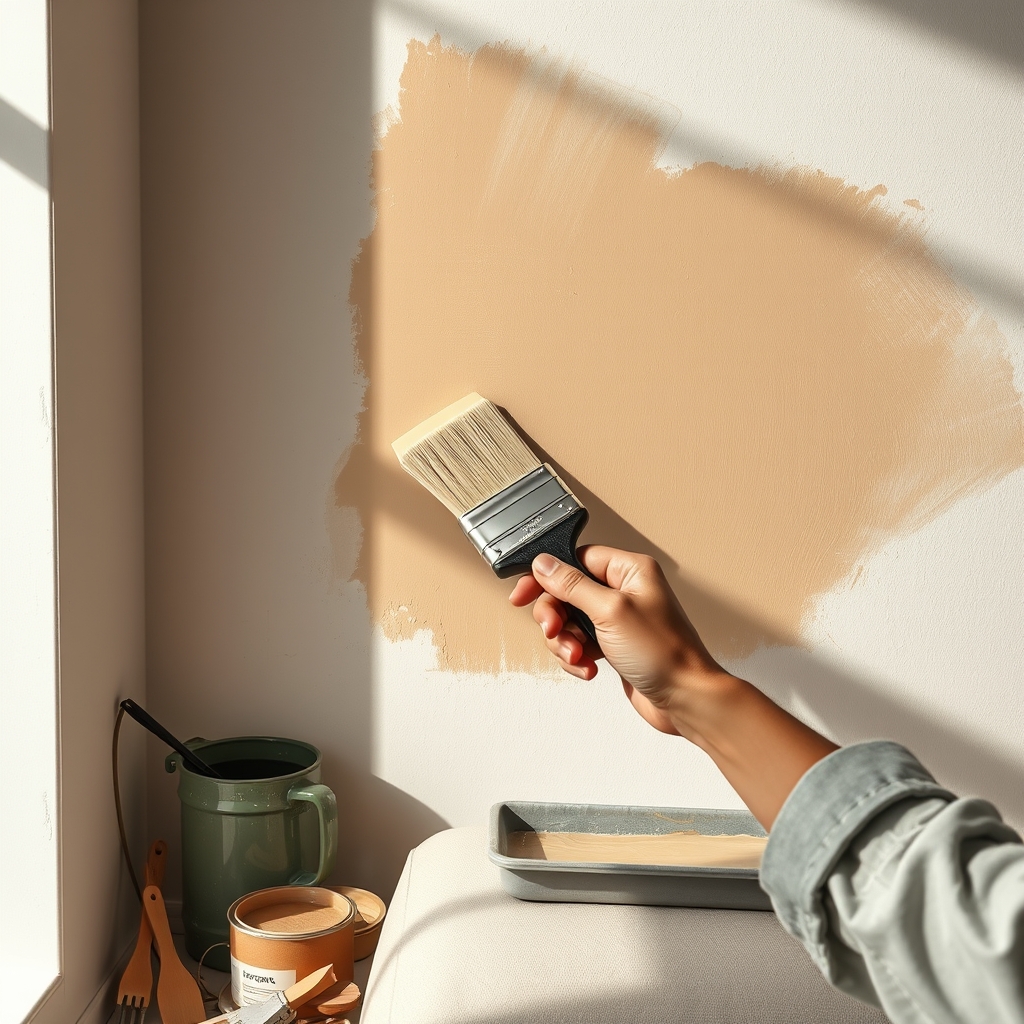
- Apply the wash in vertical sections. Use a wide brush or sponge. Work from top down in 2–3 foot panels, using long sweeping motions. Feather edges as you go—don’t let one section dry before blending the next to prevent hard lap marks.
- Blend and layer. Softly pounce edges with a damp cloth or clean, dry brush to blur division lines. Add a second layer in areas that need more depth, letting each pass dry for 15–30 minutes. Watch for dripping—wipe with a barely damp rag immediately if runs appear.
- Topcoat for durability. If your living room is high-traffic or you have kids or pets, seal with a clear matte or eggshell polyurethane to make cleaning easier. Wait at least 48 hours after color washing before sealing.
You can adapt the above for ceilings, alcoves, or nooks. For dark moody looks, deep olive or plum glazes over a taupe or muted green base are very of-the-moment (see our full moody bedroom color palette post for further color inspiration). If lighting is a concern, consider flexible fixture upgrades like a battery powered table lamp to bring out the dimensionality of your new walls.
Advanced Analysis & Common Pitfalls
Color washing is approachable, but even experienced DIYers and pros report a few persistent stumbling blocks. Here’s what to expect, the most common mistakes, and where color washing really shines or falls short compared to other trending paint effects.
| Factor | Color Washing | Color Drenching | Limewash/Plaster |
|---|---|---|---|
| Cost per room | $60–$180 (DIY: paint, glaze, brushes) | $50–$100 (regular paint) | $200–$900+ (pro limewash/plaster material) |
| DIY Difficulty | Medium: sensitive to prep, blending mistakes | Very Low: basic painting | High: specialized tools |
| Finish Durability | Medium-High (with sealant) | High | Very High |
| Visual Impact (Cocoon Effect) | High: complex, soft, atmospheric | High: bold, enveloping | Very High: tactile, historic |
| Ease of Repainting | Medium: requires sanding for flat repaint | Easy: standard repaint | Challenging: needs prep and sometimes priming |
| Common Complaints | Visible lap marks, uneven blending, looks patchy if rushed | Flat, one-note, lacks texture | Expensive, can be too rustic |
Another risk: Some people find that, without strategic lighting, their color-washed room looks murky instead of warm. Quality lighting is essential to showcase the variegated tones—layered illumination using modular ceiling light living room systems can be a savvy upgrade alongside your new walls.
If your base paint isn’t fully dry or if you allow glazed sections to dry before feathering, harsh lines (“ghost seams”) will show. Watch for drips near trim or outlets. Always use premium, lint-free equipment to prevent texture inconsistencies.
Living room color washing is less forgiving than basic painting and takes time, but the effect is custom, layered, and unique to your space—especially with trending shades like clay, oyster, or olive. For smaller rooms or budget makeovers, this yields immense “boutique hotel” impact that even high-end wallpapers can’t match.
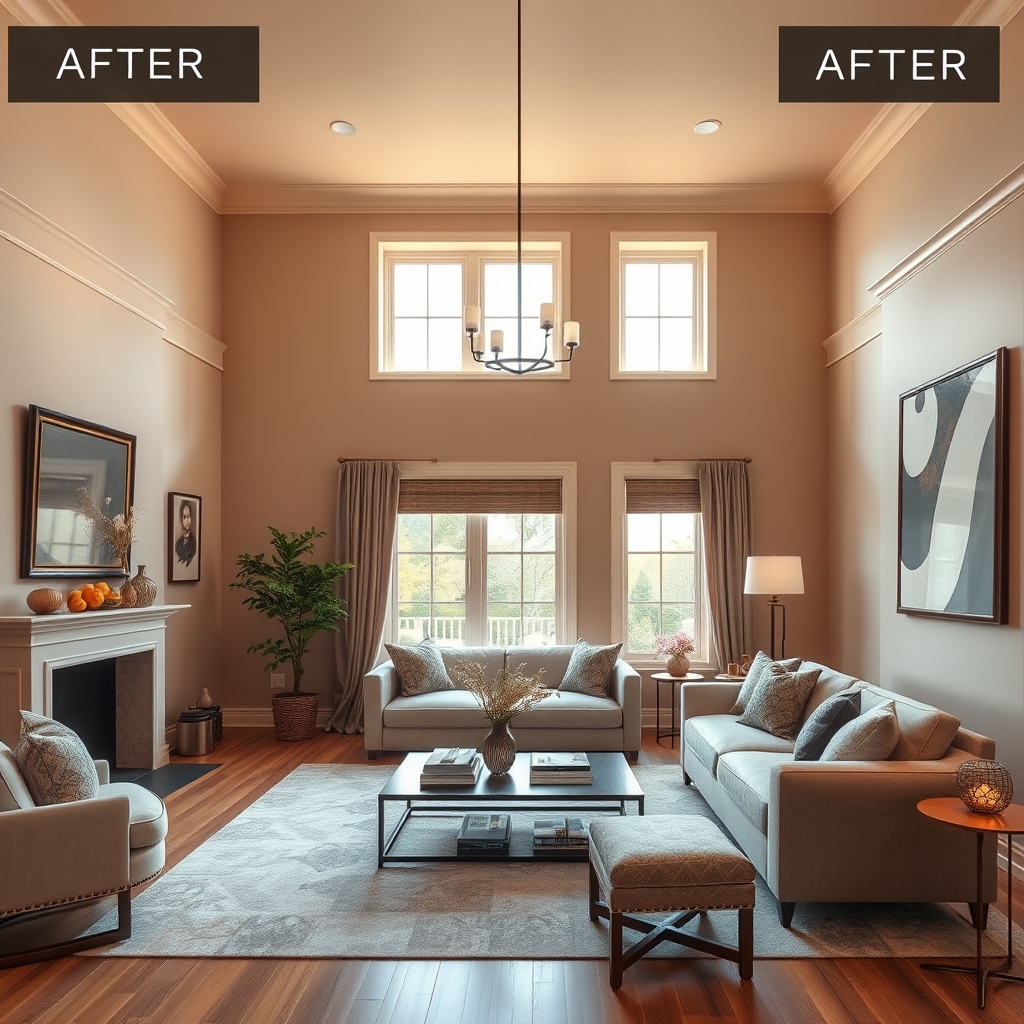
For anyone on the fence, a simple ceiling treatment—sometimes called color capping technique—offers a lower-commitment way to experiment with these effects before tackling the whole room.
Conclusion
A living room color washing technique is more than a passing design trend. It’s a way to create atmospheric, high-impact spaces that feel tactile and deeply personal. With the right prep and a patient hand, anyone can achieve a layered, cocooning look using 2026’s trend color palette—no pro plasterer required. Test, blend, and adjust lighting to see just how versatile (and forgiving) this finish can be.
Ready to transform your living room? Start small on a single wall, or dive into a full-room color wash. Share your questions, and let us know your before and after stories below. For more layered, touchable wall looks, explore our sculpted organic texture bedroom headboard ideas and discover lighting upgrades that will truly bring out your new hues.
FAQ
What’s the difference between color washing and color blocking?
Color washing uses diluted paint or glaze for softly blended, layered effects—there are no hard edges or stark contrasts. Color blocking relies on sharp, defined borders between bold colors, often geometric. Washing gives subtle depth; blocking gives graphic impact.
How much does DIY color washing a living room cost?
You’ll spend $60–$180 on average for a medium living room. This includes paint, glaze additive or water, good brushes, drop cloths, and tape. Premium glazes and high-end paints can bump your budget higher.
Is color washing permanent?
No. It’s reversible with sanding and a couple coats of primer and paint. If you seal the washed walls with polyurethane, it becomes more durable but still paintable in the future.
Can you color wash over textured walls?
Yes, though results will differ. On light orange peel texture, washes settle into the bumps for extra depth. On heavy knockdown or popcorn walls, the effect can look chaotic—smooth walls show the technique best.
What lighting works best for color washed rooms?
Layered lighting—like a mix of modular ceiling lights and cordless shelf lamps—highlights the movement in color washed walls. Overhead-only light can flatten the effect. Consider layered soft ambient schemes for a boutique look even in a living room.