

Table of Contents
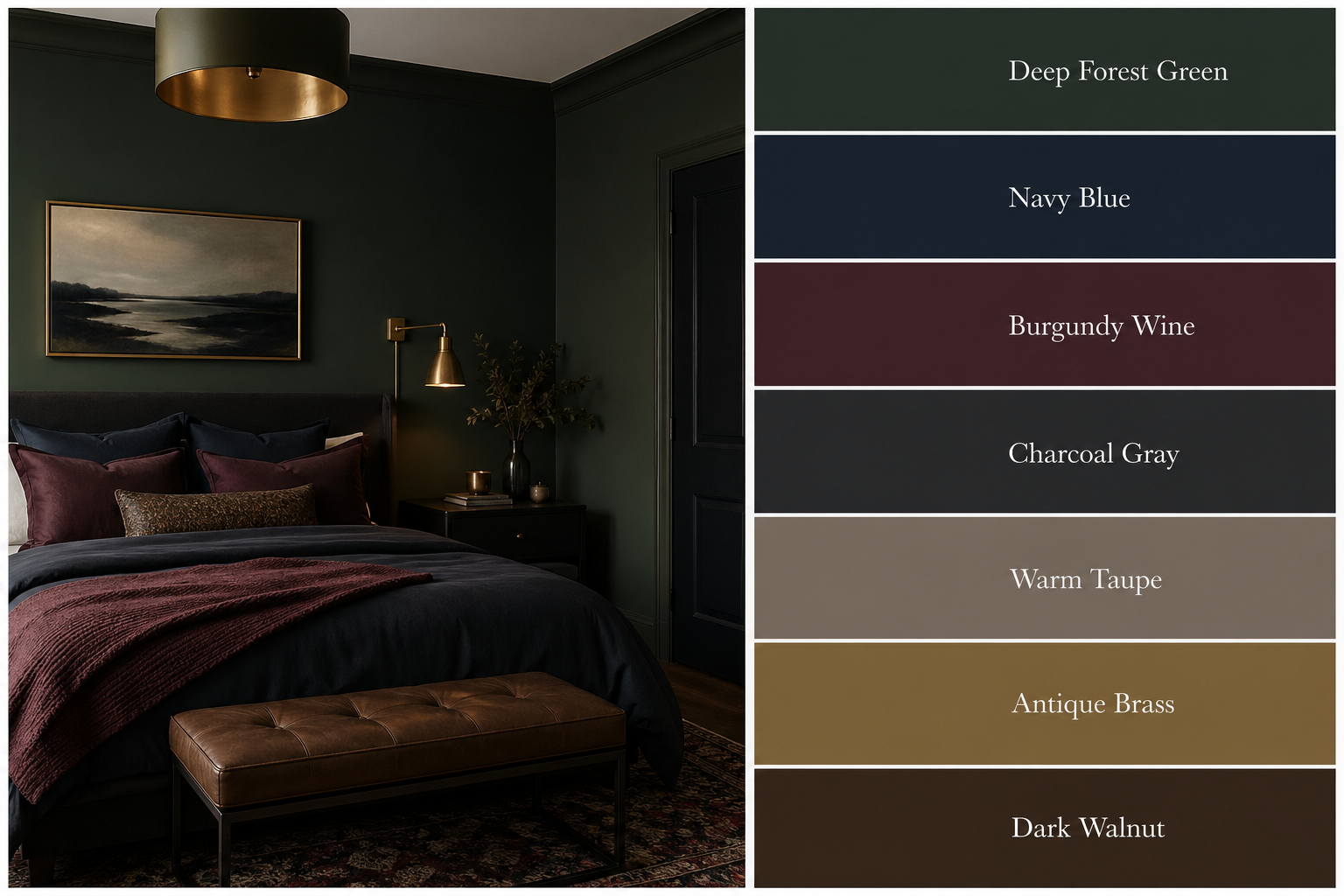
Moody bedroom color palette deep hue choices are transforming bedrooms in 2026, offering rich, cocoon-like spaces that add depth, comfort, and striking character to any home. If you’re considering dark, saturated tones for your bedroom, here’s what you need to know for a result you’ll love long after the paint dries.
Understanding Moody Bedroom Color Palettes with Deep Hues
Moody bedroom color palettes with deep hues are leading interior design trends in 2026. They move away from pale wall colors, instead favoring enveloping tones that encourage rest, privacy, and sophistication. The latest paint industry reports highlight deep greens like Behr’s Hidden Gem, rich blues such as Nocturn Blue, wines including Sherwin-Williams’ Merllo, and warm browns like Bittersweet. While no adoption statistics are available, these shades are repeatedly named in expert roundups and “Color of the Year” announcements.
These palettes are prized for promoting a sense of calm and grounded luxury, ideal for winding down at night. Saturated hues absorb light, softening corners and reducing harsh contrasts—especially effective in bedrooms where tranquility is key. Whether you crave a modern, dramatic look or an earthy escape, deep moody palettes let you create a truly personal retreat.
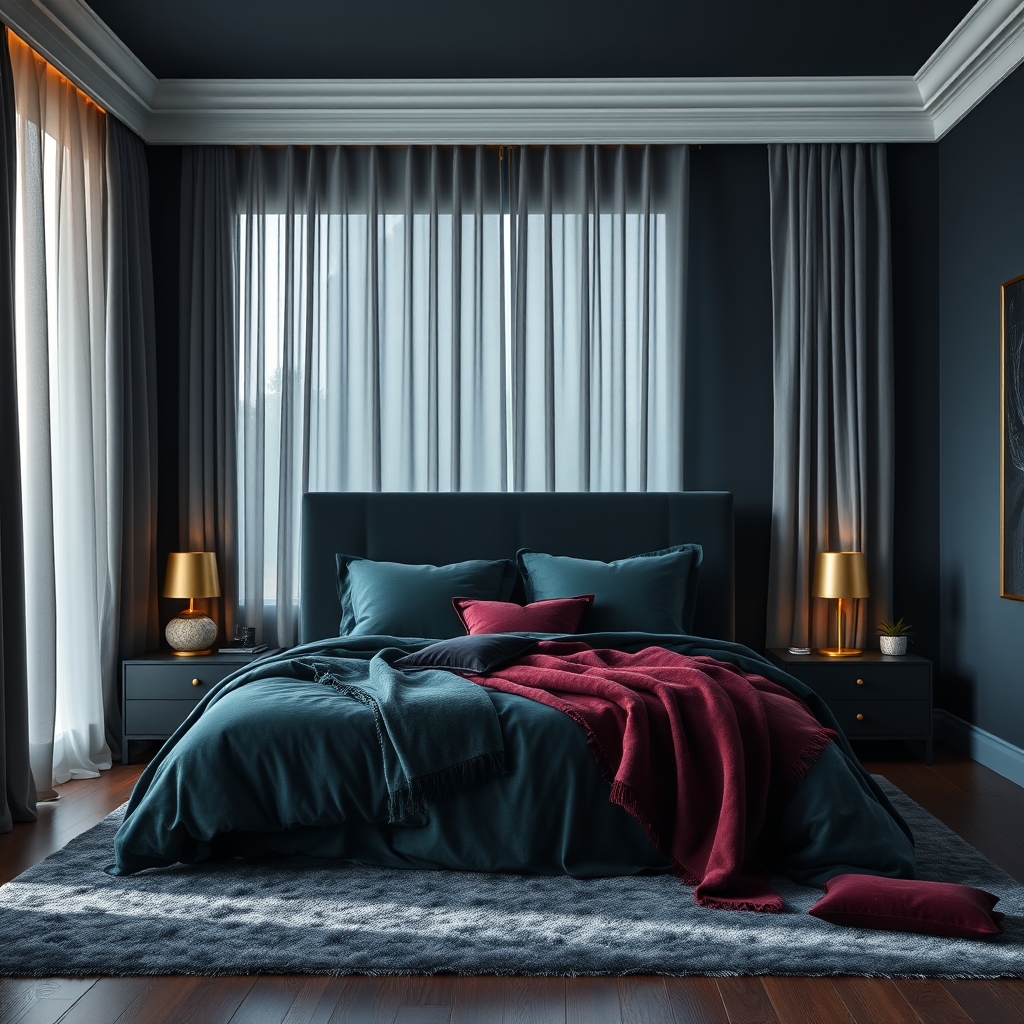
Popular choices for 2026 include:
- Deep greens: Behr’s Hidden Gem, Dunn-Edwards’ Midnight Garden
- Deep blues: Behr’s Nocturn Blue
- Rich wines: Sherwin-Williams’ Merllo, Glidden’s Warm Mahogany
- Warm browns: Benjamin Moore’s Bittersweet
If you enjoy exploring color trends, our best green bedroom paint colors guide dives deeper into selecting restful shades.
Let’s move into how you can create this look step by step—without the regrets homeowners sometimes have after going bold.
Step-by-Step: Achieving a Moody Bedroom With Deep Hues
Transforming your bedroom with a dramatic palette is about more than picking a trendy paint color. Here’s how to get it right for your space and lifestyle:
Choose Your Core Color Wisely
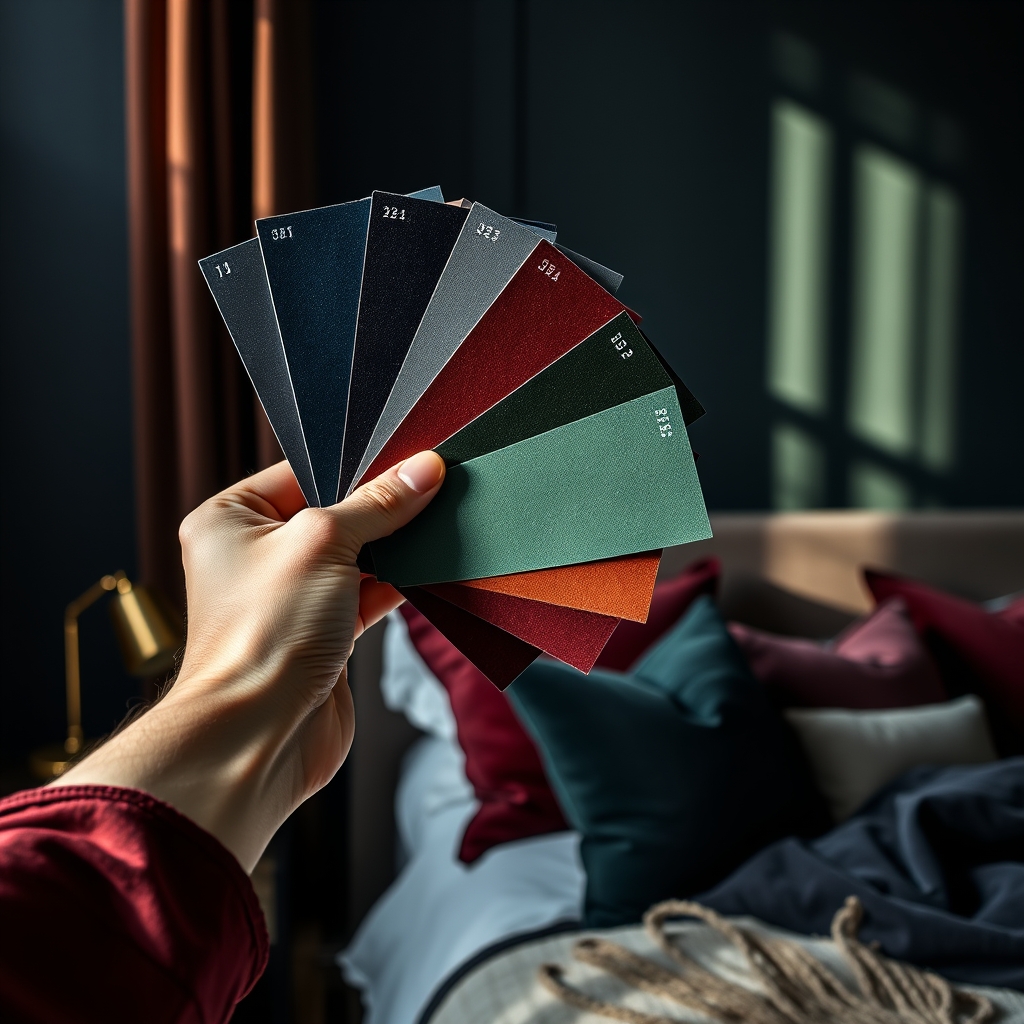
Test deep samples (greens, blues, wines, or browns) in your actual lighting at different times of day. Remember, the color seen in the store often looks darker at home.
Assess Lighting and Room Size
Moody hues absorb light, enhancing coziness in large or bright bedrooms but can overwhelm small, dim rooms. For tighter spaces, balance with more lamps or lighter accents.
Select the Right Finish
While design blogs focus on color, finish matters—matte hides wall flaws but marks easily; eggshell or satin offer easier cleaning; avoid high-gloss, which highlights imperfections.
Design Your Trim and Ceiling Pairings
Contrasting white trim is classic but can look harsh. Try soft warm grays (Sherwin-Williams Rare Gray) or creamy whites (Benjamin Moore Sea Pearl) for effortless transitions.
Layer With Textiles and Lighting
To prevent a cave-like result, layer plush bedding, warm metal lighting, and varied textures. This keeps the space welcoming and dynamic.
Test Before Commitment
Paint a large poster board and move it around your room to see how light changes the color. Commit after living with your shortlist for at least 48 hours.
Explore our in-depth guide on how to paint a room with dark colors for more technique and prep tips.
Looking for design inspiration? Browse bedroom makeover ideas on a budget to see moody color palettes applied in real-world projects.
Advanced Analysis & Common Pitfalls
A moody bedroom color palette with deep hue is dramatic, but it’s not foolproof. Here are pitfalls to watch for—and why previous trend articles missed them:
- Underestimating Light Absorption: Dark colors soak up lighting, so rooms can feel smaller or gloomy if you skip layering in enough lamps or reflective surfaces.
- Poor Paint Selection: Low-quality paints may need extra coats, costing more than anticipated. Inferior finishes are prone to scuffs, making moody walls look tired fast.
- No Cost Comparisons: Paint trend sources rarely mention that labor and prep often cost more for deep hues (due to more coats and better prep work being required), but costs are still comparable to midtier light tones if planned well.
- Lack of Usage Statistics: There’s little published data on how many homeowners sustain satisfaction with dark walls after a year. Most reports focus on positive initial reactions, not long-term happiness or resale impacts.
Let’s compare the leading moody shades in bedrooms:
| Shade | Pros | Cons |
|---|---|---|
| Deep Olive | Calm, timeless, sharpens focus, absorbs light for a cozy effect. (See source) |
Can look too dark in small, low-lit rooms. |
| Midnight Blue | Elegant drama, serene in low light, not oppressive. | May feel heavy without warm accents or enough light. |
| Burgundy | Cozy, brings warmth, great for relaxation and sleep. (See source) |
Can feel oddly energetic if you pair with bright oranges. |
| Warm Deep Brown | Grounding, pairs well with natural wood and leather for a cocoon feel. | Makes very small rooms appear smaller under weak lighting. |
Ready to coordinate colors beyond the walls? Experts suggest:
- For deep green or brown, pair with rich woods, aged metals, or subtle gold accents for warmth and dimension. See our post on modern bedroom wall color ideas for more pairing options.
- To add balance, use off-whites (like Benjamin Moore Sea Pearl), soft grays (Sherwin-Williams Rare Gray), or beige-cream for trims and ceilings.
- Embrace analogous shades (blue, green, teal) for bedding, curtains, or rugs with burgundy walls. Avoid high-energy accent colors like orange.
- Want an understated look? Try “drenching” your room—painting trim, ceiling, and walls the same deep color but varying the finish for visual interest.
For more tips, see the linked guide on bedroom color schemes for every style.
Conclusion
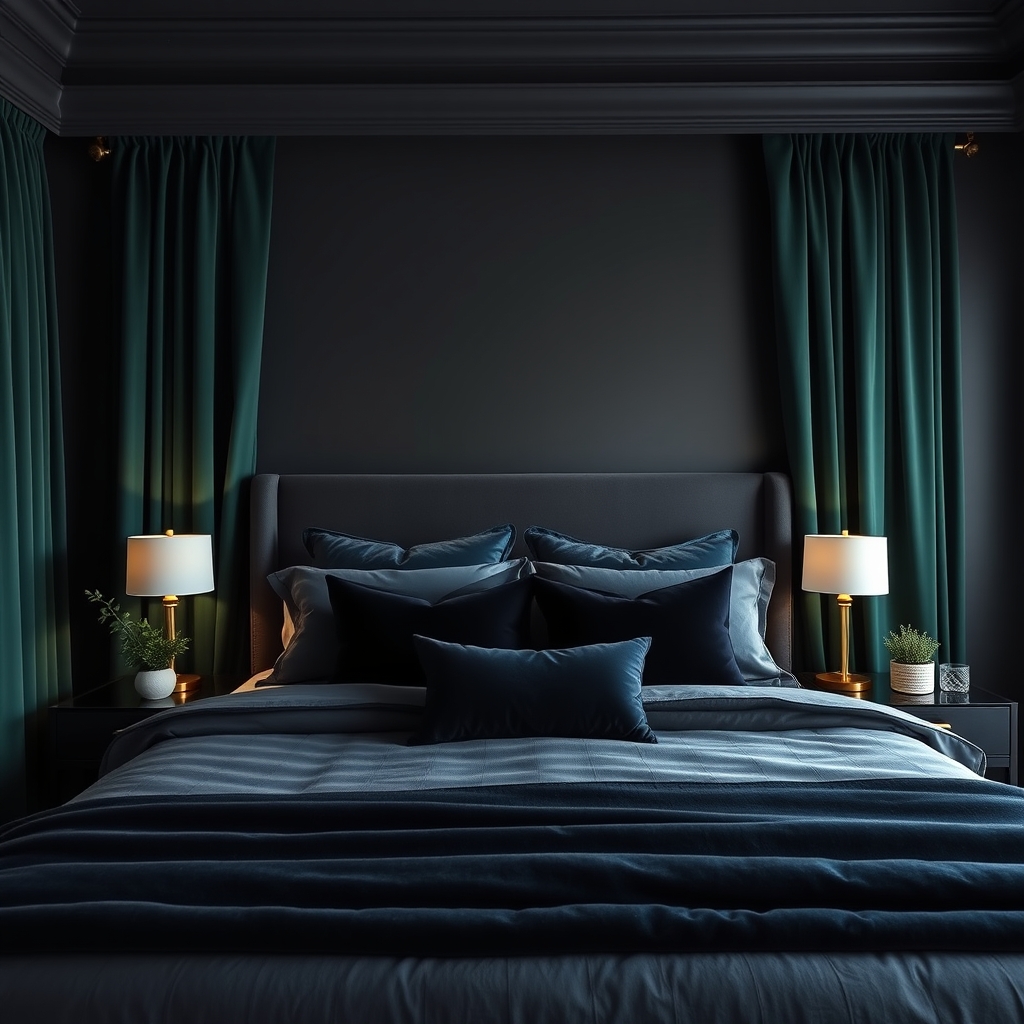
Moody bedroom color palette deep hue trends deliver a dramatic, timeless look and cozy retreat. While they require thoughtful planning—especially regarding lighting, paint quality, and smart trim-accent choices—the rewards in mood and personal style are clear. Start small, test in real light, and don’t hesitate to personalize accents for a space that feels both comforting and bold.
Feeling inspired? Dive into our curated picks for best bedroom accent wall ideas or check out the latest paint trends to plan your makeover today.
Frequently Asked Questions
What colors work best for a moody bedroom color palette with deep hues?
Deep greens, navy blues, rich wines, and warm browns are the top choices in 2026. These colors evoke calm, coziness, and a sense of grounding, especially when balanced with soft neutrals and layered textures.
Will dark bedroom walls make my space feel smaller?
Dark, saturated walls absorb light and can visually shrink a room, especially if it’s small and underlit. However, when paired with strategic lighting and lighter trim or bedding, they create a cozy, inviting effect without feeling cramped.
How do I pick trim and accent colors for deep-hued bedrooms?
Use soft off-whites, warm grays, or even color-drenched trim for subtle transitions. Complement deep wall colors with warm metallics or natural woods—this avoids harsh contrasts and keeps the room harmonious.
Do I need special paint for dark bedroom walls?
High-quality paint with good coverage is crucial for moody palettes. Deep hues often benefit from a tinted primer, which ensures even color and reduces the total number of coats required.
Are moody bedroom color palettes easy to maintain?
Dark walls can show dust, fingerprints, or scratches more than lighter tones. Choose a washable, eggshell or satin finish for durability and easy cleaning, especially in bedrooms with children or pets.