

Table of Contents
### Blog Post:
Acoustic office pod solutions are rapidly transforming how remote workers and parents carve out quiet, focused workspaces at home—even in noisy or shared environments. Whether you’re considering a DIY pod, a flat-pack phone booth, or a premium prefab sanctuary, there’s more to know than glossy marketing suggests. Here’s exactly how acoustic office pods work, what they solve, and what you must watch out for before you invest.
What Is an Acoustic Office Pod and Why Use One?
An acoustic office pod is a self-contained, sound-insulating booth that creates a private environment for focused work, calls, or meetings, right inside your home. Pods range from DIY desk enclosures to premium, prefab “cabins” with their own lighting and ventilation. The goal: block out household noise (TVs, children, conversations), improve call quality, and define boundaries for work or deep focus—without the expense or hassle of building walls.
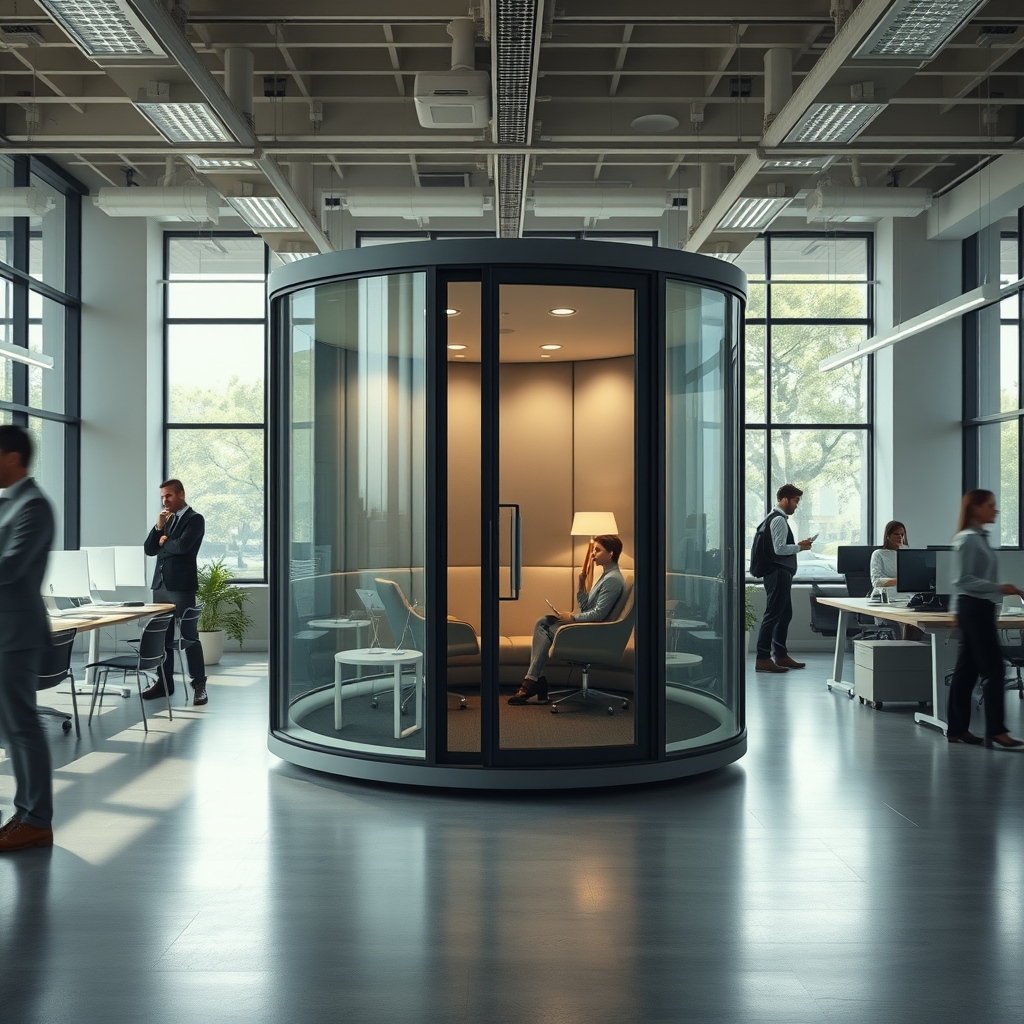
Why now? With the surge in remote and hybrid work, global demand for privacy pods is climbing fast—worth $0.46–0.52 billion in 2024 and forecasted to reach $1.33 billion by 2034 (PrivacyPod.ai, Fortune Business Insights). Even one-person “phone booth” pods are linked to reducing stress and friction in busy, multi-user households. Pods don’t just offer peace and quiet—they help enforce work-life boundaries when home chaos is unavoidable.
But not all pods are created equal. Noise reduction levels, comfort, cost, and setup time range widely. That’s why knowing how they actually work—plus real user pain points—is crucial before buying or building one.
Step-by-Step Guide: How to Add an Acoustic Office Pod at Home
Here’s a proven, realistic approach to selecting and setting up an acoustic office pod for home use:
- Define your noise problem and specific needs.
- Are you battling TV, music, or mostly kid noise? Is your priority video call privacy or silent deep work?
- Measure your available space (including ceiling height).
- Assess floor strength if considering a heavy prefab pod on an upper story.
- Choose your pod type.
- DIY and desk canopies: Quick to set up and relocate, offer 8–15 dB noise drop (enough for masking TV or mild conversation, weaker for loud play).
- Flat-pack or entry-level phone booths: 15–25 dB reduction in real homes, assembly takes 3–6 hours for two people. Best for regular video calls in a shared environment.
- Premium prefab pods: Offer 30–35 dB isolation (lab-tested); block most intelligible speech and routine noise. More costly (USD 7,000–15,000+), often need professional install. See our breakdown in the analysis below.
- Pre-plan your location and logistics.
- Check if the pod can fit through your doors and halls—most 1–2 person pods need minimum clearances of 1.1–1.3m width and 2.1–2.3m height.
- Don’t block fire exits or hallways (especially in rentals or small apartments).
- If possible, locate near a window or HVAC vent for easier airflow.
- Prepare power and lighting.
- Most pods use low-power LEDs and fans (plug and play), but larger models may require new outlets.
- For a moodier pod look or to improve comfort/energy, check guides like battery powered table lamp living room or modular ceiling light living room for layering lighting zones.
- Consider ergonomics and comfort add-ons immediately.
- Many pods ship with stiff stools or fixed counters. Swap in your own ergonomic mesh chair or add a standing desk converter for healthier work sessions.
- Add anti-fatigue mats; layered portable lighting improves ambiance and energy.
- Plan for ventilation and maintenance.
- Keep extra fan or air purifier filters on hand for quarterly replacement (often missed).
- If using kids’ spaces, make sure outlets are child-safe and locks can’t trap anyone inside.
- Schedule “test runs” before committing devices, meetings, or full days in the pod.
- Work for an hour, then evaluate—light, heat, airflow, chair, outlets, noise before and after. Adjust as needed.
Don’t just rely on manufacturer dB ratings. Do a quick sound test before assembly: use a decibel meter app to measure household noise where the pod will sit. After assembly, recheck the inside/outside dB during peak chaos. This gives you a true performance benchmark before reconfiguring your setup or requesting returns/reworks.
For cheaper, smaller spaces or rentals, use portable, collapsible canopies or combine bookcases with heavy curtains to create a “soft pod.” Add thick rugs and door seals in surrounding rooms for extra noise-damping. Move the pod’s microphone closer to your mouth and use background noise cancellation for video calls—often, this combo beats more costly upgrades.
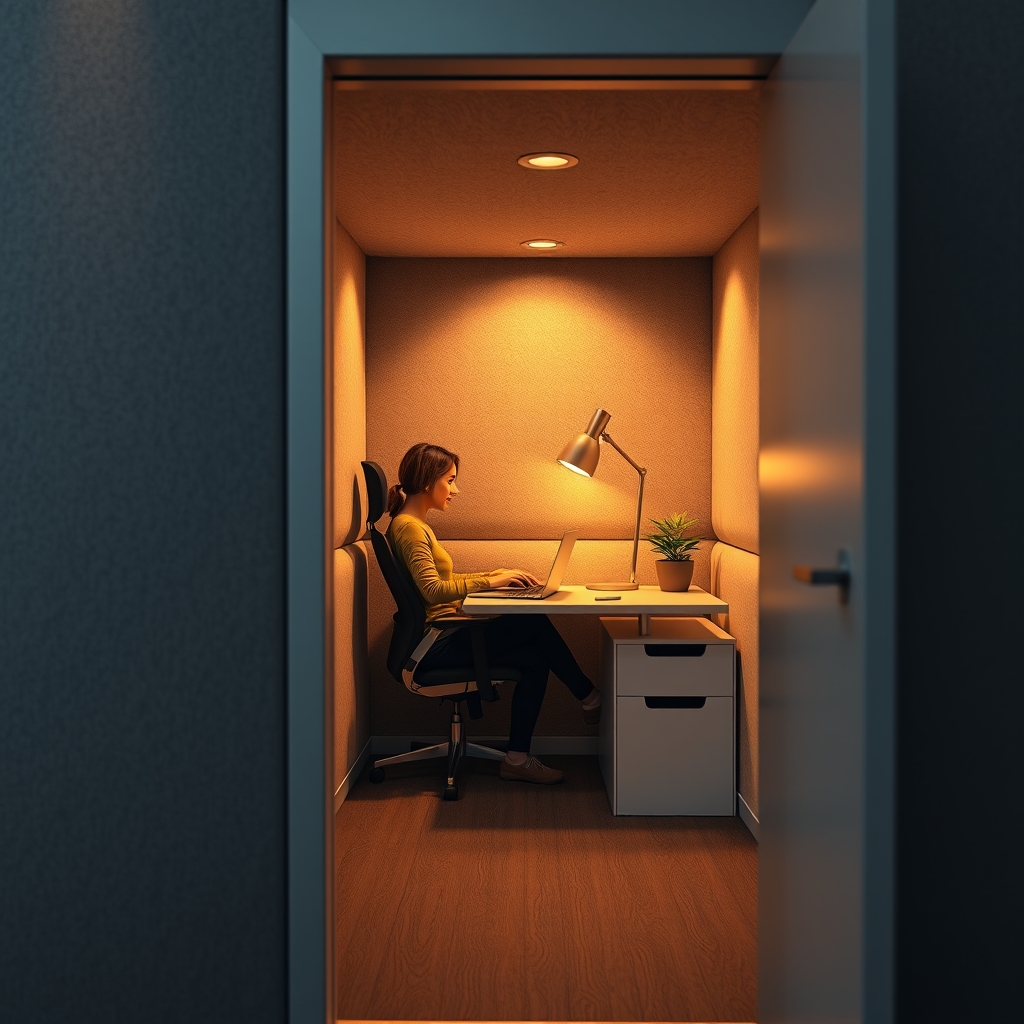
Want to maximize every inch? Multipurpose pods that transform for guest sleeping or link with modular shelves are emerging—see our murphy bed desk combo and modular wall shelves resources for inspiration.
Advanced Analysis & Common Pitfalls
Even with careful planning, users regularly hit these snags—especially with home installs and multi-person households. Below, we break down typical traps and what you can really expect.
Common Pitfalls (and Workarounds)
| Area | Pitfall | What to Expect | Workarounds or Reality-Checks |
|---|---|---|---|
| Noise Reduction | Expecting “recording studio” silence | Premium pods rated for 30–35 dB isolation often cut household speech to a murmur, but crying, low-frequency impacts, and shrieks may still get through. DIY/light booths do less: 8–20 dB drop. | Set expectations: strong privacy for work/calls, not true silence. Layer rugs, door seals, or white noise outside for further improvement. |
| Ventilation & Air Quality | Stuffy, hot, or stale after 15–30 minutes | Many fans are noisy (30–40 dBA). Some pods just recirculate air, leading to CO₂ headaches. | Keep doors ajar between sessions, avoid long calls back-to-back, change filters, and upgrade fans if possible. |
| Installation | Heavy, awkward, challenging for small homes | Pods weigh 200–500+ kg, often require stairs/narrow passages. Assembly needs at least 2–3 people and is 3–6 hours (or costly pro service). | Measure everything; consider flat-pack or semi-DIY for small apartments or future moves. |
| Ergonomics | Cramped, fixed counters, stiff stools | Pods under 1m² inside may not fit an ergonomic chair and monitor. Fixed desks rarely suit tall users; built-in stools are uncomfortable for long periods. | Replace seating, add your own desk riser, or choose a model with adjustable/interchangeable furniture. |
| Maintenance | Dust, filter changes, wear | Vent grilles and acoustic fabrics collect dust. Filters ignored lead to poor air quality. Hinges, seals, or lights may fail in months/years. | Set reminders for filter swaps, clean vents monthly, and plan for spot repairs. Avoid moving pods often. |
| Safety & Compliance | Fire, egress, and electrical code confusion | Non-flame-resistant fabrics, blocked exits, or overloaded power can be risky. Most pods are safe but mistakes happen. | Stick to UL/CE products, check for easy interior door release, avoid blocking main home exits, have an electrician review setups if wiring anything besides plug-and-play. |
Other Overlooked Issues
- Aesthetics: Many pods are “office-looking” and can feel out of place at home. Consider finishes, colors, and integration with your decor; check trends like color drenching or painted ceiling ideas for inspiration.
- Moving/Modularity: Most pods are not trivial to move. For renters or those likely to change homes, opt for flat-pack or modular options.
- Price Surprise: Installation, delivery, and maintenance commonly add $500–$2,000 to listed prices, especially via online channels (Research Reports World).
- Family Schedules: Few pods offer shared scheduling, “parent in use” indicators, or kidsafe access. Workflow conflict is common unless planned for.
Conclusion
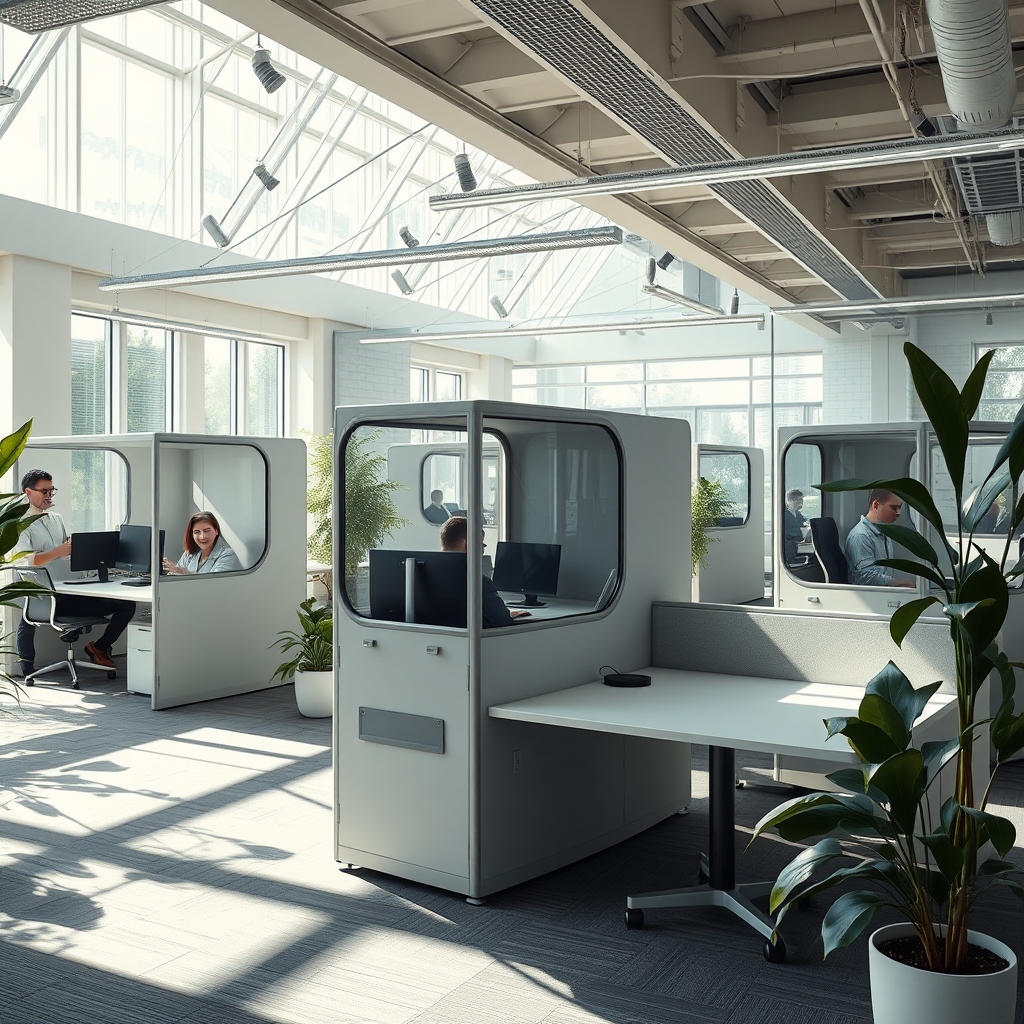
An acoustic office pod is a powerful tool for reclaiming focus and calm in today’s noisy homes—especially for parents and remote workers. But you need to go in with realistic expectations about noise reduction, ventilation, setup, and ongoing costs. Take time to plan location, ergonomics, and airflow, and set up maintenance reminders. If you’re short on space or budget, combine pods with add-ons like corner office desk storage or expandable bookshelf. Ready to claim your quiet for work and well-being? Start your acoustic office pod project today.
Frequently Asked Questions
How much real noise does an acoustic office pod block at home?
Premium office pods tested in labs can block 30–35 dB, but at home expect more like a 15–25 dB reduction in practice—enough to muffle speech and TV but not completely block loud crying or heavy impacts.
Can I install a pod in an apartment or rental?
Yes, but check ceiling heights, doorway widths, and whether you might need landlord approval. Go for modular or flat-pack designs for easy removal, and avoid blocking exits. Pods are bulky and often heavy, so plan carefully.
What are the biggest downsides or complaints from home pod users?
The main negatives are stuffiness from limited airflow, assembly hassles, and pods not living up to full “soundproofing” claims. Maintenance like cleaning filters and fixing sagging doors is also common. Ergonomics can be poor if you settle for the included stool or fixed counter.
Are DIY soundproof booths worth it compared to ready-made pods?
DIY booths can be much cheaper (under $1,500) and are easier to move but only cut noise by 8–15 dB. Good if your noise problem is mild. Premium prefab pods cost more but deliver noticeably better acoustic separation and comfort.
Do acoustic pods help parents with work-life boundaries?
Yes, user reviews confirm that pods provide a visual and acoustic “do not disturb” zone, helping kids and adults respect work time and improving both focus and family calm. Just don’t expect miracles—occasional interruption and some carryover noise are normal.
—
### Products to Insert
**Product 1:**
* Product Idea: Handheld Digital Decibel Meter (Sound Level Meter)
* Amazon Affiliate Link: https://www.amazon.com/s?k=Handheld+Digital+Decibel+Meter+(Sound+Level+Meter)&tag=spacesoluti0b-20
* Insertion Keyword Phrase: decibel meter app
**Product 2:**
* Product Idea: True HEPA Air Purifier for Small Rooms (Replaceable Filters)
* Amazon Affiliate Link: https://www.amazon.com/s?k=True+HEPA+Air+Purifier+for+Small+Rooms+(Replaceable+Filters)&tag=spacesoluti0b-20
* Insertion Keyword Phrase: air purifier filters
**Product 3:**
* Product Idea: Quiet Inline Duct Fan / Ventilation Booster (Low dBA)
* Amazon Affiliate Link: https://www.amazon.com/s?k=Quiet+Inline+Duct+Fan+/+Ventilation+Booster+(Low+dBA)&tag=spacesoluti0b-20
* Insertion Keyword Phrase: upgrade fans
**Product 4:**
* Product Idea: Ergonomic Mesh Office Chair with Lumbar Support
* Amazon Affiliate Link: https://www.amazon.com/s?k=Ergonomic+Mesh+Office+Chair+with+Lumbar+Support&tag=spacesoluti0b-20
* Insertion Keyword Phrase: ergonomic mesh chair
**Product 5:**
* Product Idea: Adjustable Standing Desk Converter (Desktop Riser)
* Amazon Affiliate Link: https://www.amazon.com/s?k=Adjustable+Standing+Desk+Converter+(Desktop+Riser)&tag=spacesoluti0b-20
* Insertion Keyword Phrase: standing desk converter