


Table of Contents
Modular bookcase system solutions are redefining how we organize and display books and decor at home. If you’re frustrated with furniture that can’t adapt as your needs change, this guide cuts through the hype to show you the practical realities and step-by-step tactics for customizing your shelving—minus costly surprises or regretful buys.
The Core Concept: What Makes a Modular Bookcase System Work
Modular bookcase systems are shelving solutions made up of interchangeable units or sections. You can add, remove, or rearrange shelves and vertical supports as your needs change—making them ideal for growing book collections, mixed storage (think baskets, decor, even tech), or just maximizing an awkward corner.
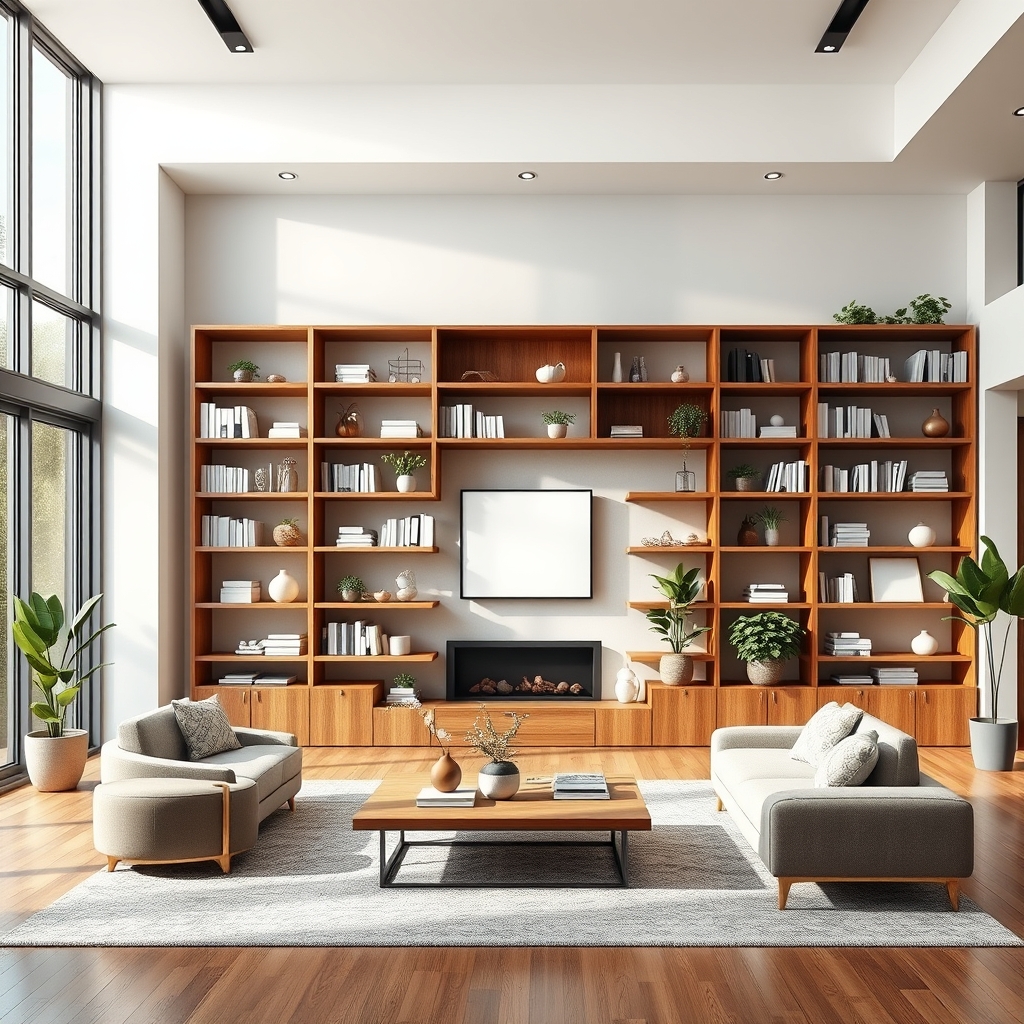
Unlike traditional one-piece bookcases, a modular system is often shipped flat-packed and gets assembled at home. Many systems let you tweak shelf width, add-on extra sections, or even split configurations—for example, switching from one tall bookcase to two low credenzas.
The demand for these flexible setups is huge. The global modular furniture market reached USD 73.3 billion in 2024 and continues to rise, especially with more remote and hybrid workplaces needing home office storage. Customers love being able to adjust storage—and take it with them if they move.
For renters, modular bookcase systems provide an answer to limited wall outlets and lease restrictions that ban built-ins or drilling. Want more rental-friendly options? See our battery powered table lamp living room guide for similar flexible design moves.
Step-by-Step Guide: Getting Your First Modular Bookcase Right
- Start with Accurate Measurements.
Map out the wall, corner, or alcove where you want to place your bookcase. Note the ceiling height, available width, and any baseboard moldings or sockets that might interfere. - Identify What You Need to Store—Now and Later.
List your book sizes, baskets, media, display pieces, and anything you want on the shelves. Think beyond just books—do you want to show off art, or need bins for office supplies? - Choose Materials and Finishes Carefully.
Options commonly include solid wood, engineered wood, metal, and laminates. Wood offers a classic feel but may be heavier and pricier. Metal is more industrial but lighter. Don’t forget durability and how it matches your other furniture. - Compare Systems’ Expandability and Configuration Options.
Check if the brand offers add-on sections, various heights, or corner units. Can shelves be moved in small increments, or are they fixed? Note: Online listings often gloss over these nuances, so look for product diagrams or ask the manufacturer direct questions. - Plan for Assembly.
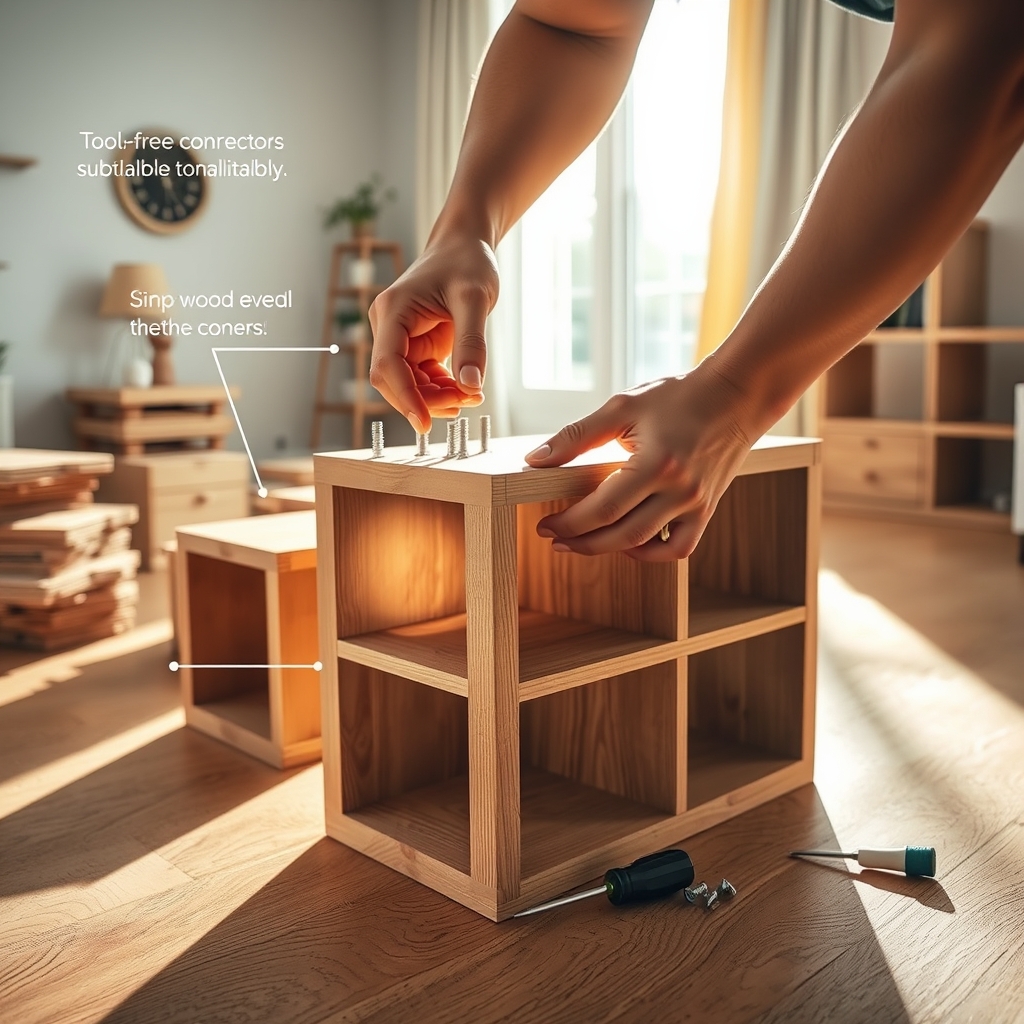
Most modular systems require home assembly. Watch out for unclear instructions, missing parts, or the need for extra tools. Some brands now offer tool-free assembly—if that’s non-negotiable, ask before you order. - Think Through Weight Distribution and Stability.
Avoid stacking heavy books on top shelves or overloading one side. Some units require wall-anchoring for safety—check your lease or wall type before drilling. - Place the Order and Schedule Setup.
Order all desired components in one go to avoid mismatch in finishes. Allow for buffer time—shipping delays or missing pieces are common.
If you need ideas for small or changing layouts, modular systems pair seamlessly with modular kitchen cabinet systems for a full home reconfiguration. You can even blend shelving with integrated lighting by checking out reconfigurable modular lighting systems to brighten shelves or highlight design objects.
Looking to keep clutter at bay with a more multi-purpose furniture approach? Consider storage innovations like lift-up storage beds—another modular solution for small-space dwellers.
Advanced Analysis & Common Pitfalls: What No One Tells You
While modular bookcase systems promise adaptability, real-world experience shows there are trade-offs. Here’s how to sidestep the most common problems based on recent industry research and practical user reports.
Common Pitfalls and How to Avoid Them
- Stability can be an issue—especially on taller, narrower units or on carpets. Not all systems come with anti-tip brackets. Always use safety anchors if kids or pets are around.
- Assembly can get complicated. Flat-pack instructions are often vague, hardware packs may miss a few screws, and some shelves require tools you may not already own. Factor setup time into your plan—expect 2-4 hours, or more for larger units.
- Long-term flexibility varies. Some brands’ add-on sections are discontinued unexpectedly, making future expansion hard. Before you invest, check whether the manufacturer is established and has a track record of supporting past models.
- Cost can add up. While buying individual modules promises savings, additional connectors, feet, or specialty shelves often cost extra. With frequent expansions, DIY modular can eventually outprice a standard bookshelf.
- Finish and color match issues. Manufacturing batches may result in subtle color differences when you add on to an existing system years later. This is rarely mentioned in product listings.
Material and Weight Capacity Comparison: What’s Typically Available
| Material Type | Expandability | Weight Capacity (per shelf) | Durability | Expected Price Range (USD) |
|---|---|---|---|---|
| Solid Wood (oak, maple, beech) | High | 15–30 kg | High, resists sagging | $150–$600 per section |
| Veneered Particleboard or MDF | Medium–High | 8–15 kg | Good if not moved often | $70–$250 per section |
| Metal (steel, aluminum) | High (most modular options) | 10–20 kg | Very high, dent-resistant | $90–$400 per section |
| Plastic/Composite | Low–Medium | 5–10 kg | Less sturdy, best for light storage | $40–$130 per section |
Note: Technical specs vary by brand. Always check official product literature or request specifics, especially for weight capacity. See the latest market growth figures on modular storage systems for more context.
Are Tool-Free and Eco-Friendly Modular Systems Worth It?
Recent trends highlight customer demand for easier assembly and sustainable materials. However, most 2024 modular bookcase systems still rely on traditional hardware—tool-free and eco-certified models exist, but choice is limited outside high-end brands. Always verify claims and certifications before purchase. If tool-free setup is critical, clarify up front—don’t trust marketing images alone.
Buying for a home office or remote work zone? Consider designs that blend with murphy bed-desk combos or even contemporary compact expandable tables for dynamic, multi-use living.
Data shows the modular shelving and bookcase market will keep growing, with Europe and Asia-Pacific leading expansion (source). Online stores carry the fastest-growing product selection.
Conclusion: Smarter Decisions for Flexible Storage
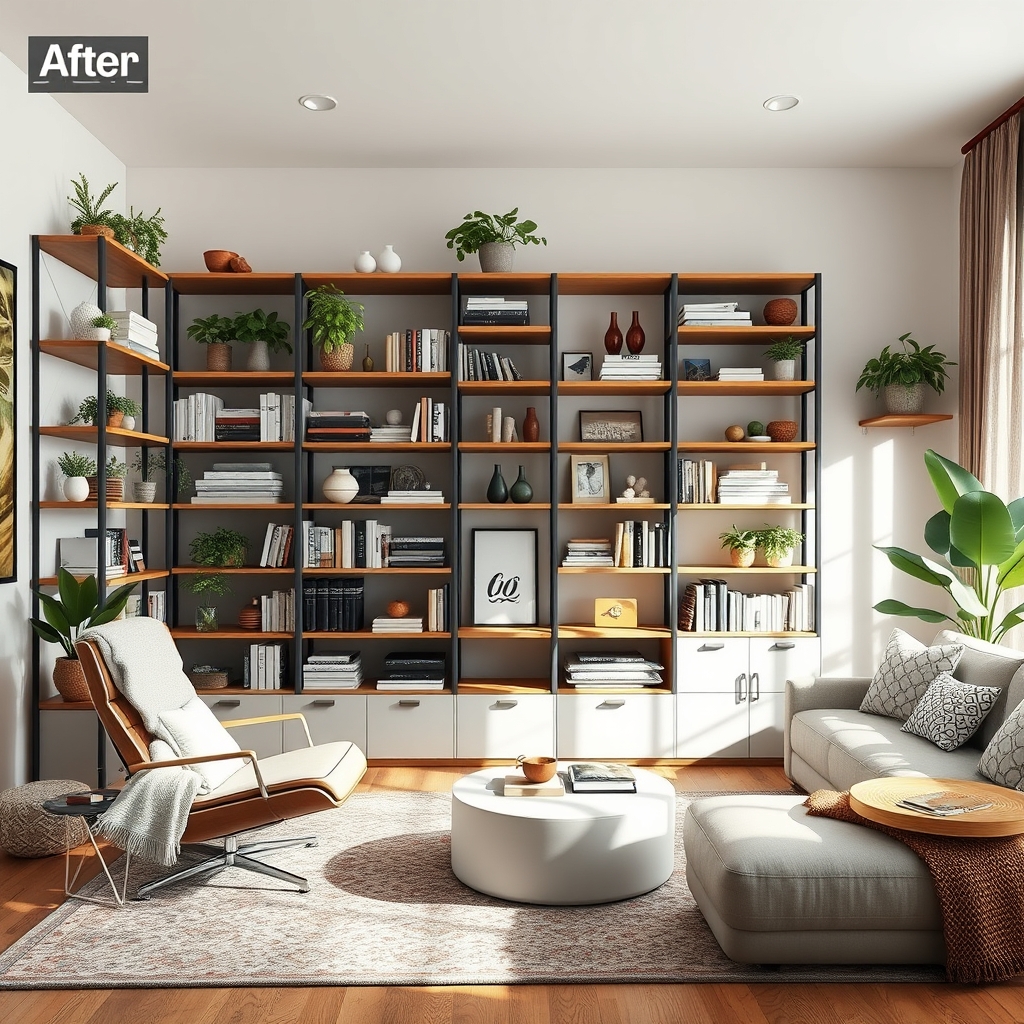
Choosing a modular bookcase system is one of the most future-proof ways to stay organized in modern homes, whether you’re seeking versatility for shifting needs, or want a solution that grows with your book collection and living arrangements. Pay close attention to assembly demands, long-term expandability, and actual costs—not just up-front price tags or slick images.
Ready to take control over your storage? Shop, compare conservatively, and always read the fine print before clicking “buy.” Build your own modular system now—and update your space as your life changes.
FAQ
Are modular bookcase systems truly easier to move and reconfigure?
Yes, compared to fixed furniture, modular systems are generally lighter and break down into sections, making moves easier. But assembly/disassembly still takes time and care, especially with heavy wood panels. Expect some effort with reconfiguration.
What’s the typical lifespan of a modular bookcase system?
Many quality modular shelves last 10+ years, depending on material, use, and how often they’re relocated or reconfigured. Cheaper composite or plastic models may show wear far sooner, especially if loaded heavily.
Can I mix modular bookcase sections from different brands?
This is rarely successful, as connector systems, shelf thicknesses, and finishes don’t match. Stick to one brand or product line for seamless expansion.
Are custom colors and sizes available?
Some premium brands offer custom sizes and finishes. Mainstream options typically stick to standard modules and a limited range of colors. Always check current availability before planning for unique spaces.
Is DIY building cheaper than pre-assembled expandable bookshelves long-term?
Not always. DIY modular lets you buy only what you need, but as you expand, the cost of add-ons (plus tools or accessories) can exceed a pre-assembled bookcase—especially if you want matching finishes. Factor in your time for assembly and possible compatibility problems with discontinued lines.