

Table of Contents
Curved sectional sofa designs have exploded in popularity, but most people don’t realize what actually makes them practical (or not) in real homes. If you’re considering adding a curved sectional to your living room, here’s everything you need to know—from market stats and style trends to real-world headaches and installation tips that the product pages won’t tell you.
1. The Core Concept: What Is a Curved Sectional Sofa & Why the Surge?
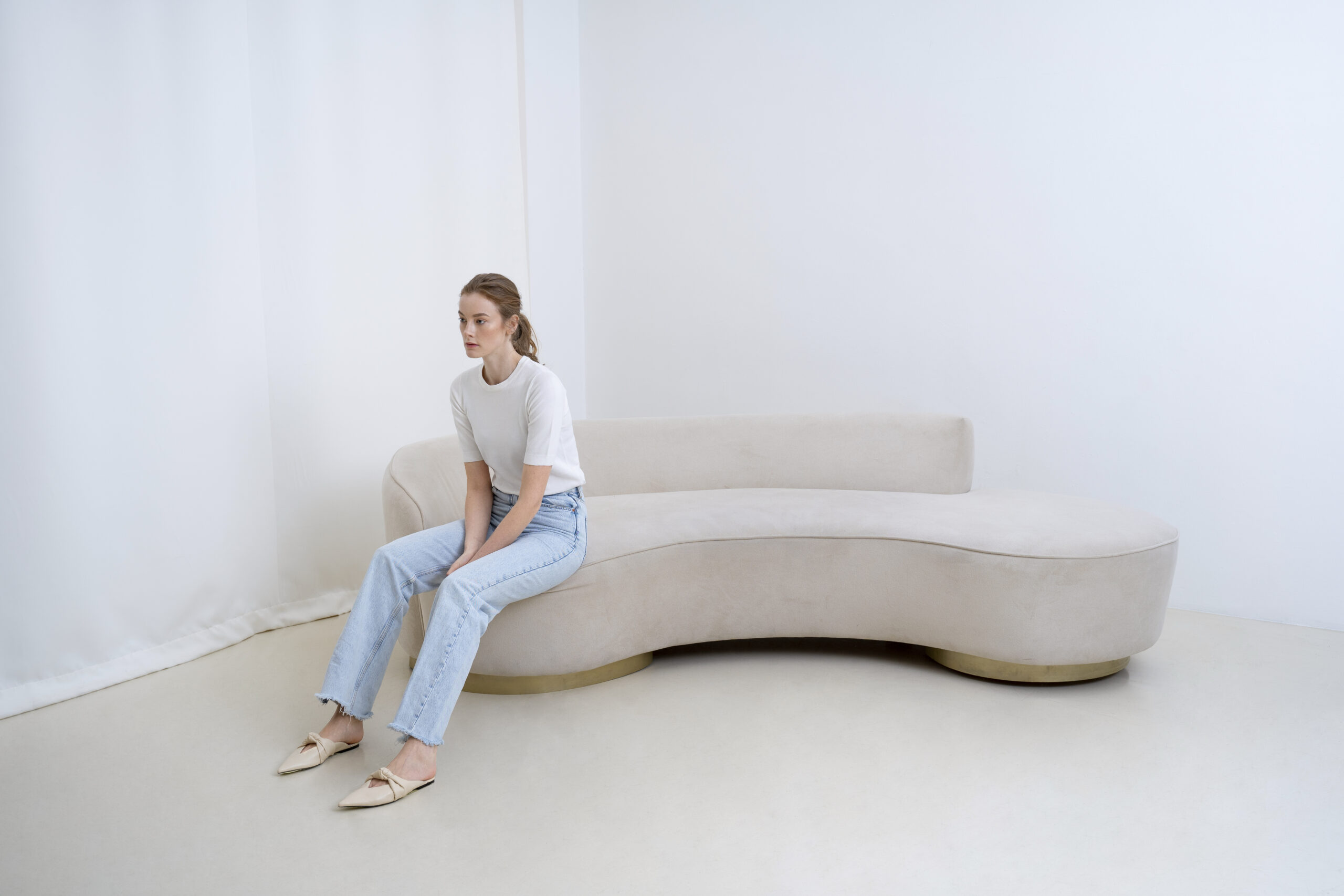
A curved sectional sofa is a multi-seat piece with an arched or semicircular shape that creates a more enveloping seating area. Unlike straight or L-shaped sofas, curved sectionals prioritize conversation, soften hard lines in large rooms, and act as sculptural centerpieces.
Recent research shows these sofas are trending up rapidly. The curved and semicircular sofa segment is expected to outpace the general sectional market over the next decade, with CAGR projections between 5.1% and 7.1% through 2034. They are especially prized in high-end apartments, open-concept homes, and boutique hospitality. Materials like velvet and bouclé, along with bolder colors (emerald, earthy tones, deep neutrals), set them apart in 2024—2025 collections.
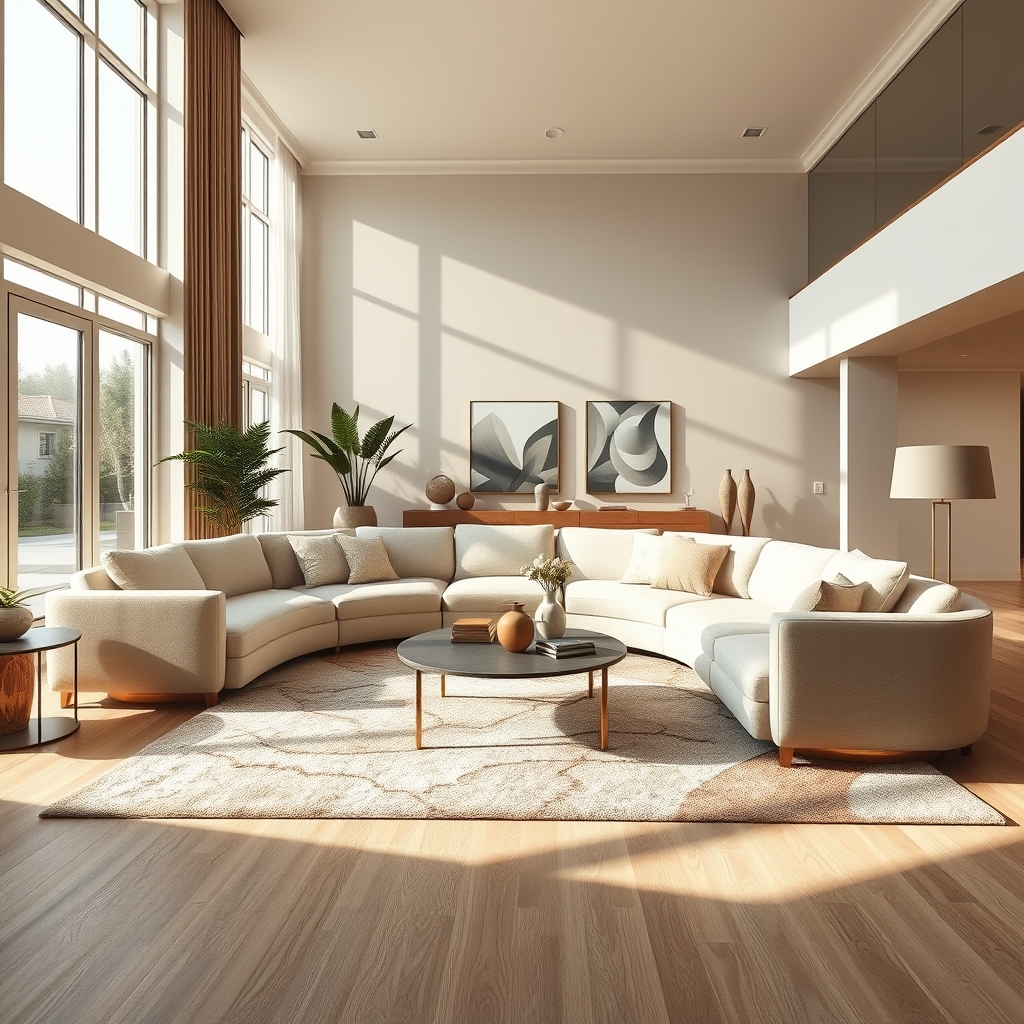
Why now? Three factors: renewed interest in “conversation pits” and sociable living rooms, a surge in bold sculptural design, and a drive toward wellness-minded, less angular spaces. Urban homes and creative offices use curved sectionals to break up boxy architecture. However, all these benefits come with real-life tradeoffs.
2. Step-by-Step Guide: How to Choose and Plan the Right Curved Sectional Sofa
Selecting a curved sectional is more complicated than picking a straight or L-shaped one. Use these steps for a pain-free process:
- Measure Your Room Realistically
Don’t just use the manufacturer’s “overall width.” Mark out depth at the deepest point, the distance from the wall to the curve’s outermost seat, and clearance for walkways—ideally at least 30 inches (76 cm). In compact spaces, a curved sofa can take up more floor than you think, so verify with a template before you commit. - Clarify Usage: TV, Conversation, or Both?
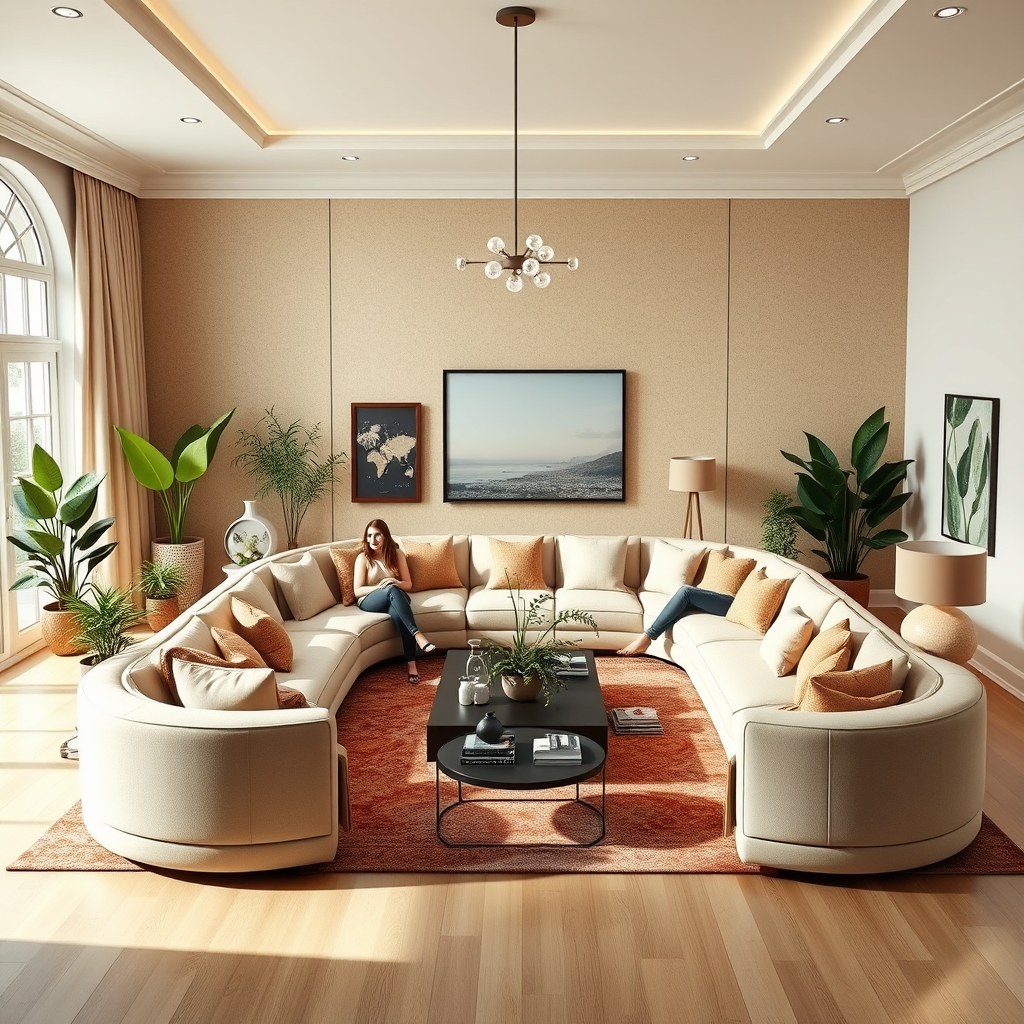
Curved sectionals place only 1—2 seats directly in front of the TV. If movie nights matter, look for models with attachable chaises or paired ottomans. For group gatherings or cocktail parties, opt for larger arcs or semicircular builds that favor face-to-face interaction. - Choose Your Material Wisely
Fabric (especially velvet and bouclé) dominates the current trend, but each has pros and cons. Performance fabrics resist stains and abrasion; velvet is plush but attracts pet hair and dust. Bouclé is cozy but can trap crumbs. For households with kids or pets, check cleaning codes (W/WS for easy maintenance). - Plan for Delivery
Measure doors, elevators, and stairwells. Curved sectionals—especially in 1—2 pieces—can be impossible to maneuver in apartments or older houses. Modular options dramatically reduce risk and cost, as assembly is inside the room rather than in halls. Many buyers end up paying extra for “white glove” delivery after failed self-install attempts. - Budget for Full Setup
The true cost often runs beyond the sofa. Because curved sofas clash with rectangular rugs and tables, you may need to invest in new round/oval versions. Oversized curved sofas require larger custom rugs, and matching side tables or floor lamps tailored to the curve. - Consider Longevity
Seek options with replaceable covers, high-abrasion fabric ratings, and modular parts you can replace individually. This reduces the risk of expensive whole-piece replacements later.
For more creative living room ideas, see our guides on color drenching living room trends and cordless lamps for renters—both complement curved sofas beautifully.
3. Advanced Analysis & Common Pitfalls
The pitfalls of a curved sectional sofa aren’t just about price. Many are discovered only after you bring it home. Here’s what most buyers regret or don’t anticipate:
| Pitfall | Why It Happens | Best Fix |
|---|---|---|
| Sofa feels much larger than expected | Dimensions given in arcs, not practical floor footprint. Visual “heaviness.” | Insist on a physical template on your floor before buying. |
| Awkward TV viewing angles | Only center seats face the TV; others require twisting. | Opt for a partial curve (not full semicircle) or include a chaise/ottoman. |
| Difficult to pair with rugs/tables | Curved front edge creates gaps with standard rectangular rugs and tables. | Invest in an oversized round/oval coffee table and size up your area rug. |
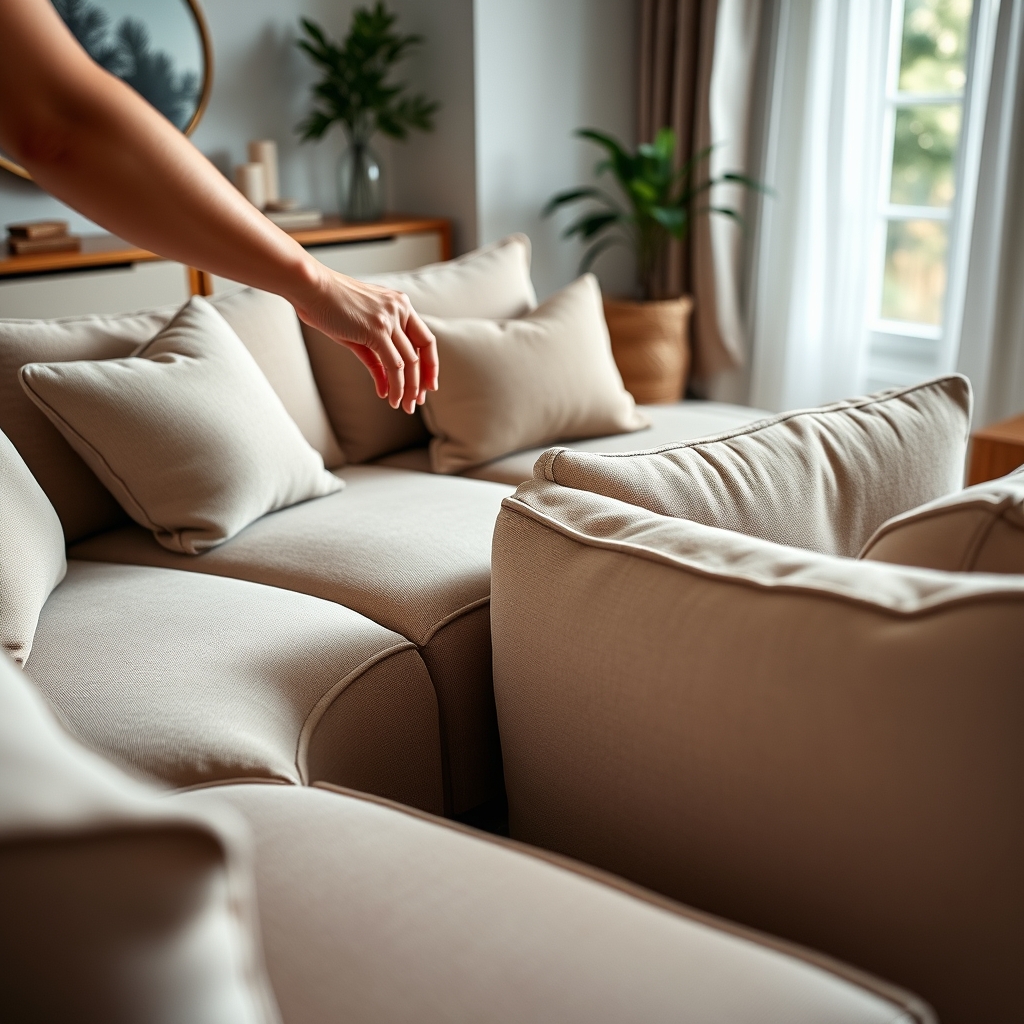
| Cleaning is tedious | Crumbs fall into curved crevices/gaps; velvet and bouclé trap pet hair. | Use handheld vacuum tools and brush attachments weekly. |
| Delivery or room entry fails | One-piece or large sections can’t fit through doorways. | Choose modular designs—never skip measuring entryways. |
| Seat comfort varies sharply | Depth and back angle not uniform along the curve. | Test in person if possible; check for adjustable modular sections. |
| Sections disconnect or wobble | Weak or poorly aligned connectors | Inspect connector quality and tighten periodically. |
Another hidden cost: shipping and returns are steeper for curved options due to weight and bulk. Prices can range from $900 for entry-level arc sofas to $12,000+ for high-end designer models, depending on configuration and upholstery (see full trend report).
For added context on space and modularity, check out our modular bookcase system and sofa with pull out bed resources for flexible living solutions. If you want to layer in lighting, see the modular lighting system home guide.
Don’t overlook longevity: Most competitor guides skip over specifics on lifespan, fabric aging, and replacement part availability. For families, opt for sofas offering replaceable covers, and scrutinize abrasion ratings (look for 30,000+ double rubs). You’ll reduce ongoing maintenance and keep your statement piece looking better, longer.
For more tips on elegant color planning with curved furniture, visit our living room color washing technique article.
4. Conclusion
A curved sectional sofa is striking, but also demands more planning and maintenance than most buyers expect. Understand your space, measure thoroughly, and think through delivery and future flexibility—especially if you rent or move regularly. For many, the beauty and vibe upgrade outweigh the challenges, but ignoring the realities can turn a dream purchase into a costly, awkward regret. Choose wisely, and always test before you invest.
Ready to own the curve? Measure twice, check your clearances, then confidently add a curved sectional sofa to your living space—or explore other flexible furniture solutions throughout our site.
5. FAQ
Do curved sectional sofas save space compared to L-shaped or straight sofas?
Usually not. Curved sectionals often require more floor area for the same number of seats, and may leave gaps along walls or near corners. They’re best for larger, open rooms or homes where conversation and visual impact matter more than maximum seating per square foot.
Are modular curved sectionals as sturdy as traditional one-piece sofas?
Quality varies. Well-designed modular sofas use secure connectors and heavy bases, but budget models can shift or separate over time, especially if modules are light or connectors weak. Always inspect connector hardware before purchase and tighten regularly.
How hard is it to clean a curved sectional sofa?
Cleaning takes more effort. Curved edges and module seams collect crumbs and dust, and fabrics like velvet and bouclé trap pet hair. Use brush vacuum attachments and clean crevices often. Select performance fabrics and removable, washable covers for easier maintenance.
Can a curved sofa work in a small apartment?
Tightly curved 2–3 seat arced sofas may fit, but most full-sectionals feel oversized and limit layout options. Always mock up the footprint with tape or a paper outline to avoid crowding your room. Floating layouts are preferable to wall placement in small spaces.
What’s the lifespan of a curved sectional compared to other sofa styles?
Lifespan depends more on frame, fabric, and construction than the shape. However, poorly engineered curves (especially modular) may develop sagging or loose connections faster than straight sofas. Stick to high-abrasion fabrics, sturdy connectors, and replaceable covers/modules for better longevity.