

Table of Contents
### Blog Post:
L shaped desk with storage is fast becoming the home office essential in 2024, offering more than just workspace but also real solutions for clutter, productivity, and space limitations. If you’re struggling to organize tech, paperwork, and daily essentials while keeping your setup stylish and ergonomic, you’re not alone. In this guide, you’ll discover what actually matters when buying, common pitfalls to avoid, and actionable ways to maximize your new L shaped desk with storage at home.
The Core Concept: Why Choose an L Shaped Desk with Storage?
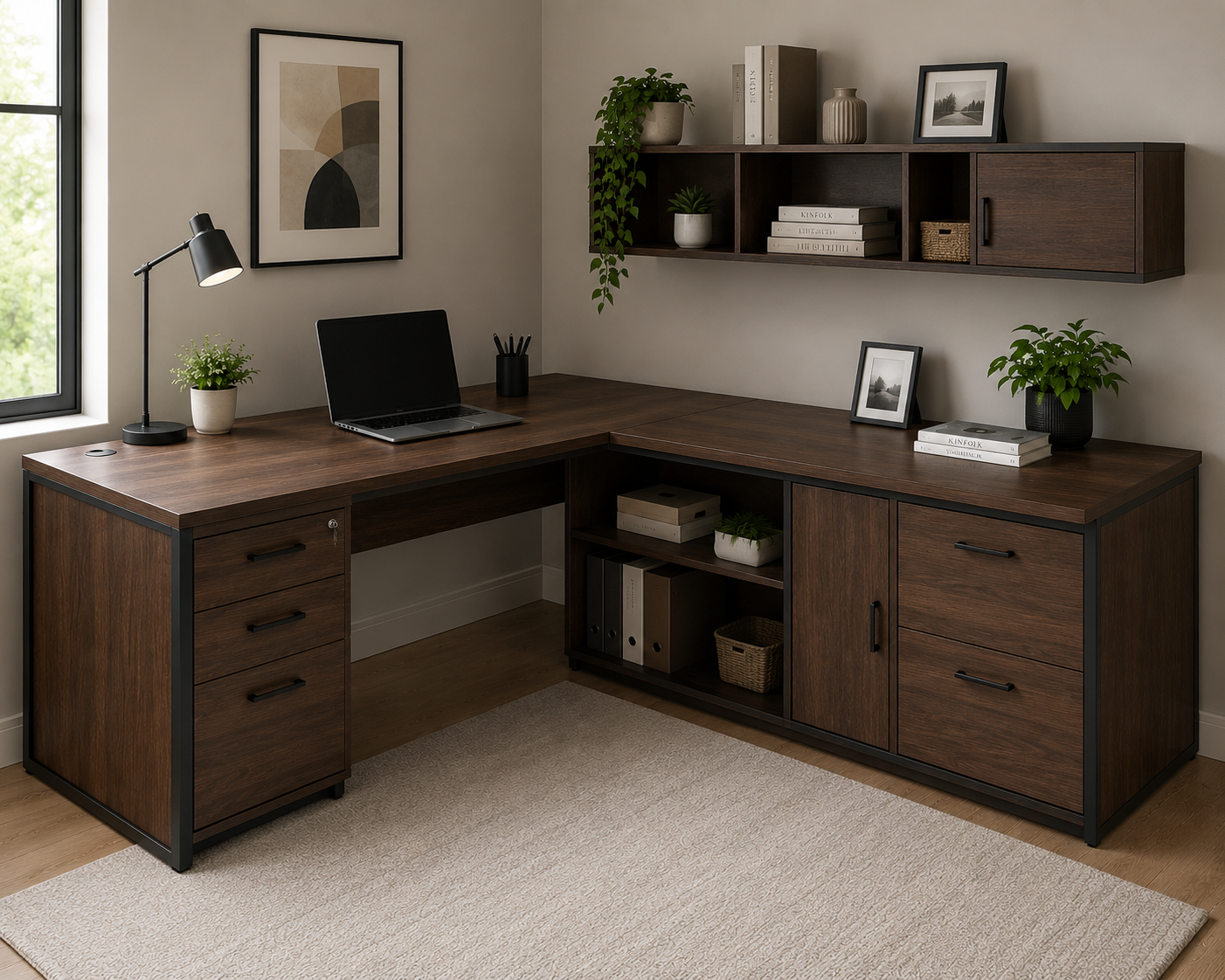
L shaped desks with storage aren’t just a trend; they’re a practical upgrade driven by the explosion of remote work, shrinking home office spaces, and a renewed focus on holistic productivity. The L design tucks into a corner, opening floor space for movement and other furniture. Built-in shelves and drawers allow you to stow files, tech accessories, reference books, or even printer gear—without dragging in a separate cabinet or crowding your feet.
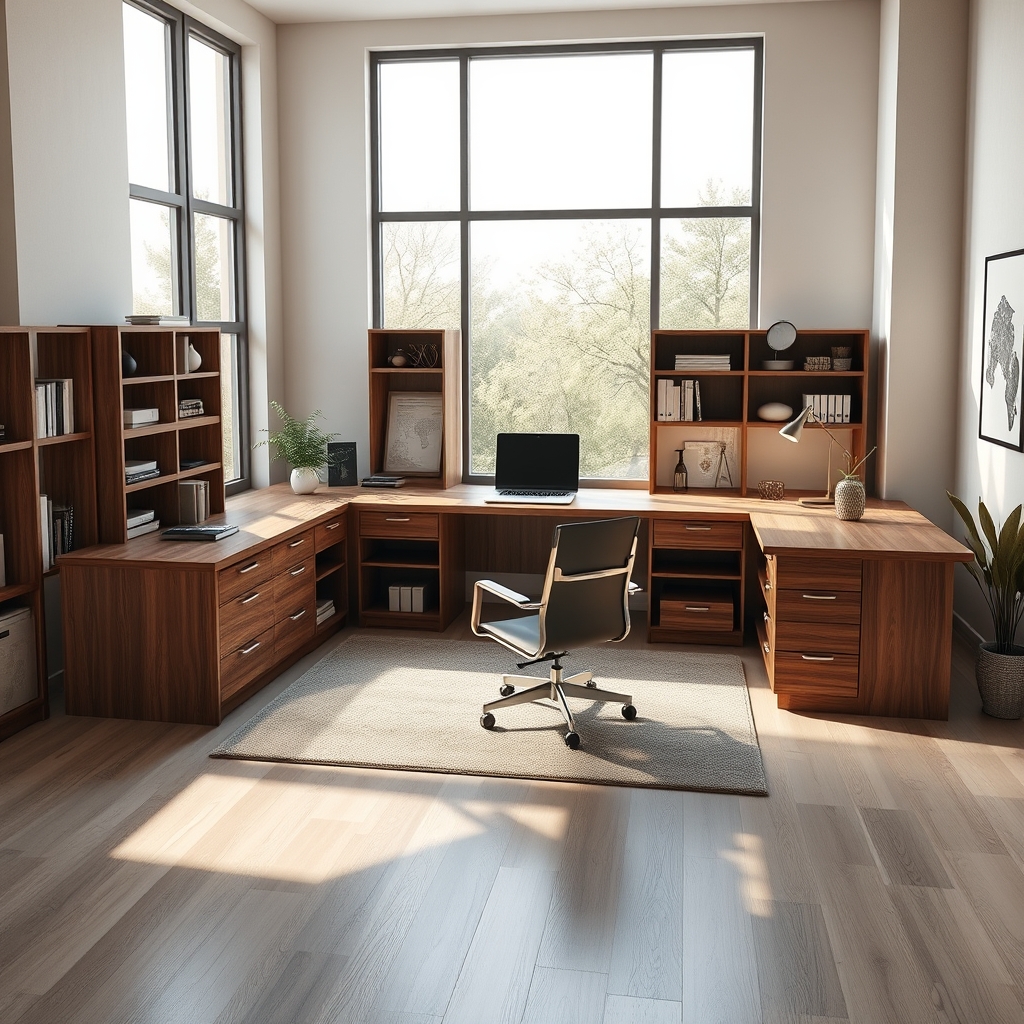
Why the surge in popularity? According to recent retail insights, models like AODK’s L-shaped desk with drawers topped sales charts in 2024, outpacing over 120 competitors by delivering over 2000 units monthly on Amazon. Desk makers like Sauder and Fezibo have launched dozens of compact, storage-forward models to meet demand among remote workers and those with limited square footage. These desks not only maximize every inch but also support multitasking—key when you need zones for laptop work and note-taking, or dual monitors and a writing area.
Ergonomics and organization are also front and center. The best L shaped desks with storage offer cable grommets, adjustable shelves, and full-extension drawers so you can access files without crawling under your desk. Even premium brands now design versions with modular hutches or integrated charging so your workspace can scale with your needs.
Step-by-Step Guide: How to Choose and Set Up an L Shaped Desk with Storage
Not all L shaped desks with storage are created equal. Here’s how to select and optimize yours for real world use:
- Measure your room—carefully. Double-check corner width, wall length, and available depth. Consider the swing of doors, the reach of natural light, and how your chair will move.
- List your must-have features. Do you need deep file drawers, small-item trays, a hutch for books, or a pull-out keyboard tray? For dual monitors, pick a length of at least 60 inches per side.
- Compare material durability. Budget models like Mainstays use particleboard, while premium desks (Offices to Go SL13) opt for commercial laminate or thick MDF. Figure out your expected daily use (light paperwork vs. heavy electronics and gaming).
- Check storage flexibility. Integrated vs. modular? If workflow changes, standalone add-ons or moveable shelves may be worth a slight hit in visual consistency for flexibility. Explore brands offering adjustable shelving or swappable cabinets.
- Factor in assembly and support. Ready-to-assemble options save money but can be complex and time-consuming. Consider if you need assembly services or would benefit from a more robust pre-finished design.
- Set it up for productivity. Place most-used drawers or supply caddies on your dominant side. Store rarely-used items higher up or behind closed hutch doors. Route cables through grommets to keep your top clean.
- Light your workspace well. Overhead lighting can cast shadows on large desks. Consider a rechargeable cordless lamp for targeted illumination—especially if outlets are scarce.
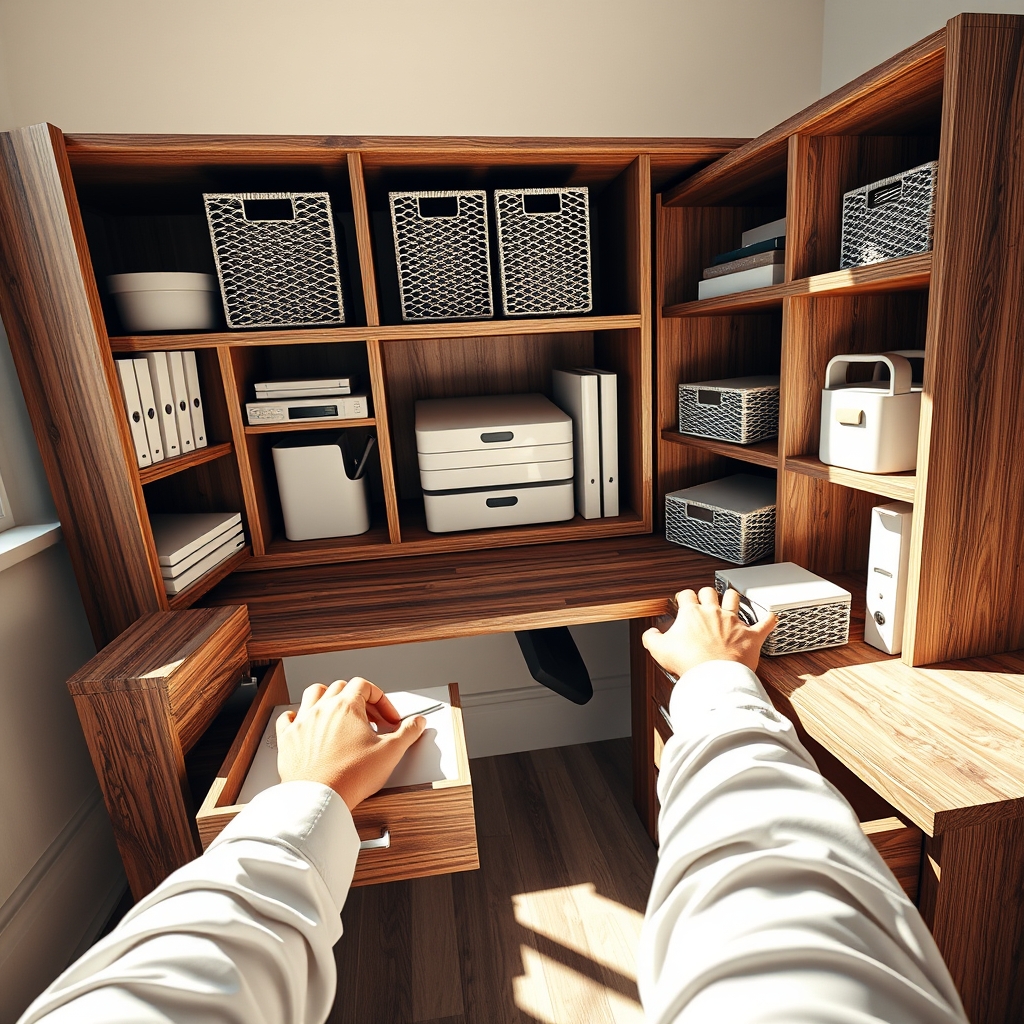
If your space is truly tight, combine storage: choose a desk with a hutch and supplement with a storage ottoman for hidden files or tech, or utilize slim rolling carts that tuck under the secondary desk return. For small rooms, desks under 51 inches per side (like the Walmart Casacomoda) practically disappear into a corner, leaving room for compact ergonomic office chairs.
For a contemporary, executive look, seek out rich finishes or desks with integrated power and grommets, like Fezibo’s or Sauder Pacific View. Want to stand and sit throughout the day? Premium models like the Fezibo Triple Motor L Shaped can convert to standing height, supporting both health and focus.
Advanced Analysis & Common Pitfalls
Even the best L shaped desk with storage can disappoint if you skip past its real-world limits. Here are the most common pitfalls—plus a direct side-by-side comparison to help you decide between integrated and modular storage:
| Feature | Integrated Storage (drawers/shelves attached) | Standalone Modular Storage (add-on units) |
|---|---|---|
| Convenience | All-in-one, streamlined, no extra footprint | Flexible placement, can be repositioned or swapped |
| Organization | Consistent look, built-in cord management | Risk of style mismatch, can get cluttered if not planned |
| Customization | Usually fixed; rarely adjustable or upgradable | Highly modular—add/swap pieces as needs change |
| Durability | Depends on desk quality; moving drawers is harder | Move or replace broken units separately |
| Price Impact | Bundled with desk—can save vs. several separate units | Higher cost for premium standalone systems |
Common Pitfalls to Watch Out For:
- Assembly Frustrations: Many affordable L shaped desks use flat-pack designs that can take hours to assemble, with unclear instructions or missing fasteners. Ready-to-assemble particleboard models often have the highest return rate due to poor fit or missing pieces (source).
- Material Lifespan: Particleboard and basic MDF won’t hold up to years of heavy use—corners may chip, drawer slides degrade, and water damage can cause swelling. If you move often or reconfigure your space, look for thick laminate or commercial-grade MDF (as on the Offices to Go SL13) for best longevity (source).
- Lack of True Modularity: Integrated shelves/drawers can make the desk harder to adapt as your needs change. Most brands (except Eureka, which offers alternate cabinets and add-ons) don’t allow you to reposition or upgrade the storage modules. If flexibility is key, modular systems or open shelving might serve you better (source).
- Storage Capacity Misjudged: Many users overestimate drawer depth or under-desk shelf clearance. Check the actual dimensions—some “file drawers” won’t fit standard hanging folders, and “PC case” shelves are often too narrow for gaming rigs.
- Legroom Issues: Overloading with storage can box in your feet or prevent you from moving your chair side-to-side—especially with corner supports and fixed pedestals.
- Lack of Ergonomy: Only a few desks are optimized for dual monitors and comfortable typing. If you need ergonomic advice, check paired resources about standing desk converters to avoid back or neck strain.
- Lighting Problems: Large desks often block natural light or create dark zones. Use modular lighting systems to supplement and shift light throughout the day.
| Desk Type | Average Price (2024) | Best For | Known Downsides |
|---|---|---|---|
| Budget (particleboard/MDF) | $100–$300 | Renter setups, lightweight home office use | Less durable, prone to damage if moved frequently |
| Mid-range (laminate/MDF/adjustable storage) | $400–$600 | Permanent home offices, mixed tasking | Better quality, but still limited for high-traffic use |
| Premium/Executive (commercial laminate, hutch) | $900+ | Dedicated offices, executive setups | Heavy, requires larger rooms, complex assembly |
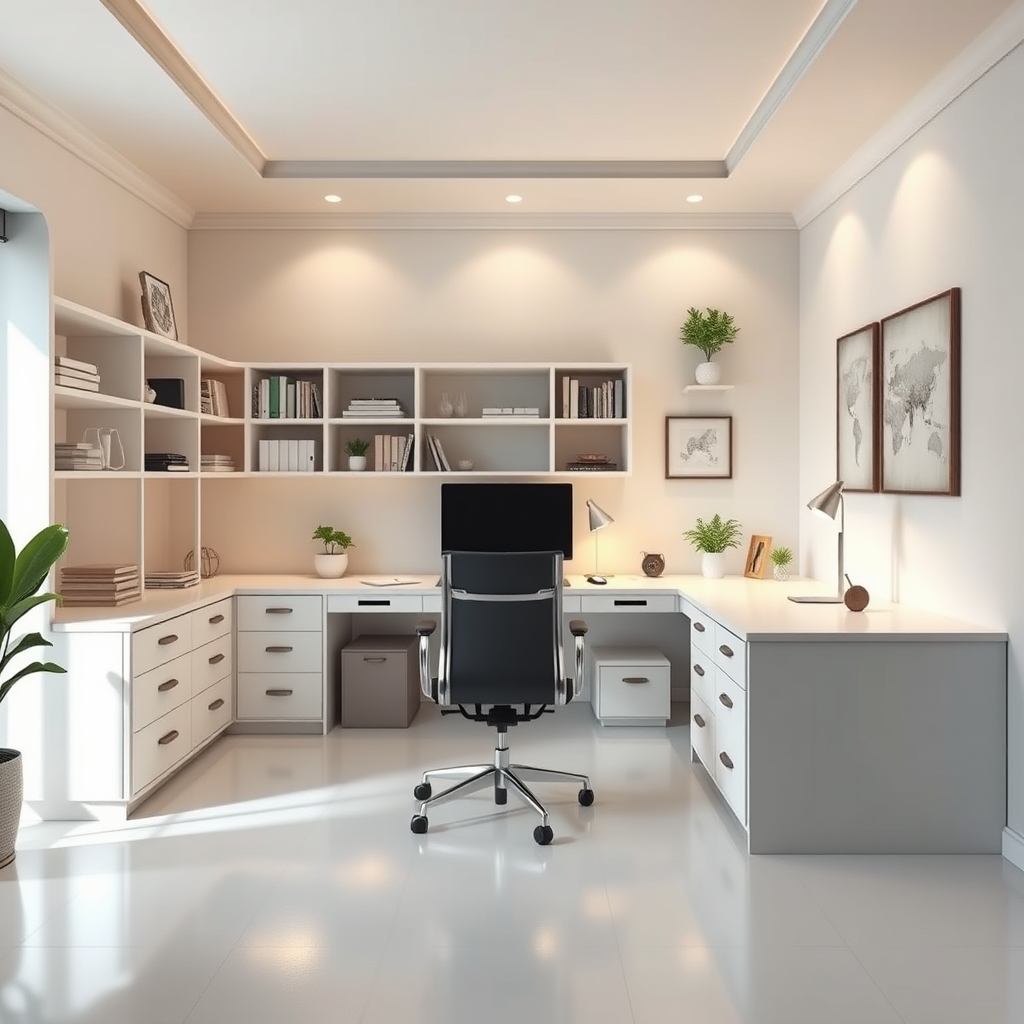
For small apartments or renters in particular, consider how easily you can move or disassemble your setup when needed—key when combining it with flexible furnishings like a sofa with pull out bed or portable lighting solutions in a multi-use space. For more elaborate or permanent projects (or if you need more storage than most desks offer), look for inspiration in modular kitchen storage guides—it’s increasingly normal to mix-and-match furniture for custom results.
Conclusion
An L shaped desk with storage can do more than upgrade your workflow. It creates a command center in any room, combines style with smart storage, and helps prevent clutter from overwhelming your space. To make the most of it, measure thoroughly, choose quality storage features, and don’t forget small-but-mighty upgrades like layered lighting. Whether you work from a spare bedroom or a flexible living room office, your l shaped desk with storage delivers the structure and adaptability you need for peak productivity.
Ready to set up your best home office yet? Take your next step—assess your space, list your must-haves, and compare top-rated L desks with storage today.
FAQ
What size L shaped desk with storage is best for a small home office?
For compact spaces, look for desks between 40 to 55 inches per side. These fit into most corners and allow room for an ergonomic chair. Check out the Walmart Casacomoda or narrow modular options for maximum flexibility.
Are L shaped desks with storage hard to assemble?
Budget and mid-range models are usually flat-packed and can take 1 to 3 hours for assembly. Some users find instructions unclear or hardware missing. If you’re not comfortable with self-assembly, consider professional setup or a pre-built executive model.
Is integrated storage better than using separate filing cabinets?
Integrated storage offers a neater look and saves floor space, but can’t be moved or upgraded. Standalone filing cabinets or modular drawers offer more flexibility if your needs change, but can lead to a cluttered or mismatched appearance.
How do I keep my L shaped desk with storage organized?
Use drawers for daily-use items, add baskets or organizers inside shelves, and route cables with grommets. Keep unneeded items in higher hutch cabinets or nearby modular shelves. Supplement with modular lighting for visibility.
What features should I prioritize for comfort and productivity?
Choose a desk with enough depth for your monitors and keyboard, cable management holes, and adjustable shelves or drawers near your dominant side. For all-day work, consider desks with ergonomic radius corners or standing desk converters.