

Table of Contents
Kitchen backsplash slab full height backsplash installations can transform the look and value of a home kitchen, but most homeowners are unprepared for the true costs, challenges, and technical pitfalls that come with this premium upgrade.
- What Is a Full-Height Slab Backsplash and Why Consider One?
- Step-by-Step Guide: Installing a Full-Height Stone Slab Backsplash
- Advanced Analysis & Common Pitfalls
- Conclusion
- FAQ
What Is a Full-Height Slab Backsplash and Why Consider One?
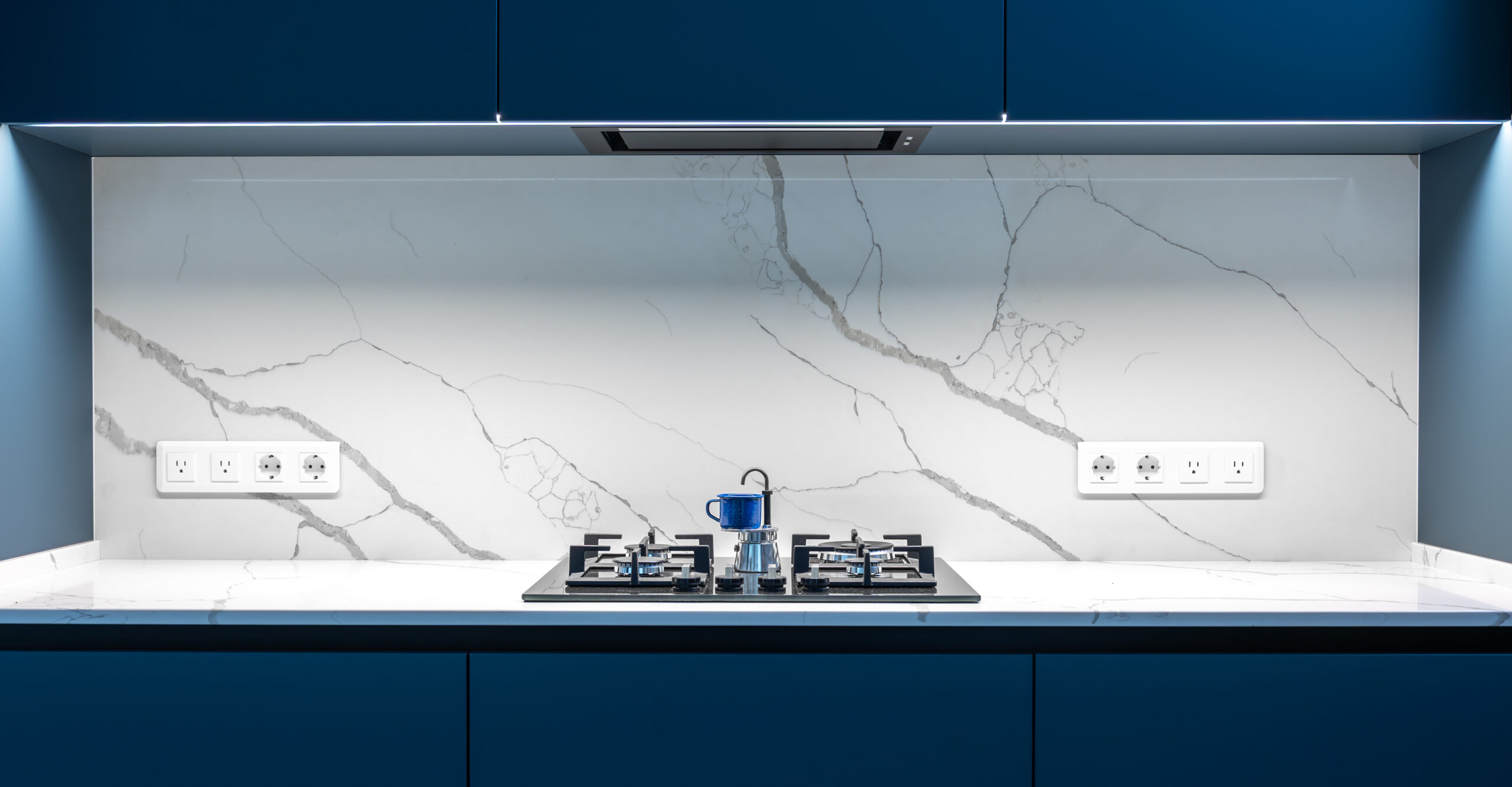
A kitchen backsplash slab full height installation covers the area from the countertop all the way to the ceiling using one continuous stone slab, rather than traditional tile or short slab segments. This approach creates a seamless, upscale look sought after in luxury kitchens and new builds.
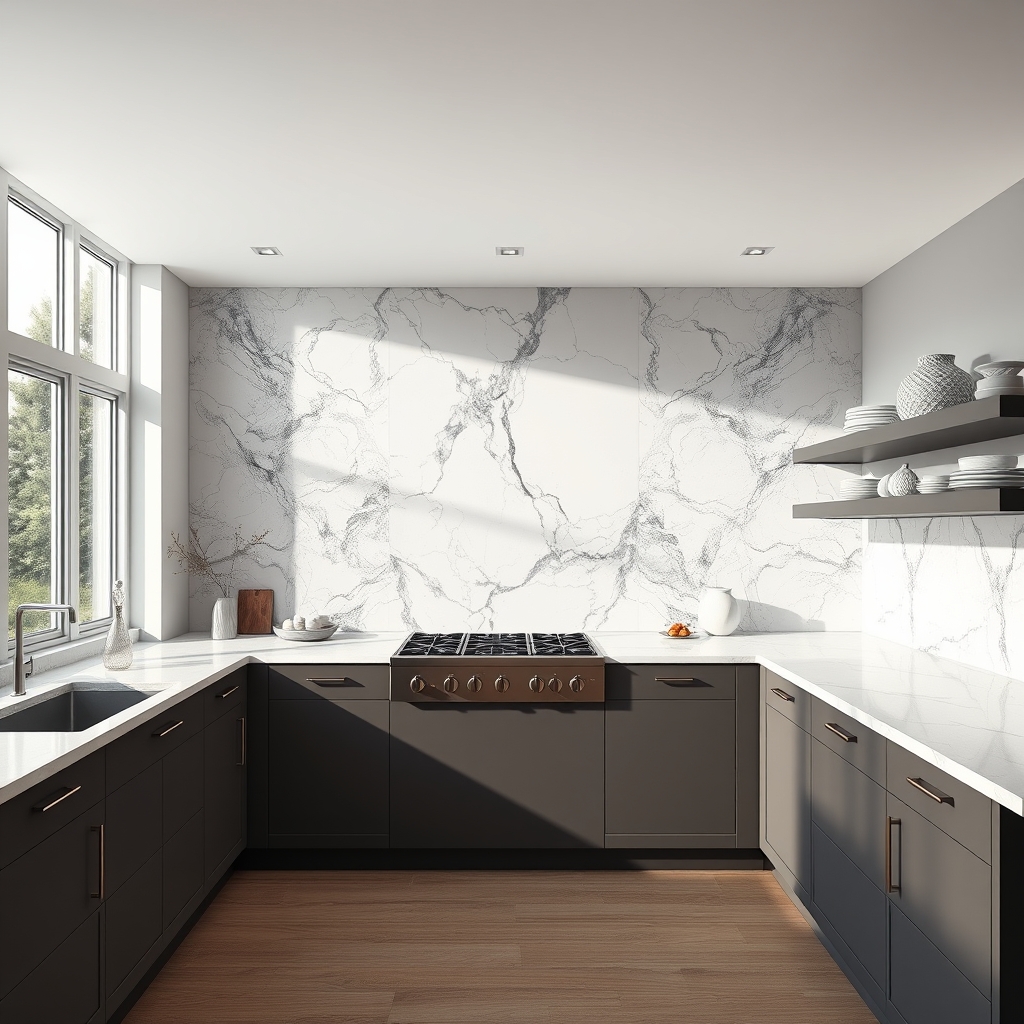
Unlike standard backsplashes that use tile or 4-foot segments, a full-height slab means fewer seams, bolder natural stone patterns, and visual impact that runs from the counter up behind shelves, shelving, or even your kitchen hood. The trend is driven by the desire for a luxurious, minimalist look or to maximize the value of stone selections like Calacatta marble or exotic quartzite.
However, this dramatic upgrade brings major increases in material costs, labor, installation complexity, and long-term upkeep compared to a classic backsplash approach. For a clear comparison between tile and slab, check out our backsplash tile vs slab breakdown.
Step-by-Step Guide: Installing a Full-Height Stone Slab Backsplash
-
- Planning & Material Selection: Measure your kitchen wall precisely (including above cabinets or range hoods if applicable) to determine the total square footage. Choose a stone slab that fits both function and style—for example, Calacatta marble for a bright statement, or darker quartzite for durability. Expect a 100-square-foot wall to need a single, large slab or multiple carefully matched pieces.
- Budgeting & Cost Estimating: Installed costs in 2026 for a full-height marble slab range from $45 to $248 per square foot for premium materials, or $9,900+ for a typical 100-square-foot wall. Granite or quartzite averages $20 to $68 per square foot installed, but with little published cost data for full wall applications (source).
- Assessing Structural Support: Full-height slabs weigh 20-30 pounds per square foot, so a 100-square-foot wall could top 2,000 pounds. Walls often require added bracing, especially behind ranges or if cabinets are not providing support. Have a certified installer inspect your studs and recommend reinforcement.
- Removal & Prep: Existing tile, paint, or drywall must be removed. Expect $3-$6 per square foot for demo and disposal. Ensure electrical and plumbing behind walls are accessible for cutting for outlets or access panels.
- Templating & Custom Fabrication: The slab must be precisely templated to match your layout (windows, outlets, range hood cutouts). Complex cutting and polishing can add $10-$30 per square foot to labor (source).
-
- Transport & Slab Placement: Moving large slabs (often over 1,000 pounds) into a home is risky and can cause damage. Demand that your installer uses the proper equipment and a team trained in handling heavy stone to prevent cracks or injury.
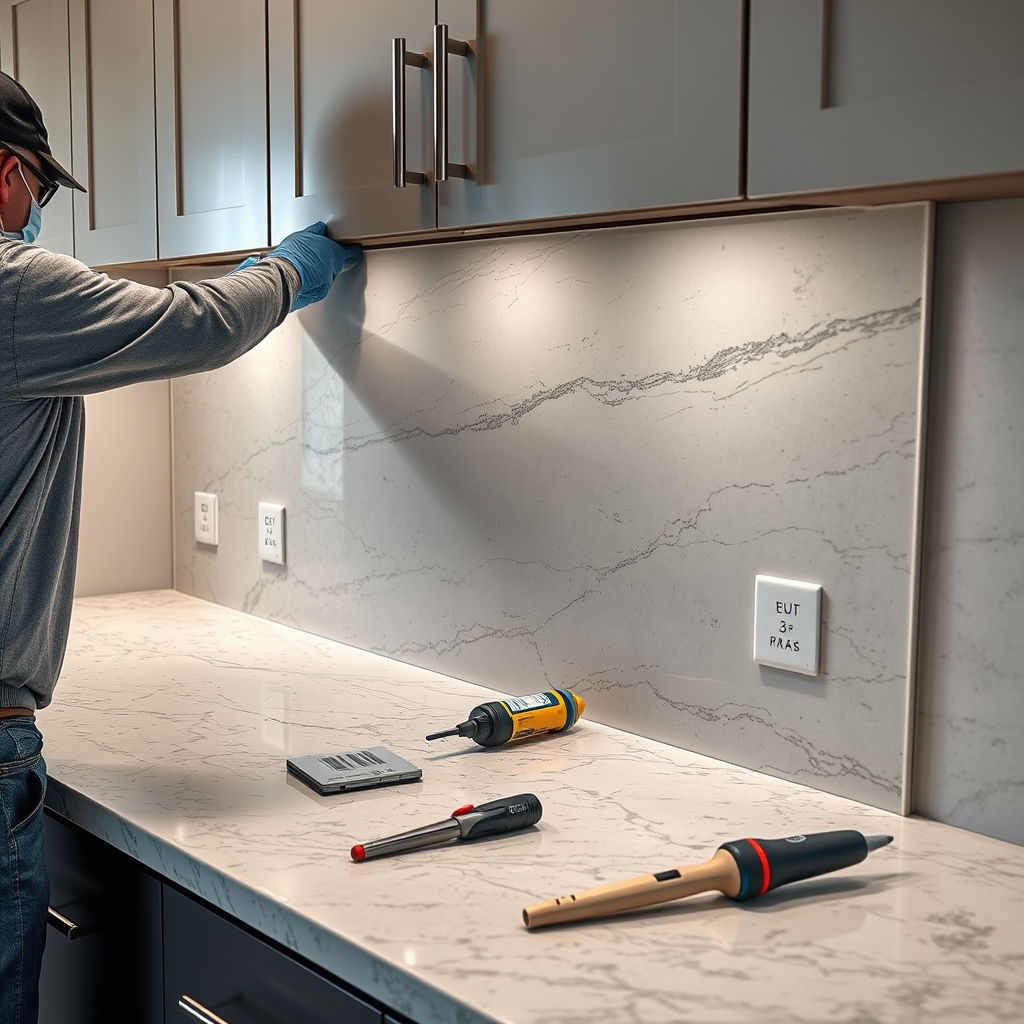
- Installation Behind Cooktops & Ventilation: Stone must be cut precisely for vent hoods, outlets, or pot fillers. Behind a gas cooktop, ensure a non-combustible, heat-resistant stone and caulk. Consult a ventilation expert if covering an existing vent chase.
- Sealing & Finishing: All-natural stone—especially marble—requires professional sealing to prevent staining. Plan for periodic resealing (annually for marble, less often for granite). Polish edges and fill any hairline seams with color-matched epoxy.
- Cleanup & Final Inspection: Confirm all openings are accessible, no gaps around switches and outlets, and that all adhesive residue is cleaned. Debris removal adds $3-$6 per square foot to your total bill.
If you want an in-depth breakdown of prepping for stone installation, see our kitchen surface prep guide.
Advanced Analysis & Common Pitfalls
Full-height slab installations require significant planning and usually reveal setbacks that surprise even experienced homeowners. These mistakes often result in additional costs, delays, or disappointment.
| Material | Installed Cost per Sq Ft | Advantages | Drawbacks |
|---|---|---|---|
| Marble Slab | $20-$130 (source) | Seamless, luxury look. Unique veining and patterns. Increases appeal for high-end kitchen remodels. | High cost for both material and labor. Marble is porous and stains without frequent sealing. Prone to etching and scratching. |
| Granite/Quartzite Slab | $20-$68 (source) | Durable, heat resistant, and generally less porous than marble. Broad range of natural colors. | Still requires sealing but less frequently. Color/pattern consistency can vary. Harder material makes cutting and installation more expensive. |
| Marble Tile | $5-$15 (materials only) | Much cheaper, easy to replace in case of damage, and more DIY-friendly. | Visible grout lines and seams, less dramatic. Shorter lifespan if not properly sealed. |
Frequent Issues in Full-Height Slab Installs:
- Structural Support Problems: Walls sometimes lack the bracing to handle large slab weights, leading to cracks—or worse, safety risks. Always consult a pro for reinforcement.
- Difficult Seams: While seams are minimized, matching slabs for large or awkward layouts is complex (especially for patterns). Poor seam placement looks unsightly and can collect dirt.
- Cutting Around Outlets and Windows: Each cut or hole increases labor cost and the risk of slab damage. If you have many outlets, consider a creative workaround like running power through an under-cabinet channel.
- Water and Stain Sensitivity: Especially with marble, water and everyday kitchen messes will stain the slab unless sealed regularly—learn cleaning tips here.
- Transport Damage: Large, heavy slabs often crack during delivery or setup. It is critical to use a reputable installer who carries insurance.
- Maintenance Surprises: Marble requires annual sealing and careful cleaning—skip this and you risk permanent discoloration.
- ROI and Resale: There is no hard data showing a measurable resale boost versus tile. If you are remodeling for profit, read our kitchen remodel value update.
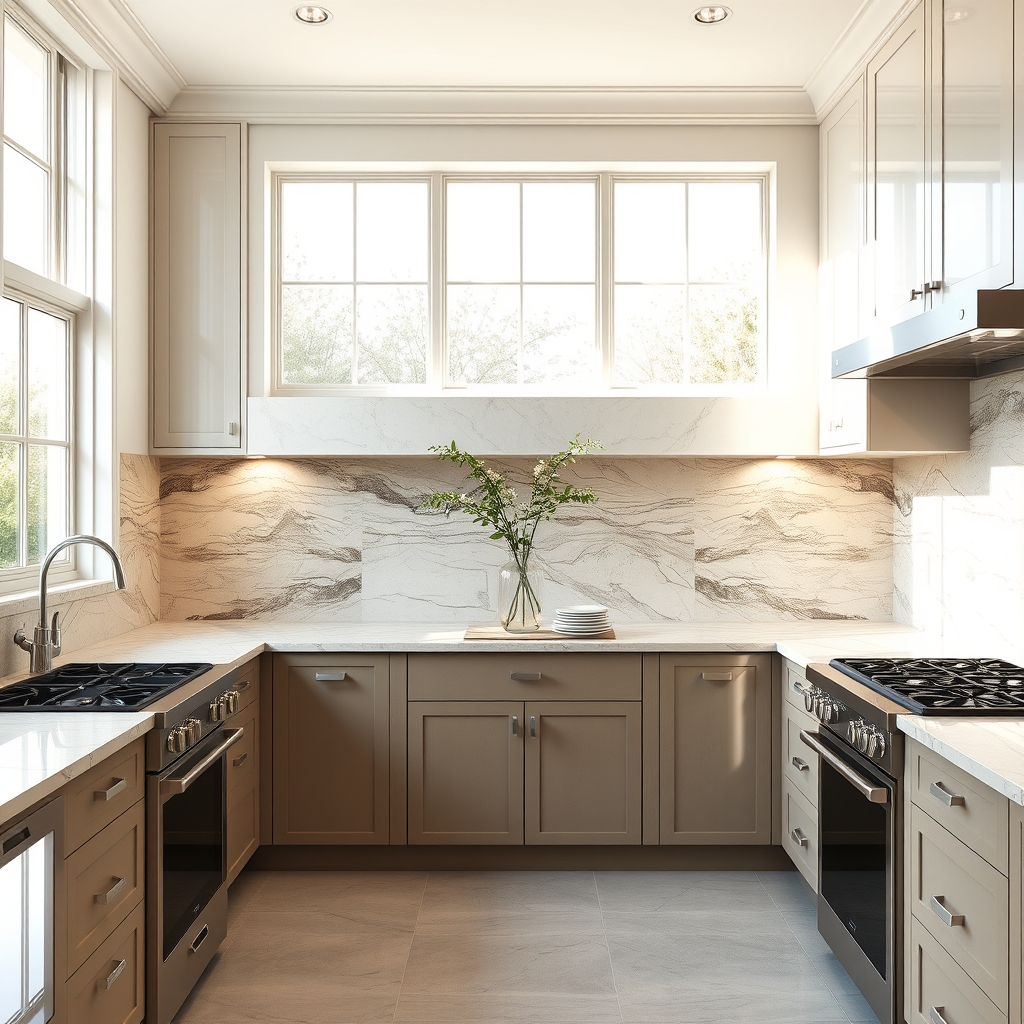
For further reading on common renovation headaches, visit our kitchen renovation mistakes page.
Conclusion
A kitchen backsplash slab full height installation delivers showstopping style, but it requires high investment, expert planning, and ongoing maintenance. Know the costs—expect to pay at least twice what you would for a standard backsplash. Address support, seams, outlet cutouts, and maintenance early, or risk unwanted surprises. If you are ready for the upgrade, start by contacting certified local pros and reviewing our kitchen backsplash buying guide for next steps.
FAQ
How much does a full-height slab backsplash cost in 2026?
The installed cost for a full-height marble slab ranges from $45 to $248 per square foot, or roughly $9,900 for a 100-square-foot wall. Granite or quartzite averages $20 to $68 per square foot, but final price depends on stone rarity and complexity. See cost details here.
Is marble or granite better for a kitchen backsplash slab full height project?
Marble offers a striking, seamless look but is higher maintenance (requires frequent sealing, stains more easily). Granite or quartzite is more durable and less porous, although still more complex to install than tile.
Do I need extra wall support for a full-wall stone slab?
Yes. Full-height slabs can exceed 1000 pounds in total weight. Your wall may need added bracing or structural reinforcement to safely hold the stone, especially above ranges and between cabinets.
How are seams handled in a continuous slab design?
Seams are minimized, but large walls often require joining two or more slabs. For the best look, place seams behind shelving or cabinetry, and match veining or color for a subtle transition.
Will a full-height slab backsplash add to my home’s value?
No published ROI data is available for slab backsplashes versus tile. It is viewed as a high-end upgrade and may increase appeal in luxury markets, but resale boost is not guaranteed.