

Table of Contents
### Blog Post:
Fluted sideboard design is dominating furniture trends for 2024, blending sculpted architectural texture with modern storage function. If you’re considering this look for your home, it’s important to know both the advantages and the honest tradeoffs before you buy—or before you try to style one in your living or dining space.
The Core Concept: What Is a Fluted Sideboard and Why Are They Trending?
Fluted sideboards are storage cabinets featuring grooved, ribbed, or vertically channeled door and drawer fronts. These vertical lines, created by routing solid wood, MDF, or glass, add shadow, pattern, and texture—making a bland storage piece feel like sculpture. Demand for fluted sideboards is up sharply, fueled by a broader movement toward tactile surfaces and the popularity of “statement” casegoods in open living plans.
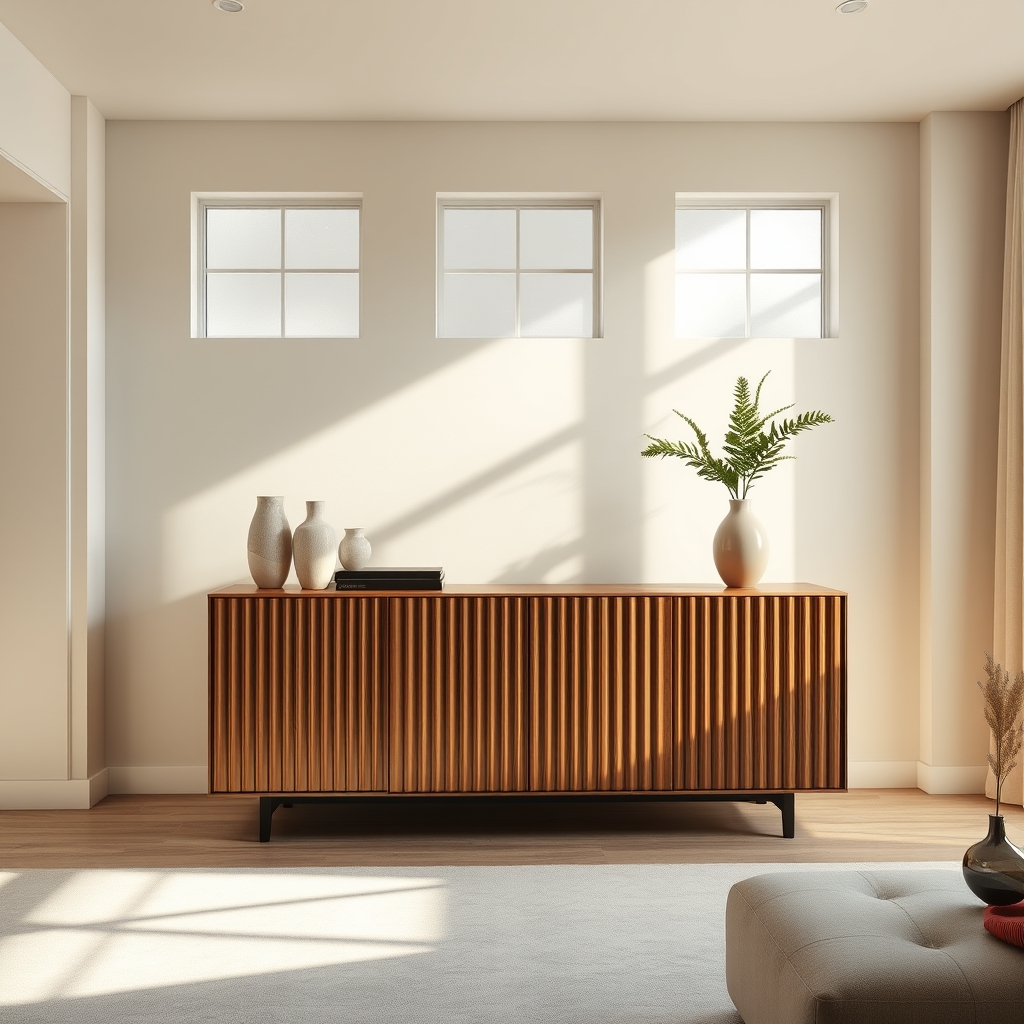
This trend shapes both big-box retail (Target, Walmart, World Market, AliExpress) and luxury custom cabinetry. Fluted glass—also known as reeded or ribbed glass—accounts for nearly $4.31 billion in global demand by 2030, per industry research. Homeowners and renters choose fluted sideboards for:
- Texture and visual rhythm in otherwise neutral, minimalist rooms
- Contemporary but not cold appearance—fluting softens flat rectangles
- Mass-appeal, with versions available from under $200 to $4000+
But for all their style cred, fluted sideboards are not without drawbacks—especially if you’re concerned about cleaning, durability, or trend longevity.
Step-by-Step Guide: How to Choose and Style a Fluted Sideboard
Finding the right fluted sideboard means considering not just trend status, but how it will function, age, and perform in daily life. Here’s a straightforward process:
- Measure your space carefully.
- Standard widths range from 48 to 80 inches. In small rooms, use narrow depths (15-16 inches) and lighter finishes to avoid visual clutter.
- Allow enough wall space and swing clearance for doors—especially for full-height, grooved doors found on many models.
- Choose material wisely for your needs.
- Solid wood: Offers the best longevity and repairability, but usually costs $1,200 and up.
- MDF/laminate: Most common at $250-$600. Easy to scratch/dent along grooves, especially on budget units. Not recommended for wet or high-traffic locations unless sealed.
- Fluted glass: Modern and partially see-through, perfect for media or bar storage. Shows fingerprints, but hides dust better than routed wood.
- Pick a silhouette and detail style.
- Rounded, curved-front fluted sideboards (like the Safia model) evoke 2024’s soft, organic trend.
- Straight rectangular sideboards with narrow flutes feel more modern. Wider or deeper ribbing gives a bold midcentury vibe.
- Check hardware and storage features.
- Look for adjustable shelves and cable management if using for media. The Saracina Home Modern 70″ Fluted Sideboard has cord cutouts—a rare feature in style-driven pieces.
- Consider cleaning and wear patterns.
- Grooved wood collects dust and needs more frequent dusting or a small brush attachment. Painted or sealed finishes help, but be wary of deep, tight grooves if you hate cleaning detail work.
- Decide based on real lifestyle needs, not just trends.
- If you value easy cleaning or own shedding pets, a smooth-front sideboard may be more practical. If you love layered neutrals and tactile design, the fluted look is hard to beat—just plan to maintain it a bit more.
- Match fluting to other trends—carefully.
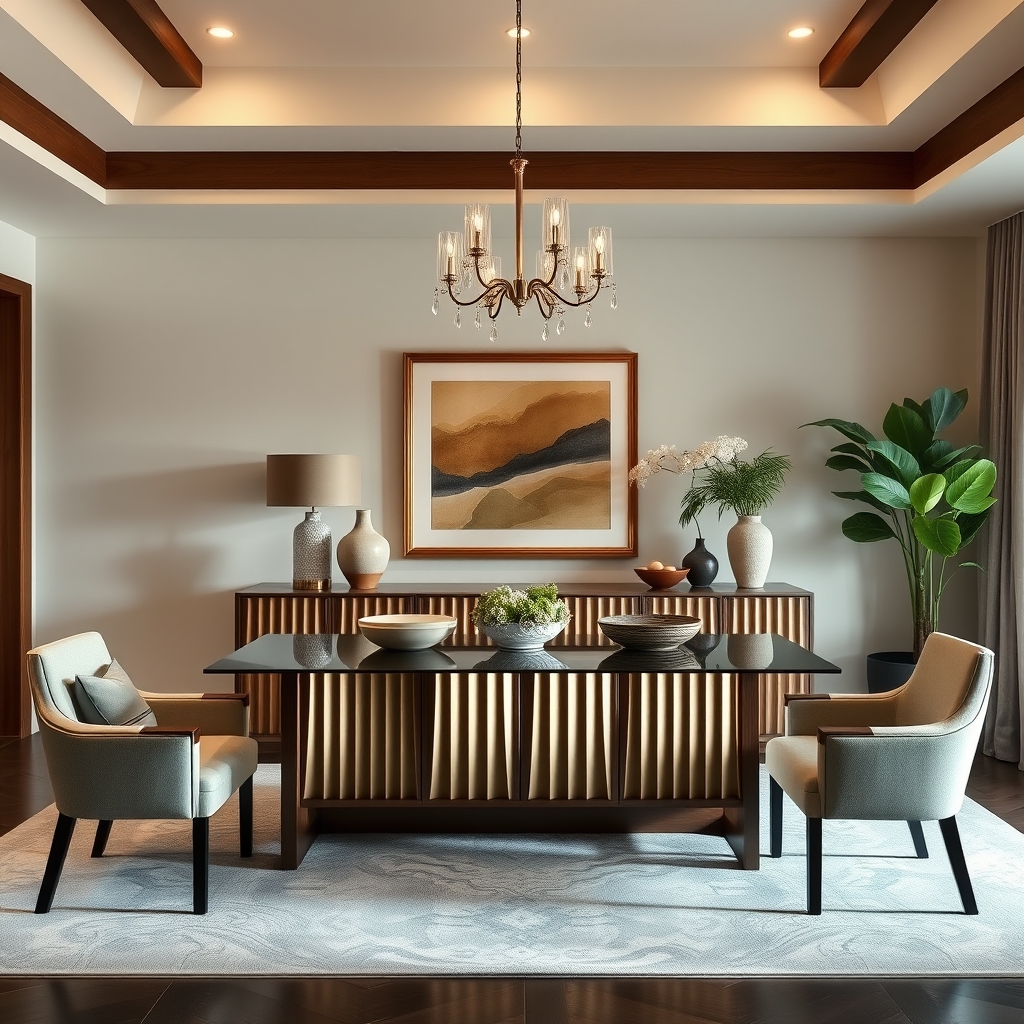
- Pair a fluted sideboard with curved sofas, cordless lamps, or Japandi furniture for a complete look. Avoid mixing too many bold textures in one space.
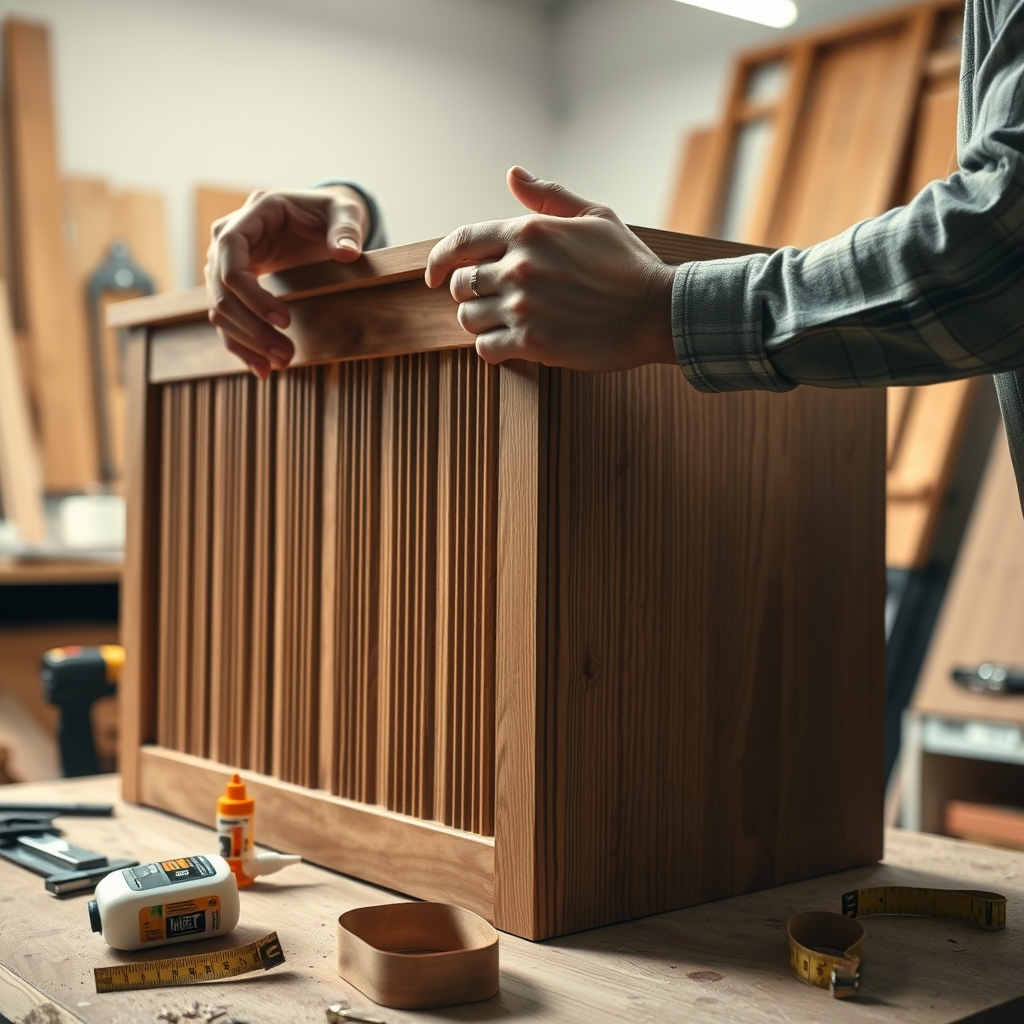
To get the most out of a fluted sideboard, check for hardware quality (soft-close hinges, sturdy legs) and avoid budget units with printed or too-shallow grooves. If you’re focused on sustainability, prioritize FSC-certified wood or low-VOC finishes. Fluted glass models are less demanding to clean but may show fingerprints—good for bar storage or rooms with less dust risk.
Advanced Analysis & Common Pitfalls
Even among top-rated fluted sideboards, there are recurring pitfalls that buyers and stylists should expect:
- Cleaning grooves: Routinely cited as the main hassle. Dust and grime get wedged in vertical ribs, especially on wood or MDF. Kitchens with airborne grease compound the problem. Most retailer FAQ pages and trusted sources repeat this warning.
- Material fragility: Lower-cost units rely on MDF and thin veneer, which chip or dent at the ribbed edge—more so than smooth surfaces. Veneer peeling and corner damage are common return/complaint reasons.
- Assembly issues: Grooved doors require perfect alignment—any slight hinge mismatch makes the pattern look “off.” Expect extra time and having to adjust leveling feet or hardware.
- Storage function tradeoff: Many fluted sideboards are shallower than they appear, limiting use for deep serving pieces or media gear. Fixed shelving is common at lower price points, hurting flexibility.
- Price premium risk: You’ll pay 10-30% more for identical interior capacity and material, simply due to the surface detail. Budget shoppers will sacrifice build for trend styling at the low end.
- Trend fatigue: Over-fluting combined with too many other trending features (like heavy slats, rattan, or color drenching) can quickly make a space look busy or dated. Experts recommend balance—fluting as focal, not overkill.
| Feature | Fluted Sideboard | Smooth-Front Sideboard |
|---|---|---|
| Visual Impact | Bold, tactile texture; adds depth and rhythm | Subtle, easier to blend; classic and simple |
| Cleaning Difficulty | High (grooves collect dust and grime) | Low (wipes down fast) |
| Durability (Budget Tier) | Can chip along ribs; veneer may peel; visible dings | More resistant to bumps at edges; fewer problem spots |
| Price (Retail) | 10–30% higher for same storage | Standard for capacity/material |
| Trend Risk | Could date faster if trend fades | Timeless if neutral |
If you want to see how fluted sideboards stack up in high-style living spaces, explore the impact they have alongside trends like color drenching and distinctive countertop colors. Combining fluting with saturated color or sculptural curves can create either a showstopper or an overloaded room—plan accordingly.
Conclusion
Fluted sideboards are a visually impactful, highly current furniture statement that can transform a room—but they require awareness of cleaning needs, durability limits at lower price points, and the risk of style burnout. Choose your fluted sideboard with true intention: match the scale to your space, prioritize quality over just trend, and be honest about how much cleaning you’re willing to do. Shop thoughtfully, balance with other textures, and enjoy the sense of movement and depth it brings. Ready to upgrade your storage with architectural flair? Find the right fluted sideboard for your style and needs today.
FAQ: Fluted Sideboards
Are fluted sideboards hard to clean?
Yes—grooved surfaces collect dust, and sticky residue can settle into tight channels. Regular dusting with a soft brush or vacuum attachment is recommended for best upkeep.
Do fluted sideboards go out of style quickly?
Fluting is a genuine trend for 2024 but could become overused if layered with too many textured elements. Choose classic shapes and neutral finishes for longer appeal.
What is the most durable material for a fluted sideboard?
Solid wood or quality wood veneer over plywood is the most durable and repairable. MDF/laminate is common at lower price points but can chip or swell if not maintained well.
Are fluted sideboards more expensive than flat-front sideboards?
Generally, yes—there’s usually a 10–30% price premium for fluted detailing over flat fronts at the same quality level, due to added labor and material.
What interior styles work best with fluted sideboards?
Fluted sideboards complement modern, Japandi, midcentury, and even classic settings. Pair with curved sofas or minimal decor for best effect; avoid too many competing textures.
—