

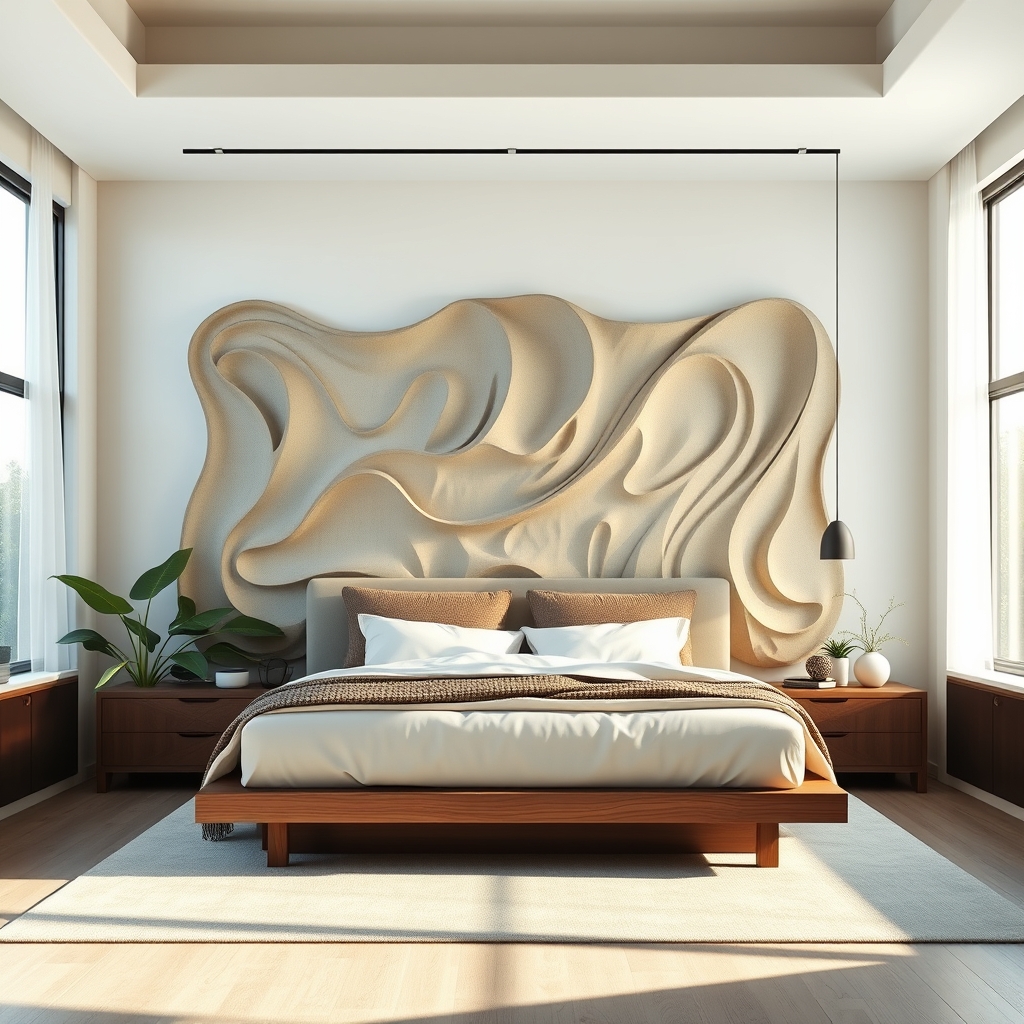
Bedroom sculpted organic texture headboard designs are rapidly transforming modern sleep spaces, combining tactile appeal with eco-conscious materials. As bedrooms shift toward natural shapes and sustainable accents, these headboards stand out for their artistry and practicality.
Key Takeaways
- Sculpted organic texture headboards are driving new bedroom trends in 2024, emphasizing tactile surfaces and eco-friendly materials like oak, walnut, and rattan.
- Installation and maintenance of 3D textures require careful planning, with key gaps in market guidance for DIY and professional execution.
- Comparative durability, maintenance, and natural effect techniques remain underexplored—presenting opportunities for innovation and better buyer decisions.
What Are Bedroom Sculpted Organic Texture Headboards?
Sculpted organic texture headboards bring a bold, tactile focal point to the bedroom, blending rich wood grains, curved forms, or artisan-carved patterns to evoke nature—think the warmth of oak, the airiness of rattan, or a ripple effect that recalls water. These pieces are rising in demand as part of a broader shift toward nature-inspired, sustainable furnishings [source].
Unlike standard flat headboards, a sculpted organic texture headboard adds dimension, shadow-play, and touch, aligning with 2024’s design direction noted for artisan authenticity and eco-friendly performance fabrics. The result is a bedroom that feels natural but distinctive, combining modern comfort with tactile artistry.
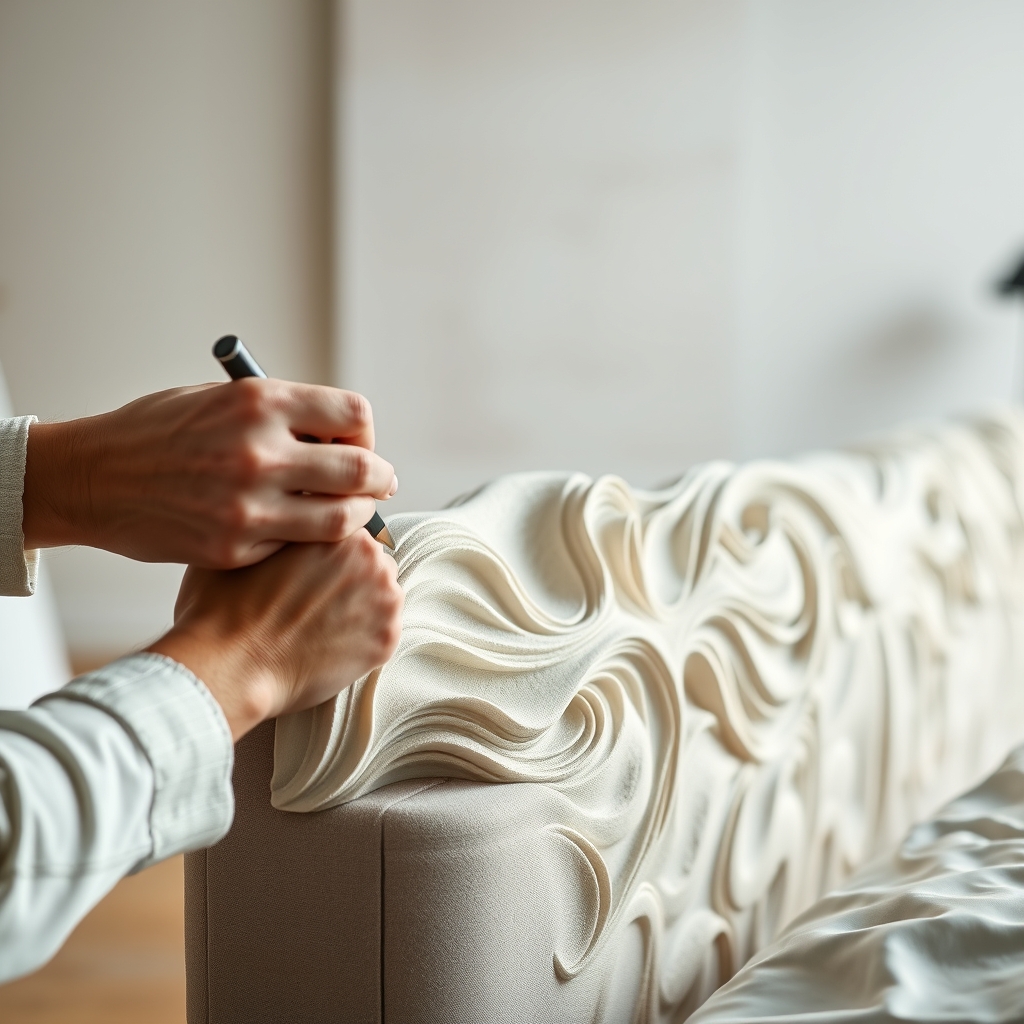
How to Plan and Build a Sculpted Organic Texture Headboard
Transforming your bedroom with a sculpted organic texture headboard is entirely achievable—even without advanced woodworking or interior design skills. Follow these steps to bring natural artistry into your sleep space:
- Define the Mood and Texture
Consider what inspires you—bark, subtle ripples, woven patterns, or hand-carved contours? Gather visual references from reputable sources, such as the bedroom feature wall ideas resource, to discover trending surface effects. - Select Sustainable Core Materials
Choose between hardwoods (oak, walnut), rattan, or eco-performance fabrics. Pay attention to certified sources—look for FSC-certified woods. Rattan and wicker offer softer textures. For inspiration, review bedroom wall panel guides on material choices. - Choose Your Technique: Prefab, DIY, or Custom
Decide if you want a ready-made sculpted headboard, a DIY build, or a custom fabrication from an artisan. Prefab panels offer easy installation and consistency, while DIY allows for unique shapes (try layering wood or molding plaster). Custom fabrication delivers high artistic detail but at a premium price. - Map Your Installation Plan
Measure wall dimensions carefully and use a level. For wall-mounted designs, locate the studs and test fit panels before final placement. For inspiration, check our guide on how to hang wall art. - Install, Seal, and Finish Surfaces
For wooden headboards, sand and seal all surfaces to highlight organic grain safely. Artisans recommend natural oil or low-VOC finishes. If using plaster or other porous material, consider surface hardeners to prevent dusting. - Accent with Lighting
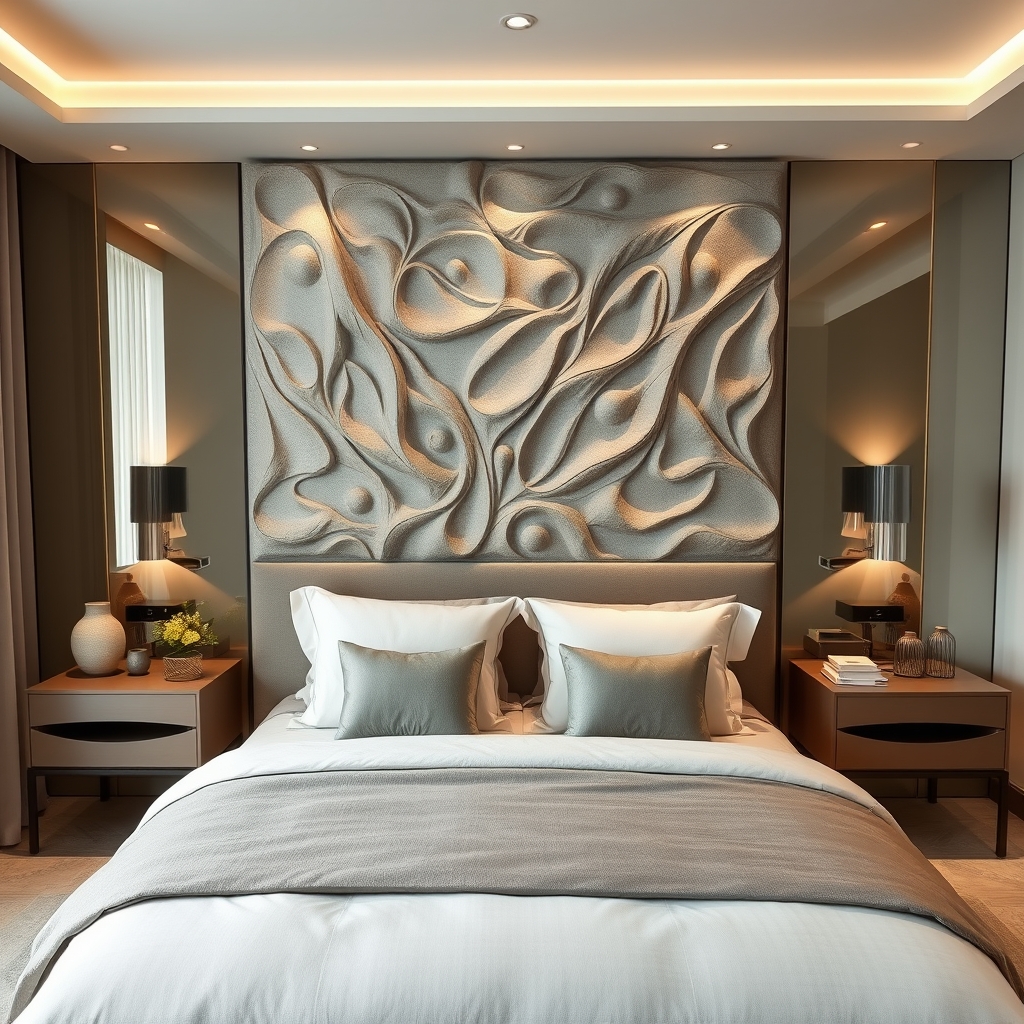
Indirect lighting (LED strip or wall sconces) dramatically enhances the 3D effect. For ideas, see our insights on bedroom lighting designs. - Maintain With Care
Follow standard headboard care guidelines: dust regularly, wipe gently, and avoid harsh chemicals. Learn more with our bedroom headboard cleaning tips.
Advanced Analysis & Common Pitfalls
While the market for sculpted organic texture headboards is growing (source), several challenges persist—often overlooked by standard design articles.
- Inadequate Wall Preparation: Neglecting to reinforce the wall can lead to sagging or instability, especially for heavier wood or custom-carved headboards.
- Poor Material Selection: Not all woods or eco-materials perform equally. For example, some softer woods offer great texture but dent easily, while untreated plaster may chip or dust if unsealed.
- DIY Fatigue and Tool Gaps: Without proper tools or skill, achieving a consistent sculpted look is challenging. DIY plaster or advanced carving work often results in uneven surfaces or rough edges.
- Maintenance Shortfalls: Organic surfaces like rattan can collect dust in crevices, and certain finishes are hard to repair or match if scratched.
- Lack of Transparency on Installation Time and Costs: Very few guides give actual cost or time breakdowns—for example, custom sculpted panels may take weeks and cost far more than prefab options.
| Material | Texture Effect | Durability | Maintenance | Installation Complexity |
|---|---|---|---|---|
| Solid Oak/Walnut | Carved grain, bark, or undulating | High | Low to Moderate | Advanced (heavy, needs support) |
| Rattan/Wicker | Braided, natural weave | Medium | Moderate (dust prone) | Easy to Moderate |
| Plaster (Eco-blend) | Custom molded, water or stone effects | Medium (needs sealing) | High (chips, dusts if not sealed) | Advanced (messy, fast setting) |
| Performance Fabric on Panel | Upholstered, tactile | High | Low (vacuum clean) | Easy (usually prefabbed) |
Remember: market data indicates cost and performance vary widely—solid wood and artisan-crafted options can be expensive [source], while prefab and performance-based panels prioritize ease over texture depth.
Conclusion
Sculpted organic texture headboards breathe new life into bedroom design, blending sustainability with tactile depth for truly personal sleep spaces. The intersection of market growth, evolving material science, and creative installation makes these headboards accessible yet unique—provided you take care to choose the right materials and plan for installation and maintenance. For long term satisfaction, consider your lifestyle and research options carefully.
Ready to experience the tactile luxury and visual drama of a bedroom sculpted organic texture headboard? Explore our resource library for more detailed guides, or connect with a trusted local specialist for a custom quote today.
FAQ
What materials are best for a sculpted organic texture headboard?
Oak, walnut, and rattan are top choices. Each balances durability with the ability to carve or weave intricate textures. Eco-friendly performance fabrics are also gaining traction for upholstered tactile panels. Refer to bedroom wall panel guide for more material insights.
How long does it take to install a 3D sculpted headboard?
It varies: a prefab panel can be done in a few hours; a fully custom artisan-carved piece might take several days between construction and installation. DIY builds tend to take 1–2 weekends, depending on complexity.
Are textured headboards difficult to maintain?
Somewhat—deeper grooves and organic shapes collect dust. Choose wood or fabric finishes that are easy to clean. Avoid harsh chemicals and stick to low-VOC cleaning solutions.
Can I make a sculpted headboard myself?
Yes, if you have some DIY skills and tools. Layered reclaimed wood, textured plaster, or simple bent plywood are achievable at home. Always prototype your design before full assembly.
Where can I find more inspiration and design tips?
Visit our bedroom feature wall ideas and how to hang wall art articles. These resources are full of step-by-step instructions and fresh concepts for texture and style.