

Table of Contents
### Blog Post:
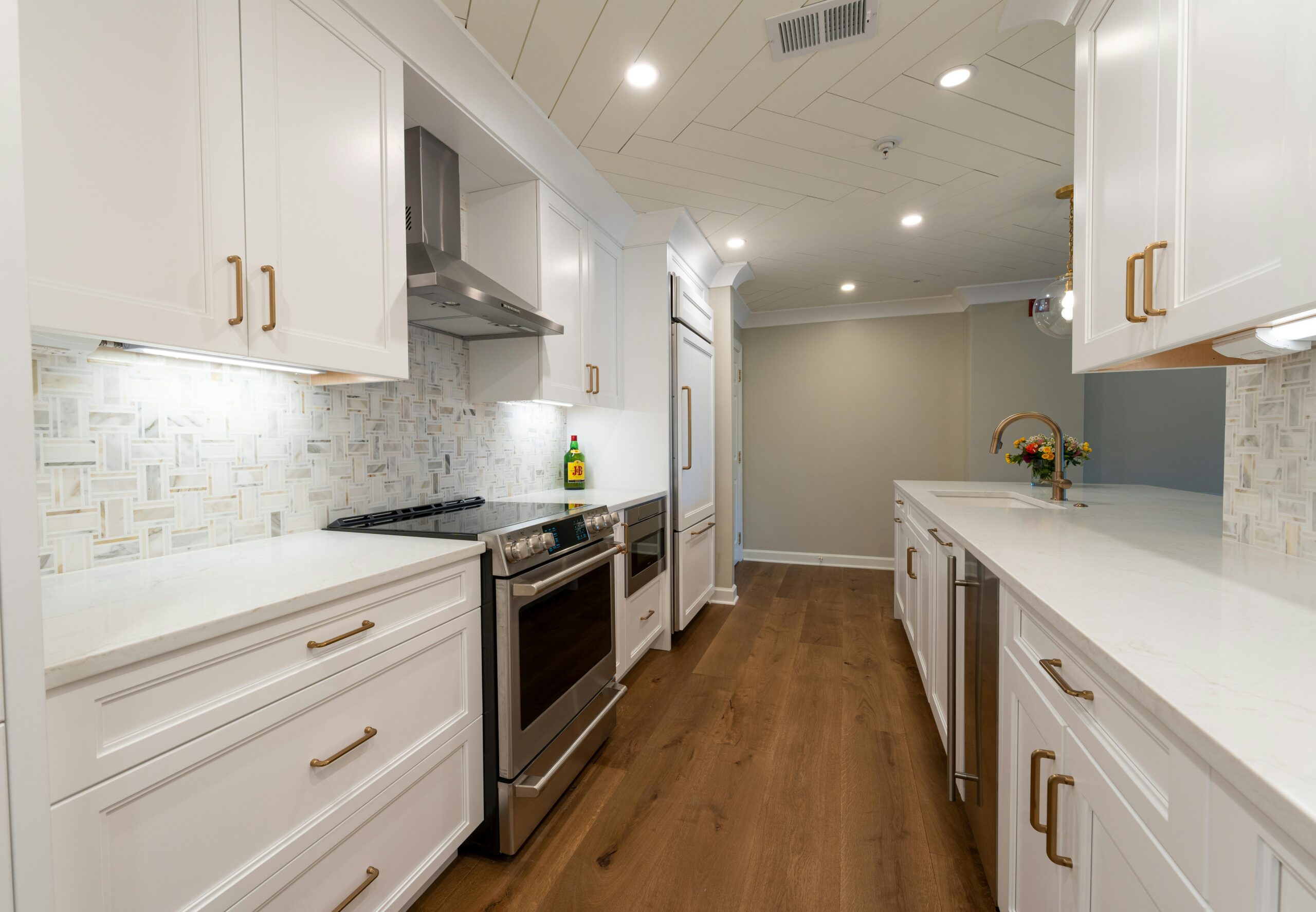
Age in place kitchen remodel strategies are transforming how homeowners plan for safety, accessibility, and long-term independence in the kitchen. With modern design trends and growing demand from aging baby boomers and Gen X households, a thoughtful remodel now means more than just updated looks. It is about making sure your kitchen adapts with you—or your loved ones—for decades of safe, comfortable living.
What Is an Age in Place Kitchen Remodel & Why Does It Matter?
Age in place kitchen remodels focus on future-proofing your kitchen so that it stays usable, safe, and comfortable as you age or support aging family members.
Instead of waiting until accessibility challenges become urgent, proactive changes—like lowering counters, adding pullout shelves, or choosing non-slip floors—help keep the heart of the home accessible for everyone. Why is this important? By 2026, 53% of U.S. homeowners remodeling their kitchens were already incorporating features for current or future needs, up from 48% just a year before. These numbers show a clear trend: designing with longevity and flexibility in mind isn’t just smart, it’s becoming the new standard. Demand is driven by value—easier daily living, fewer risks, and stronger resale appeal, especially as buyers look for “universal” homes.
Step-by-Step Guide to Planning an Age in Place Kitchen Remodel
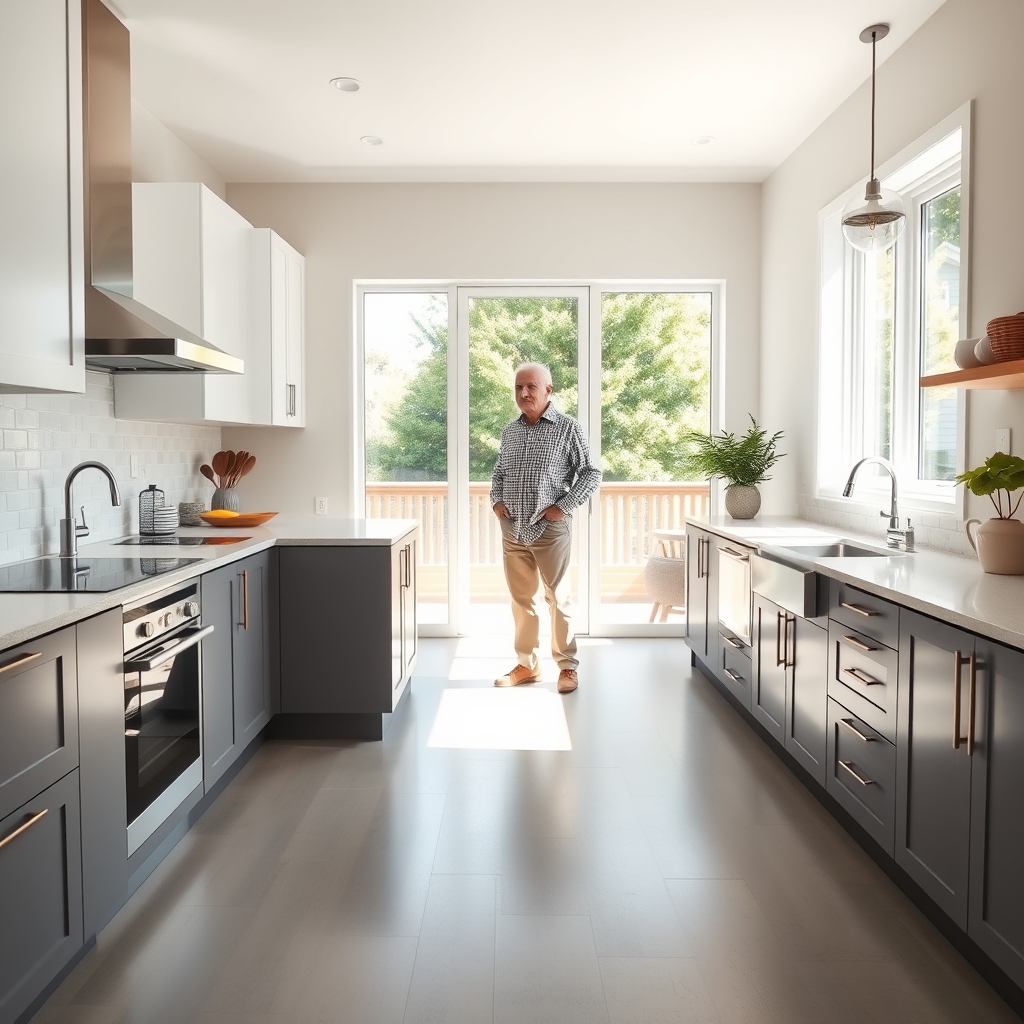
Start with these key planning steps to make your kitchen ready for long-term usability:
- Assess Future Needs: Think about how needs might change. Mobility, reach, and vision can shift over time. Consulting with an occupational therapist or certified aging-in-place specialist can help identify potential trouble spots.
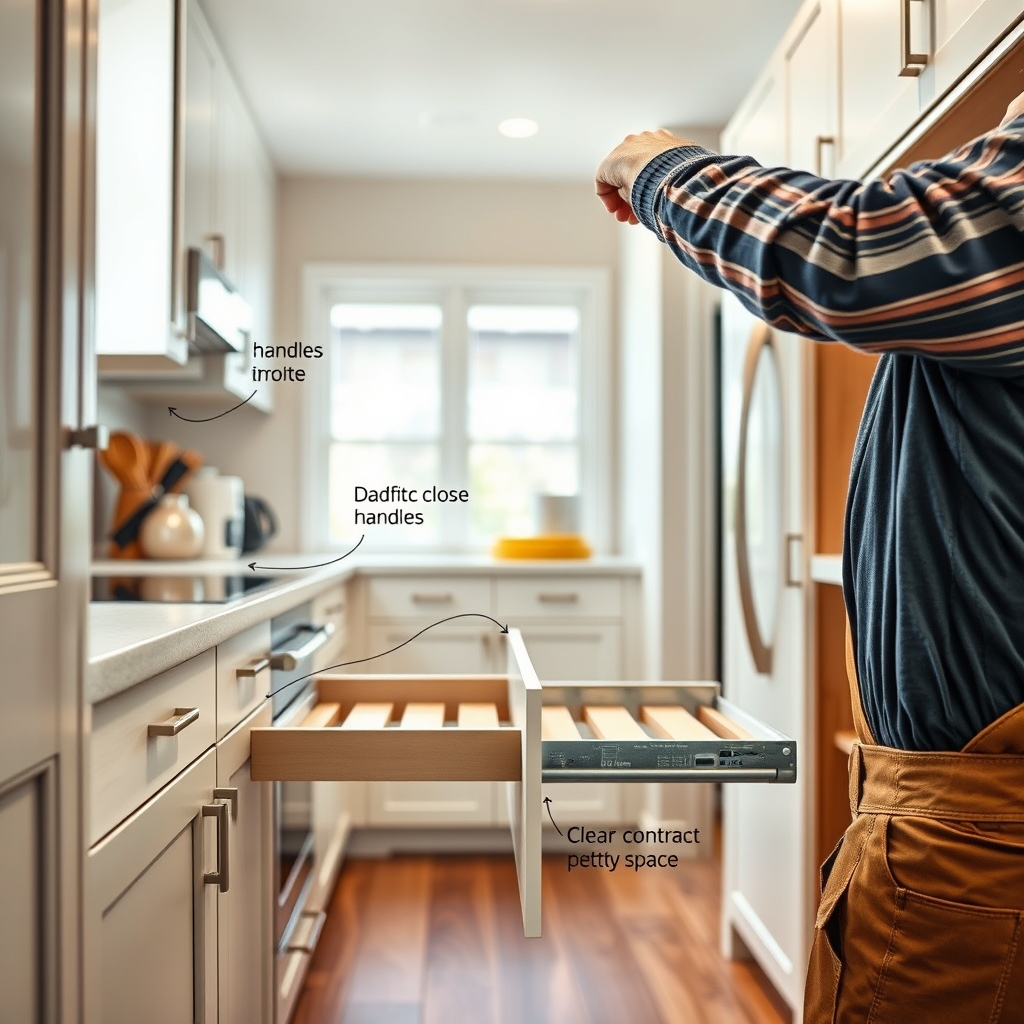
- Prioritize Accessible Features: The most popular features in 2026 remodels include pullout base cabinets (59%), new or upgraded lighting (51%), wide drawer pulls (44%), rounded countertop edges (34%), and non-slip flooring (32%)[source].
- Maximize Storage Efficiency: Plan for lower cabinet storage, tray drawers, and pullout bins to keep everything within reach. Specialty storage solutions are now expected: 94% of new cabinets include these features.
- Plan Lighting and Visibility: Layered task, ambient, and accent lighting reduce shadows and accidents. Consider under-cabinet LEDs and easily accessible switches.
- Evaluate Appliance Placement: Opt for wall ovens at waist height, side-opening microwave drawers, and refrigerators with full-width pullout shelves or freezers at the bottom for easier access.
Want more ideas? Check out our guide on kitchen safety modifications for seniors to create an even safer cooking area.
Remember, renovating with accessibility in mind is about flexibility, not just immediate needs. Even younger Gen X households (the dominant group for remodels at $22,000 median spend[source]) are following these trends, ensuring kitchens remain safe, usable, and resale-ready when life circumstances change.
For guidance on adaptable cabinets and upgrading kitchen lighting, refer to our dedicated resource: custom kitchen cabinet upgrades.
Advanced Analysis & Common Pitfalls
While the shift to age in place kitchen remodels is gaining ground, real-world projects can hit snags. Here are the top pitfalls and cost comparisons you should know:
- Incomplete Upgrades: Some homeowners focus only on cabinet hardware—like adding wide pulls—but skip critical safety features, such as non-slip flooring or lighting. These partial updates may limit long-term safety.
- Underestimating Costs: While basic remodels can start at $15,000, the average “minor” kitchen overhaul with modern amenities in 2026 was $28,458, and midrange projects reached $82,793[source]. Luxury upgrades can soar past $154,000. Planning for universal design elements—like rounded countertop edges—fits most budgets, but extensive retrofits add up fast.
- Lack of Building Code Guidance: As of 2026, there are no universally adopted U.S. codes for kitchen-specific non-slip flooring or counter edge safety, so contractors may not proactively suggest these features unless you ask. Always confirm local compliance and ask for product specifications.
- Forgetting User Experience: Feedback loops are critical. Sources do not report wide user feedback on the durability of wide drawer pulls or comfort of rounded edges. Test components in person and prioritize items with long warranties and strong grip.
- Missed Storage Innovations: High-impact upgrades, like tray drawers and deep pullout bins, are now expected. If these are missing, your remodel may fall short for both convenience and resale desirability.
| Remodel Type | Avg. Cost (2026) | Key Features | ROI |
|---|---|---|---|
| Minor Remodel (with age in place) | $28,458 | Pullout storage, new fronts, basic appliances, lighting, flooring | 112.9% |
| Major Midrange Remodel | $82,793 | Custom cabinets, advanced storage, upgraded counters, new appliances | 50.9% |
| Major Upscale Remodel | $164,104 | Luxury appliances, custom details, full accessibility | 35.7% |
If you are considering updates to open up floor space or make your kitchen safer overall, our article on kitchen renovation ideas for small spaces has extra practical advice for maximizing every square foot.
Conclusion
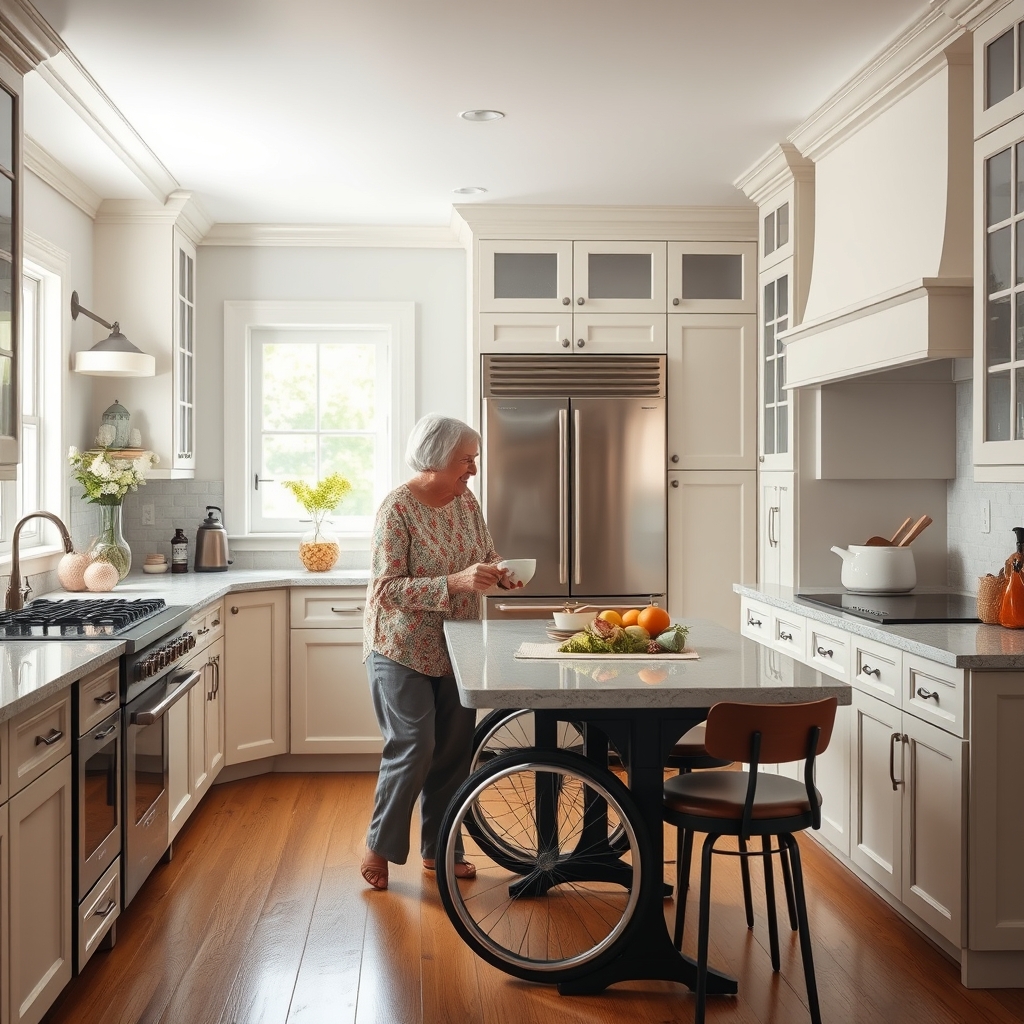
Planning an age in place kitchen remodel is not just about short-term convenience—it’s an investment in lifelong comfort, safety, and home value. As more homeowners upgrade for accessibility, features like pullout shelves, rounded edges, and non-slip flooring are moving from “nice to have” to essentials. Thoughtful planning now can prevent costly fixes later. If you’re ready to reimagine your kitchen for the future, start by exploring your top options and consult with professionals who understand universal design. Let your next kitchen renovation be an upgrade you’ll appreciate for decades to come.
Need specific advice? Dive deeper into bathroom renovation for aging in place or see affordable accessible home improvements for every area of the house. Don’t wait—make your kitchen future-proof, starting today.
Frequently Asked Questions
What is the most important feature in an age in place kitchen remodel?
Pullout base cabinets and specialty storage consistently top homeowner priorities, making every item more accessible and reducing the need for awkward reaching or bending.
Do these upgrades impact resale value?
Yes. Data shows age in place features boost ROI—minor remodels with accessibility upgrades recoup up to 112.9% of project cost, appealing to a broader buyer pool.
How do I choose non-slip flooring for my kitchen?
Opt for textured, matte-finish tiles or luxury vinyl with slip-resistant ratings. Confirm with your contractor that flooring meets or exceeds local building standards, even if national codes are lacking.
Are there building codes for accessible kitchens?
Currently, there are no standardized U.S. building codes for kitchen-specific accessibility, like non-slip flooring or rounded counters. Always ask contractors to supply product specifications and research your local requirements.
How can I make a small kitchen age-friendly?
Focus on maximizing reach with pullout drawers, adding compact appliance garages, and using corner carousel storage. For space-saving ideas, see our kitchen renovation ideas for small spaces.
—