

Table of Contents
Upholstered platform bed frames have become the top pick for style-focused sleepers who want comfort, support, and a statement piece—all without the need for a bulky box spring. But what’s the catch behind the Instagram look? Here’s the straight talk on why these beds dominate today’s bedroom market and what most guides don’t tell you before you buy.
What is an Upholstered Platform Bed and Why Choose One?
An upholstered platform bed is a bed frame with a built-in slat or plank system (“platform”) that supports your mattress directly—no box spring needed—and is wrapped in soft fabric for comfort and visual appeal. The upholstered design usually features a fabric-covered headboard, sometimes with tufting or panel details. Platform construction means lower overall height and a sleeker profile compared to traditional bed frames.

This style is quickly taking over U.S. bedrooms, especially the premium market, because it matches modern décor, supports memory foam/hybrid mattresses, and often comes with storage or showpiece headboards. Upholstered beds are favored for their “hotel look,” ease of setup, and their ability to make any mattress feel more finished—even on a budget.
If you’re eyeing popular trends like velvet, performance linen, or sculpted headboards, be aware: not all upholstered platform beds are created equal. Factors like slat design, hardware quality, and fabric type determine how long your bed stays quiet, supportive, and stain-free.
To learn how layered lighting can level up your new bedroom look, check out our full Japandi bedroom lighting guide.
How to Choose the Right Upholstered Platform Bed: A Step-by-Step Guide
- Start with Your Mattress and Room Size: Measure both. Upholstered frames extend 2–6 inches beyond mattress edges. Confirm wall clearance and the visible height of the headboard against your mattress thickness.
- Identify Your Priorities:
- Style only (fabrics, headboard design, color)?
- Extra storage (drawers or lift-up mechanism)?
- Ease of maintenance (pet-friendly, low-pilling fabric)?
- Check Structural Details Before You Buy:
- Slat spacing should be ≤3 inches for foam mattresses; hybrids are OK up to 4 inches, but closer is always better.
- Look for at least 2–3 central support legs and a continuous center rail for queen/king sizes.
- If total weight (mattress + sleepers) approaches 400+ lbs, avoid the cheapest models with basic slats or plastic center legs.
- Evaluate Upholstery and Padding:
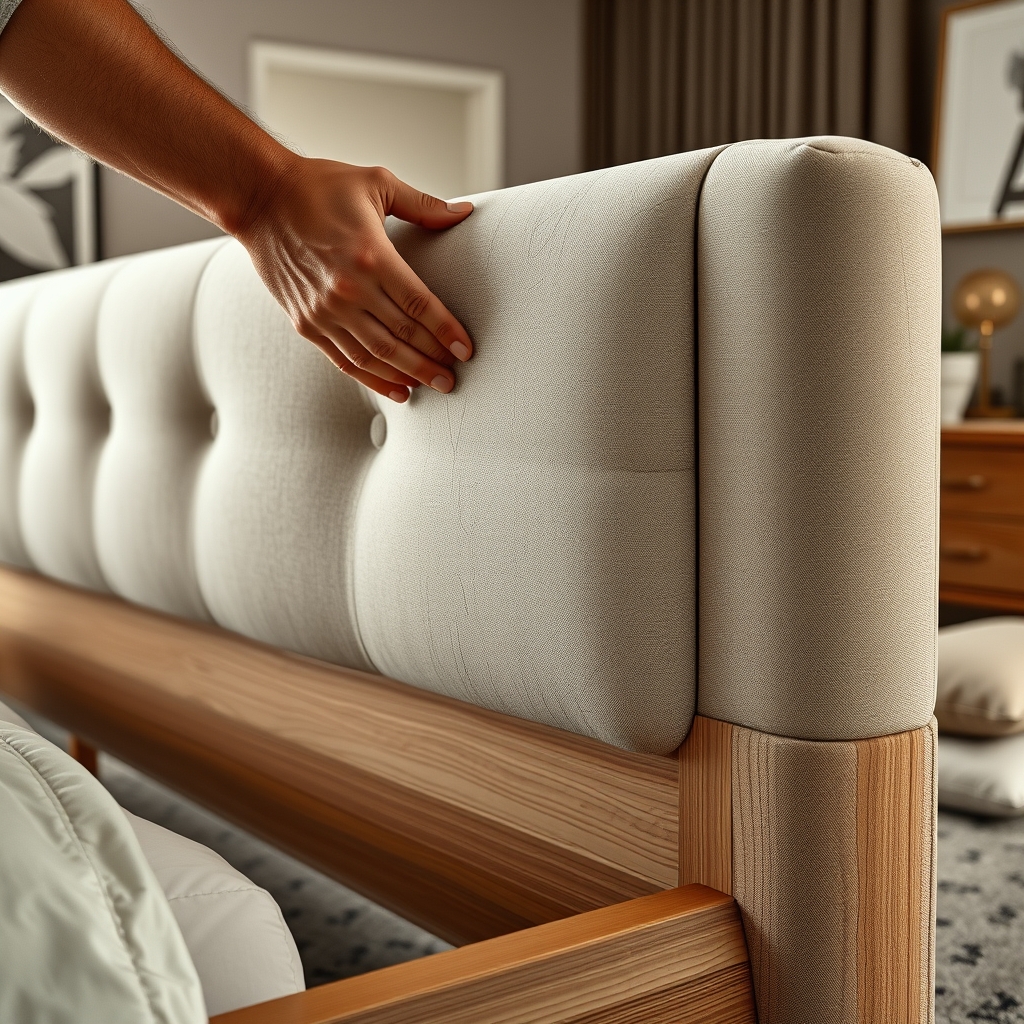
- Performance velvet and high-test polyester are top picks for stain resistance and fewer pet snags.
- Avoid lightly padded headboards if you plan to lounge upright; check for consistent foam fill.
- Research Assembly Requirements:
- Check reviews for assembly time, clear labeling, and hardware issues. Storage beds can double the work and weight.
- If solo, make sure the bed arrives in manageable boxes (some are extremely heavy/pieces stored inside headboard).
- Factor in Maintenance and Cleaning:
- Vacuum regularly and spot-clean with approved cleaners—never saturate velvet or linen with water.
- Scotchgard-type sprays are a must for light and bright colors, especially with kids or pets.
- Check Warranty and Spec Sheet:
- Request slat count, thickness, exact slat spacing, total weight limit, and cleaning recommendations in writing—most listings gloss over these details.
Looking for ways to blend statement lighting and furniture seamlessly? See our tips for color-rich walls—a perfect match for bold upholstered beds.
Advanced Analysis: Common Pitfalls, Costs, and Real User Issues
Not all that glitters is gold. Here’s where most buyers run into trouble with upholstered platform beds—and how to avoid disappointment.
Common Pitfalls and Complaints
- Assembly Frustrations: Missing, mislabeled parts and poor assembly diagrams are widespread. Expect at least 1–2 hours of work; for beds with drawers or ottoman storage, 2–4 hours is average. Hardware quality (especially plastic center supports) is often the first failure point.
- Squeaks and Instability: Loose bolts and misaligned holes mean squeaking joints and wobbling—for heavy mattresses or lively households, the risk rises sharply after a year.
- Slat Problems: Wide-slatted beds (<4 inches apart) can void your new mattress warranty, and support is inconsistent. Many foam mattresses require ≤3-inch spacing to avoid sagging.
- Fabric Durability: Cheap velvet and polyester fabrics pill quickly, snag with pets, and stain with even mild spills. Few sellers explain how to clean or what cleaners are safe without voiding warranty.
- For high-sunlight rooms: expect fading/yellowing on pale velvets within 1–2 years.
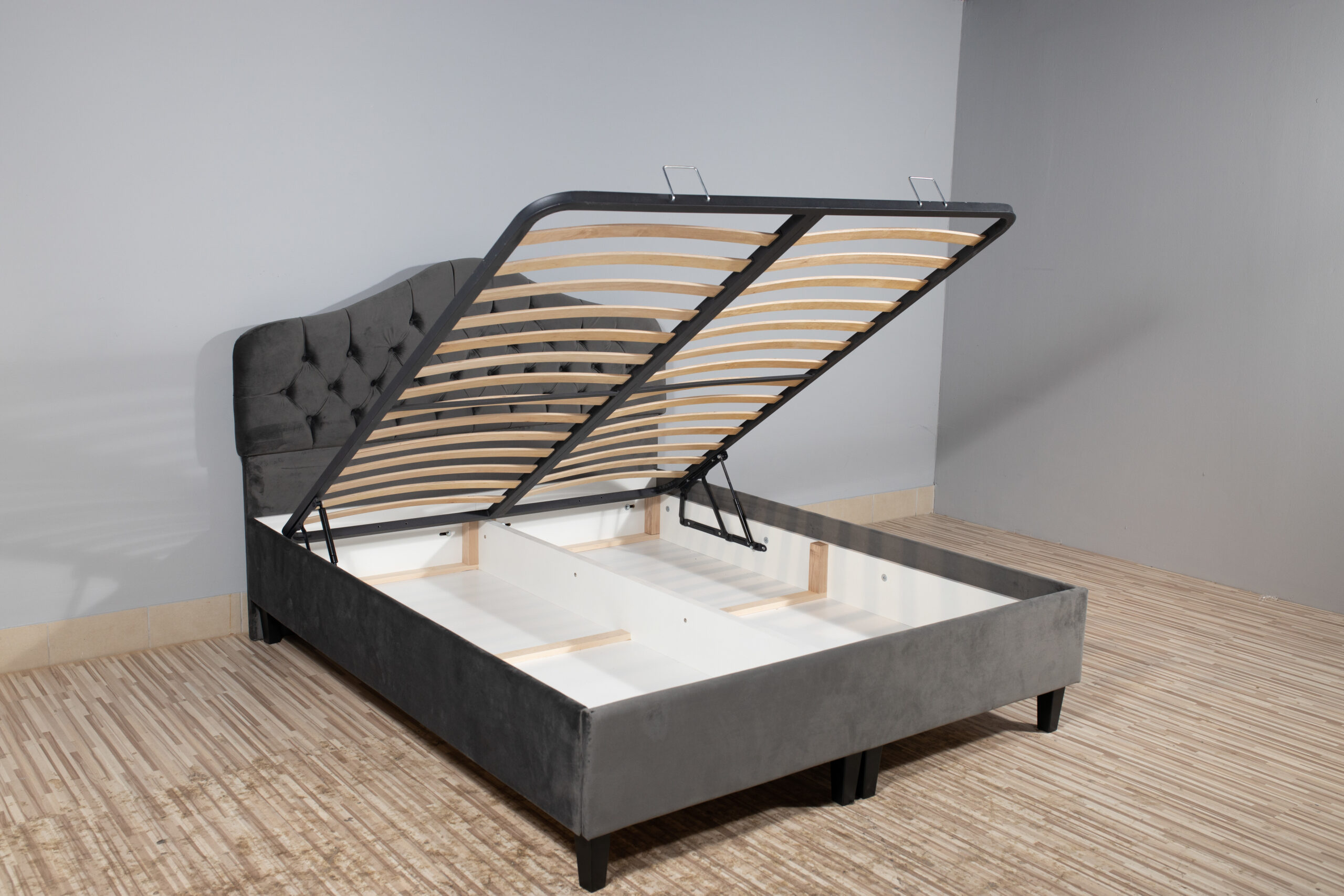
- Storage Drawers/Lift Mechanisms: Great on paper, but users report poor fit, limited depth, drawers falling off tracks, or gas-lift struts becoming stiff (or failing) within 1–2 years.
Cost Comparison Table (Queen Size, 2024)
| Type | Price Range (USD) | What You Get |
|---|---|---|
| Basic Upholstered Platform (polyester/linen, no storage) |
$180 – $350 | Metal/wood, fabric wrap, basic slats |
| Mid-Range Upholstered Platform (better fabric, padded headboard) |
$350 – $650 | Extra padding, robust slats, more stylish frame |
| Velvet Upholstered Platform (no storage) |
$250 – $600 | Performance velvet, tufted/channel styling |
| Channel-Tufted/Panel Headboard | $300 – $800 | Statement headboard, premium upholstery |
| Upholstered Platform w/Drawers | $350 – $800 | Underbed storage, heavier frame |
| Lift-Up Ottoman Storage | $500 – $1,200+ | Gas-lift platform, large storage cavity |
| Premium DTC/Designer | $900 – $2,000+ | Solid wood, custom fabric, upgrades |
Curious how different materials and features impact cost? See how mechanical furniture also balances practicality and design.
Longevity and Support: Upholstered Platform vs. Traditional Platform + Box Spring
- Well-built upholstered platforms (as shown in 2024 global bed frame studies) match durability of classic wood/metal frames—if slats, center rails, and upholstery are robust.
- Low-end models (market drivers here) show breakage and noisy joints within 1–2 years, especially under heavier loads.
- Traditional box spring setups are simpler—fewer fabric issues, but take up more space and usually lack the style or storage options of an upholstered platform bed.
- Cleaning and hardware checks are ongoing needs; neglect leads to fabric wear or joint looseness, regardless of price tier.
Other Common Pitfalls
- Misjudging overall height: platform beds sit lower, and a 14″+ mattress can minimize visible headboard.
- Picking fabric by look only: performance or “pet-friendly” options matter more long term—see our boucle chair guide for fabric care differences.
- Assuming all storage is equal: drawer beds lose underbed clearance (can’t fit robot vacuums or storage bins), lift-up beds can be tricky to open/close regularly.
Be sure to consider actual user satisfaction: non-storage versions get higher average scores (4.2–4.6/5) with fewer extreme complaints than storage versions (3.9–4.4/5), where mechanical problems are more common.

For a look at beds that maximize storage without losing style, see the evolving market for storage ottoman beds.
Conclusion: Should You Buy an Upholstered Platform Bed?
Upholstered platform beds combine comfort, modern style, and practical features like storage, but require research beyond the marketing photos. Carefully check slat design, support hardware, and cleaning needs to ensure your investment delivers quiet nights and long-term value. A upholstered platform bed is a solid choice if you prioritize style, like a lower profile, and are willing to maintain the fabric. Compare storage vs. standard frames for your lifestyle and don’t hesitate to request the full spec sheet before ordering.
Ready to upgrade your sleep setup? Explore our full guides on storage beds, sculpted headboards, and layered lighting—or jump straight to the best picks for cordless bedroom lamps and organic texture headboards. Sleep better, stylishly.
Frequently Asked Questions
Do I need a box spring with an upholstered platform bed?
No, platform beds are designed to support your mattress directly. Using a box spring may void the low-profile look and raise the height more than intended.
Are upholstered beds pet-friendly?
Performance fabrics (like treated velvet or polyester blends) are better for pet households. Loose-weave linen and low-cost velvet tend to snag easily on claws and show fur.
How long do upholstered platform beds last?
A well-built frame can last 5–10 years or longer. Lower-cost models may develop slat/squeak issues or upholstery wear within 1–3 years under heavy use.
Can I replace just the fabric if it gets damaged?
Most mainstream upholstered beds are not designed for easy reupholstering, but some premium brands offer custom options or removable covers.
How do I clean stains on my upholstered bed?
Vacuum fabric regularly. For stains, gently blot with a small amount of upholstery cleaner or diluted soap and water if approved by the manufacturer; avoid soaking or scrubbing. Always do a spot test first.