


Table of Contents
### Blog Post:
Floating media console units are redefining living rooms with their streamlined look, but beneath the style lies critical installation, maintenance, and buying realities every homeowner should know.
What Is a Floating Media Console? The Core Concept & Why It Matters
A floating media console is a wall-mounted cabinet designed to organize and display your TV, components, and decor—eliminating the need for floor support. By suspending the unit, you gain easier cleaning access, a more open visual flow, and a distinctly modern profile. The design trend is strong in minimalist, Scandinavian, and modern interiors, but floating consoles remain a niche within the vast entertainment furniture market.
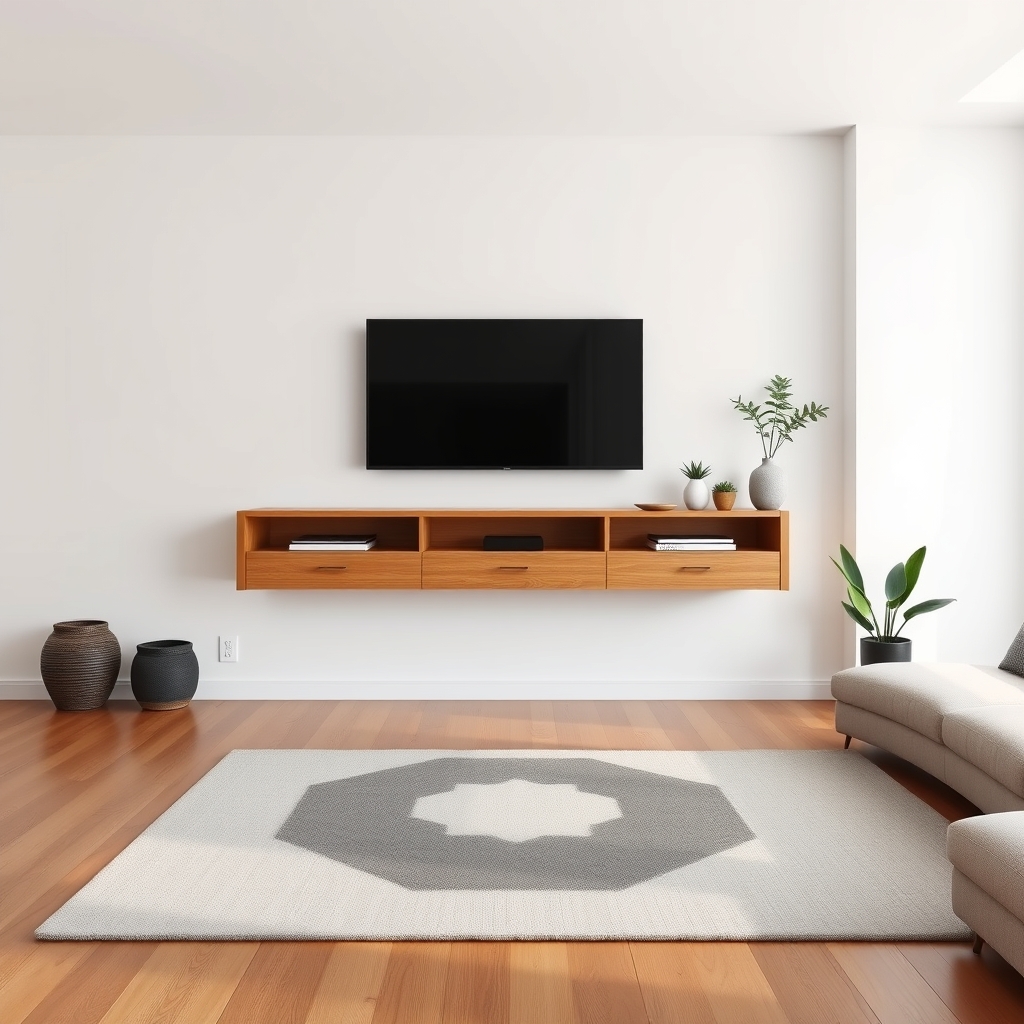
Interest in floating consoles is not mainstream—Google search volume in 2024 is much lower compared to “modern TV stand.” According to Accio’s analysis, even peak search interest for “floating media console” never surpassed 9 on a normalized scale, while more traditional options like “modern TV stand” reached 78. (Source)
Still, demand for clean lines and cable-free setups means floating consoles are increasingly recommended in high-end renovation and design circles. Notably, the most popular styles right now are minimalist modern, modular, mid-century, and industrial—with fluted finish details remaining on trend (Accio).
Broader market context shows that while floating consoles are a sub-niche, the overall entertainment console and TV furniture market is growing steadily, with projected CAGRs of 5.3 to 5.8% through 2033 (Business Research Insights, DataIntelo). For anyone serious about a clutter-free, design-forward living room, the floating option is worth a close look—but it comes with real trade-offs.
How to Install a Floating Media Console: A Step-by-Step, No-Nonsense Guide
A successful floating media console install depends almost entirely on preparation, proper anchoring, and an honest assessment of your wall type and load requirements. Here is the actionable process:
- Plan your console height, location, and wall type.
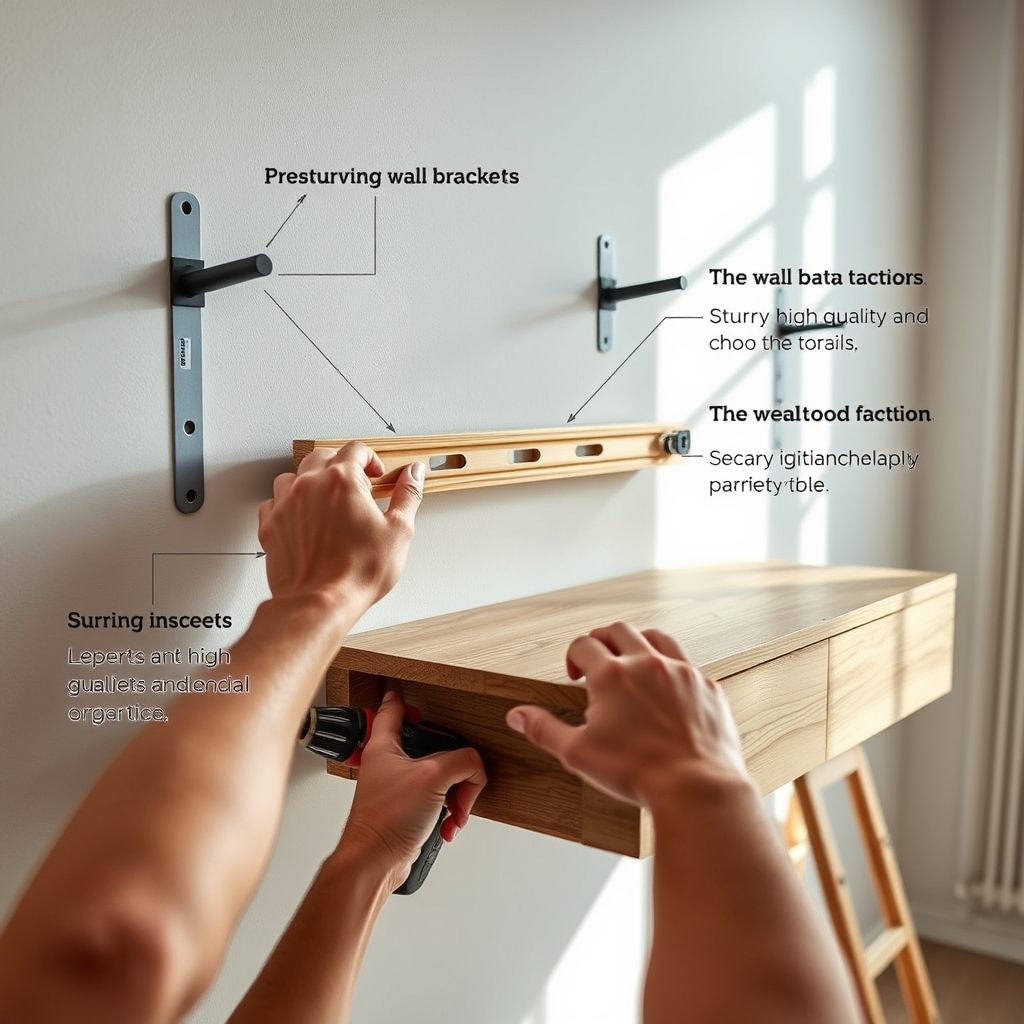
Floating units cannot be mounted just anywhere—your mounting points must align with solid framing or masonry. Mark TV and console centerlines with painter’s tape for clear alignment. - Locate and confirm stud (or structural) positions.
Use a high-quality stud finder, and don’t trust just one reading. If studs are not where you want the console visually, reconsider layout—never trust drywall anchors alone for a loaded, wall-hung unit. - Pre-drill pilot holes and use the factory template.
Most reputable floating consoles include a drilling template. Secure mounting brackets or French cleats into studs using the specified (often lag) screws. - Attach the console securely
With brackets anchored, lift the cabinet onto the supports. Confirm all hardware is tight but avoid overtightening, which can damage studs or wall plates, especially in older homes. - Cable management
Pre-plan where each cable enters/exits the wall, and consider adding outlet cutouts or pass-throughs as needed. For renters or anyone avoiding invasive changes, surface-mounted wire channels are the most reliable low-damage option. - Test the load and perform safety checks
Lightly load the cabinet with books or other moderate weights to check stability before placing your TV and sensitive electronics.
- For masonry or brick walls, use only expanding sleeve anchors rated for at least double your fully loaded cabinet weight.
- If your wall is metal stud-framed, consult a professional—metal studs require specialized hardware and may dramatically reduce load ratings.
Installation time varies widely by experience and wall complexity—expect 1 to 3 hours for an experienced DIYer (excluding cable-in-wall work). Professional installs are often required if power outlets need to be moved or if the console is particularly long or heavy (for example, solid wood models).
Curious about multi-purpose, super-flexible furniture? Discover modular bookcase system options for open-plan spaces.
Advanced Buyer Analysis & Common Pitfalls to Avoid
Success with a floating media console comes down to awareness of the limitations, challenges, and nuances that trend-focused decor blogs often skip.
Top 5 Pain Points After Installation
- Improper anchoring and instability: The most serious risk is mounting into drywall alone—studs are mandatory (Povison).
- Poor cable management: Cables hanging below break the illusion of “floating” and frustrate even experienced installers. Plan exact wire routing in advance to avoid ugly results (Accio).
- Wall damage during install/removal: Drilling errors, wrong anchors, or shifting cabinets often mean patching drywall and repainting if you move the console.
- Exceeding weight ratings: Many users overload units, forgetting the total weight includes electronics, speakers, and decor. Always check the manufacturer’s specs.
- Difficult assembly and poor instructions: This remains the most frequent complaint in floating-unit reviews (Accio).
Comparing Floating Versus Traditional Floor Units
| Feature | Floating Media Console | Floor-Standing Console |
|---|---|---|
| Cleaning access | Excellent (easy sweep/mop/vacuum under unit) | Poor (heavy, blocks floor; must move unit to clean behind/under) |
| Cable management | Challenge—requires in-wall or raceway solution (can be invisible if done well) |
Usually easier, but cables often visible on the floor |
| Visual “weight” | Light; open, floating look | Bulkier; can close off wall and floor visually |
| Installation/removal damage risk | High; removal usually leaves holes or cable pass-throughs | Low; unit stands unsecured, minimal wall repair needed if moved |
| Weight capacity | Constrained by wall, mounting system, and cabinet (must observe strict weight ratings) |
Higher; typically greater load limits |
| Move/re-mount flexibility | Low; wall patching/painting almost always required | High; just move the unit |
| DIY suitability | Advanced; requires tools, precise measuring, and lifting | Easy; generally only requires assembly |
| Style versatility | Modern, minimalist, custom looks | Traditional, maximal storage options |
Brand and Spec Gaps
Leading furniture brands like Ashley Furniture and Whalen Furniture produce floating consoles but rarely publish a standardized comparison of cabinet dimensions, weight limits, and included mounting hardware. Always confirm these before buying, even if you recognize the brand’s reputation (Business Research Insights).
Cleaning & Maintenance Benefits
- Significantly less dust and debris accumulates under a floating console (Povison).
- Aesthetically, wall units help minimize visible clutter and can make a small living room feel more open.
- But: wall-mounts require periodic hardware checks for safety, especially in homes with children or frequent movers.
Material, Wall, and Cost Realities
- Solid wood consoles offer more durability but often require extra-strong wall fasteners or more labor for install, thus typically costing more in both product and installation time.
- Most floating units must be installed into wall studs or solid block/masonry; plaster or brick requires specialized anchors and a much more careful approach.
- Average installation costs are not reliably published for floating units. Expect to pay more if you need electrical or cable routing, especially if done by a pro.
These risks and benefits are echoed with other emerging furniture solutions—see lengthy discussion on cordless accent lamp bedroom and sofa with pull out bed guides which address similar renter and renovator concerns.
Safety Standards & Market Compliance
- US buyers should look for ANSI/BIFMA compliance for furniture stability and anchoring. Even if not labeled, expect reputable manufacturers to follow these core guidelines (Povison).
- Units designed for Europe and the UK are typically required to provide clear load ratings and safety instructions.
- Confirm that all fasteners, brackets, and cleats are rated for at least the total anticipated load.
Wondering about broader color and finish trends? The same fluted and mid-century detail seen on consoles is now popular in kitchen cabinetry—see our in-depth reed glass kitchen cabinet doors guide and color drenching living room trends.
Conclusion: Is a Floating Media Console Right for You?
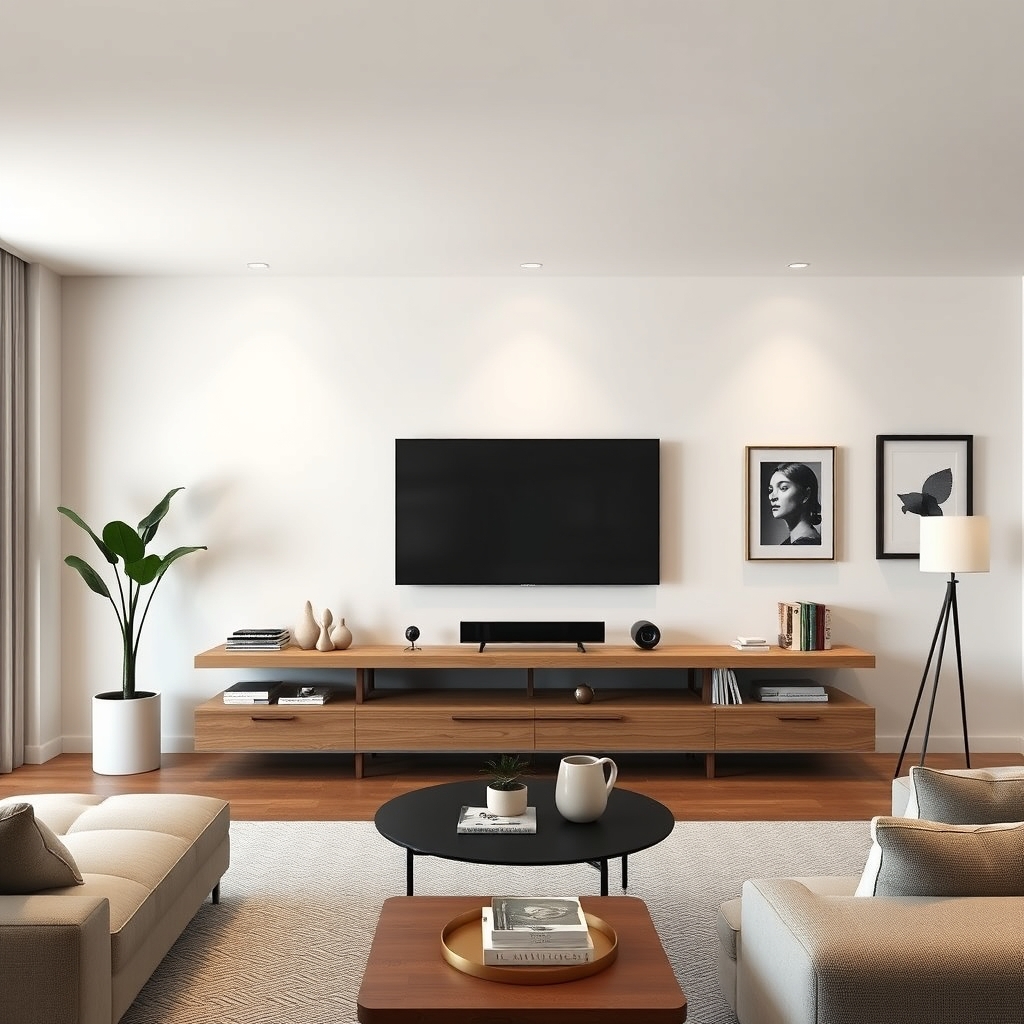
A floating media console is ideal for design-forward buyers seeking a minimalist, clutter-free living room—so long as you’re prepared for the trade-offs. Success depends on careful attention to wall structure, honest assessment of your DIY skills, and strict respect for weight ratings and cable management. Floating consoles solve the cleaning hassle, deliver a striking modern look, and work especially well in open or multiuse spaces. But they require more up-front planning and periodic wall/hardware checks than a traditional floor-standing unit.
Ready to upgrade? Explore more living room solutions in our curved sectional sofa and space-saving expandable dining table reviews—or start planning your floating media console with this checklist in mind.
Take action today: map your wall, check stud spacing, and choose a floating media console that fits your space, your load requirements, and your long-term style.
FAQ: Floating Media Consoles
How much weight can a floating media console safely support?
Weight limits vary by brand and installation. The safe range for most models is 50 to 150 pounds, but always verify both the console and wall anchoring system. Mounting only to drywall will drastically reduce safe capacity.
Can I install a floating media console without drilling into studs?
No, for safety you must anchor into wood studs or solid masonry. Drywall anchors alone are never recommended for a loaded, wall-mounted entertainment unit.
What’s the best way to hide cables for a floating console?
Options include routing cables through the wall (verify code compliance), using surface-mounted raceways that can be painted, or purchasing cables in colors that blend with your wall. Plan routing before installation for the cleanest look.
Is wall damage inevitable if I move or remove the console?
Usually, yes. Most floating consoles require holes for anchors and cable pass-throughs that will need patching and painting if the unit is removed or repositioned.
Are floating media consoles a good choice for renters?
Not always. Unless your landlord permits wall modifications and you are prepared to patch holes when moving out, consider freestanding or minimally invasive solutions.