

Table of Contents
### Blog Post:
Japandi living room furniture is more than a trend—it’s a practical design movement that fuses Japanese minimalism with warm Scandinavian comfort, delivering natural, calming spaces designed for real life. If you’re curious about investing in Japandi pieces or want your living room to strike that coveted balance of sleek and cozy, this guide delivers actionable advice and expert insights based on real user experience and the latest market research.
The Core Concept: What Is Japandi Living Room Furniture—and Why Choose It?
Japandi living room furniture is a hybrid style that draws equally from Japanese restraint and Scandinavian comfort. Expect simple silhouetted sofas, natural wood coffee tables, and functional pieces that keep spaces calm, clutter-free, and inviting. Unlike short-lived decor trends, Japandi is now considered a design philosophy embraced by homeowners for its practicality, easy maintenance, and lasting appeal.
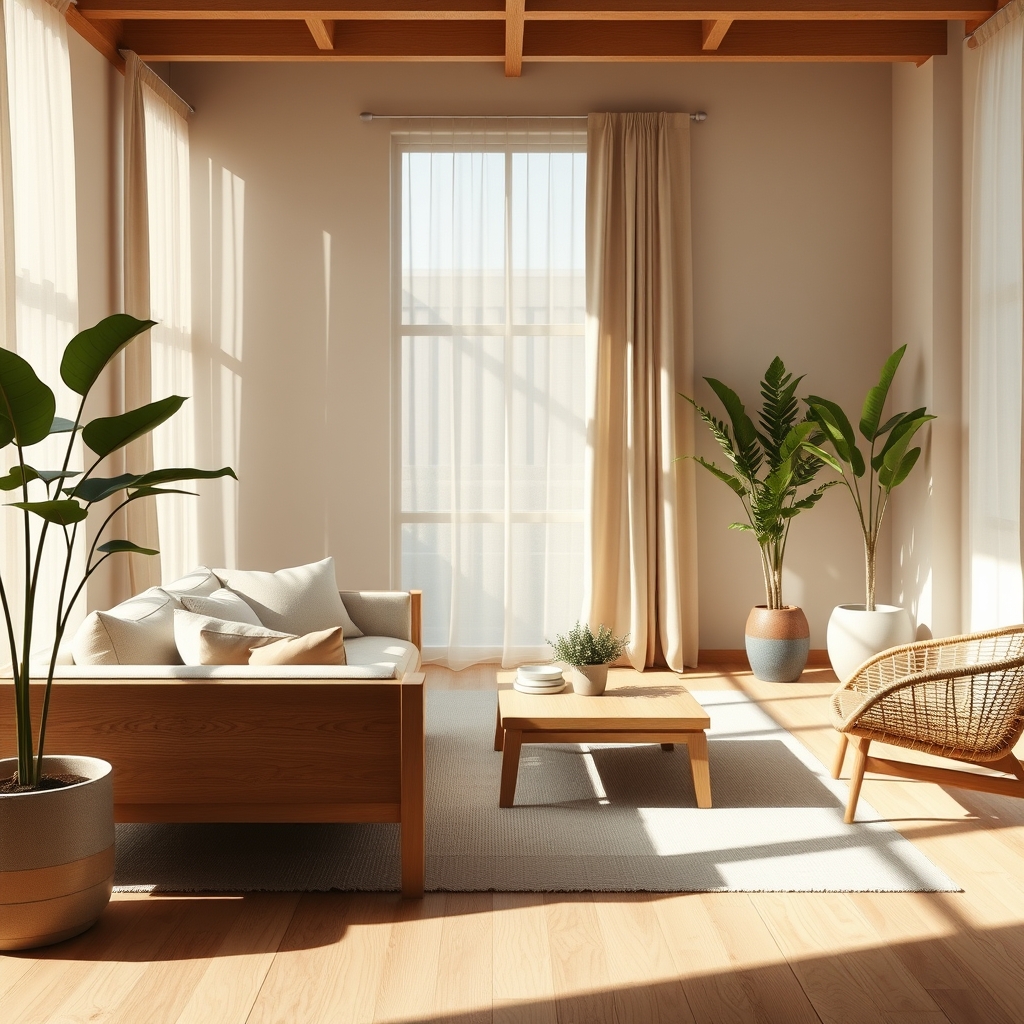
Why invest? The Japanese home furniture market is expected to top USD 29 billion by 2033. Living room pieces like sofas and coffee tables are the primary focus for Japandi’s growth, especially as remote work and compact urban living drive demand for minimalist, space-saving solutions that don’t sacrifice comfort or personality. Japandi also aligns with the global move toward sustainability, using natural materials, neutral colors, and timeless forms.
If you’re looking for living room furniture that actually works in real life—multi-functional, easy to match, and able to withstand everyday use—Japandi is a logical choice. But there are essential factors and trade-offs you need to consider before jumping in. Read on for a practical, step-by-step process grounded in what real users and designers are saying in 2024.
Step-by-Step Guide: How to Create a Japandi Living Room With the Right Furniture
- Decide your main color palette and stick to it.
- Choose two to three base neutrals (soft white, beige, warm gray) and one distinct wood tone. Consistency is key—mixing too many colors or wood grains disrupts the serenity Japandi is known for.
- Prioritize your anchor pieces: sofa and coffee table.
- Invest most of your budget here. Choose a sofa with a clean silhouette but test seat height and depth in person if you can. For coffee tables, opt for a natural wood finish with softly rounded corners.
- Mix soft textiles and tactile materials.
- Favor linen, cotton, bouclé, jute, and wool across rugs, cushions, and throws. Layering textures brings visual interest without clutter—essential for Japandi.
- Leave negative space around your furniture.
- Resist the urge to fill every wall or tabletop. Open space is critical for the Japandi look and makes small living rooms feel larger.
- Choose lighting thoughtfully.
- Replace cool-white bulbs with warm white (2700–3000K). Layer table lamps, wall sconces, and overhead fixtures for a cozy yet streamlined effect.
Explore a battery powered table lamp for living rooms or modern modular lighting systems for adaptability.
- Replace cool-white bulbs with warm white (2700–3000K). Layer table lamps, wall sconces, and overhead fixtures for a cozy yet streamlined effect.
- Keep accessories minimal but functional.
- Favor a few handpicked ceramics, a soft wool throw, or a carved wooden tray over multiple small decorative items.
- Phase in Japandi furniture gradually—don’t force a full overhaul.
- Start with one core piece and make sure it complements what you already own. Build around your anchor sofa or coffee table over time.
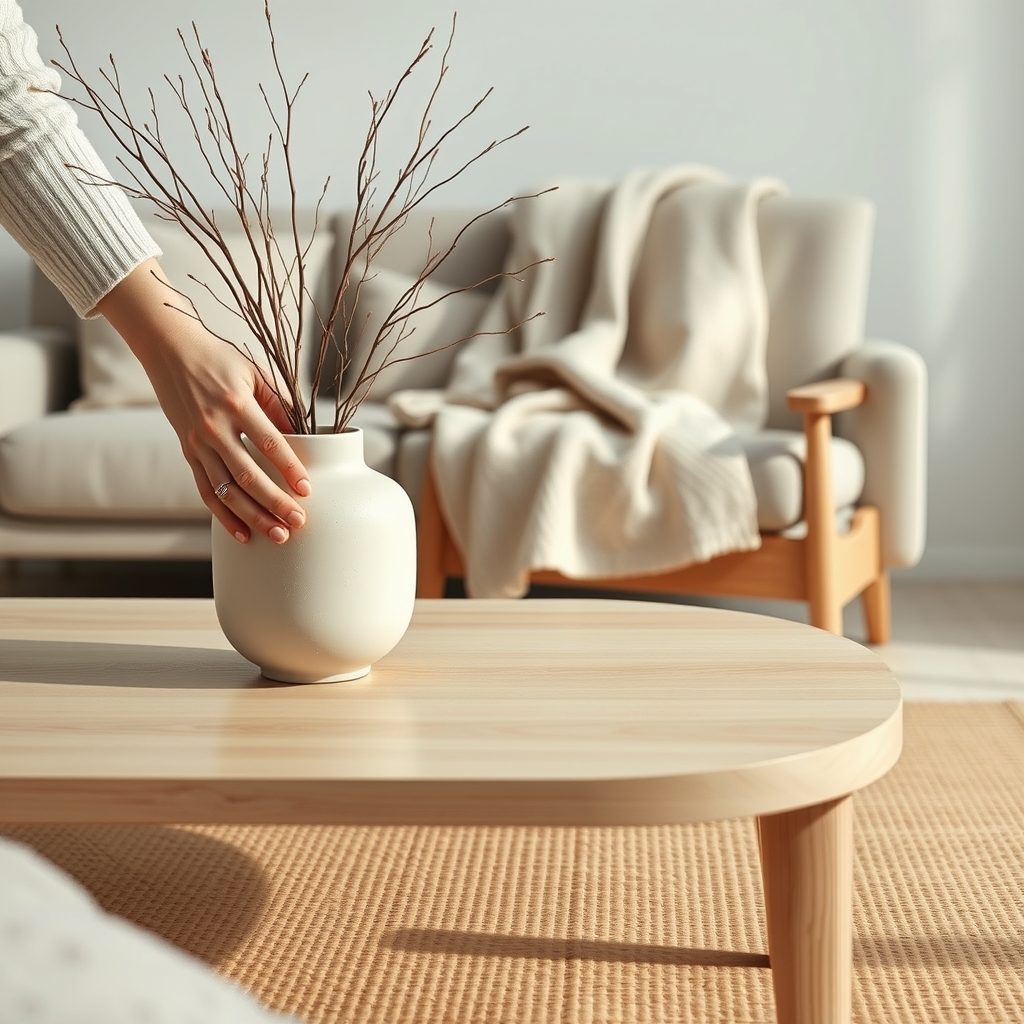
Ready to go further? Deepen your design by layering natural textures. Pair your main Japandi investment piece with an organic fiber rug (wool or jute) and a minimalist modular bookcase to keep lines clean, storage hidden, and visual calm intact.
Real users repeatedly recommend focusing budget on sofa and coffee table, then waiting before adding side tables or shelving. Use accessories sparingly—a single quirky decorative object or unique lamp can finish the look without crowding.
For homes with limited floor space, consider coordinated living room sets or adjustable pieces. As demand for compact, multi-functional furniture surges (see market analysis), explore a functional sofa with pull out bed or a dining table that doubles as a work surface for flexibility.
Advanced Analysis & Common Pitfalls
Achieving a Japandi living room look is not without challenges. Below is a detailed look at common pain points, material issues, and avoidable mistakes based on aggregated user reviews and expert research.
Sofas – Where Good Looks Outpace Comfort
- Many Japandi sofas are firmer and lower than standard. Users over 6 feet or those who love deep lounging often report discomfort. Thin back cushions and shallow seat depths can lead to lower ratings, even if design is praised.
- Cushion sagging and fabric pilling occur after 6–18 months in budget models. Solid oak or ash frames hold up best, but rubberwood and veneer show more wear quickly.
- Color mismatch is a huge issue; wood tones often appear warmer or cooler in person. Small deviations can throw off the entire vibe.
- Assembly can be a pain, especially for flat-pack versions with unclear instructions or missing hardware.
Coffee Tables – Gorgeous, But Sometimes Impractical
- Softwoods like pine or budget rubberwood scratch and stain easily. Veneer can chip or peel if moisture seeps in.
- Lightweight tables can wobble on rugs. Low-slung designs may be awkward for eating or laptop use, especially for tall or older adults.
- Edge sharpness is a real issue for families with young kids—rounded corners are a safer bet.
Core Material Comparison Table
| Wood Type | Durability | Maintenance | Typical Price Impact |
|---|---|---|---|
| Solid Oak | Excellent | Needs periodic re-oiling (if oiled); lacquered is easier for daily care | $$$ |
| Ash | Very Good | Similar to oak; some finishes yellow over time | $$$ |
| Walnut | Excellent | Shows white scratches; needs gentle care | $$$$ |
| Rubberwood | Moderate | Susceptible to dents/scuffs; avoid water | $$ |
| Pine | Low | Very gentle use only; often distressed | $ |
| Engineered Wood + Veneer | Stable core; surface varies | Can’t sand/refinish; avoid prolonged moisture | $–$$ |
Price Ranges—What to Expect in 2024
- Sofas: Entry level (USD 400–900), mid-range (USD 900–1,800), premium (USD 2,000–4,500+).
- Coffee tables: Entry (USD 100–250), mid (USD 250–650), high-end (USD 800+).
- Sets: Expect USD 1,200–2,500 for a coordinated mid-range sofa and coffee table.
For reliability, check for solid wood components and heavy-duty hardware, especially if you have kids or pets. Maintenance matters: untreated light woods and pale linen are magnets for stains and water rings. Opt for performance fabrics if you don’t love extra cleaning.
Common Mistakes to Avoid
- Over-decorating or crowding the space—Japandi rewards restraint.
- Mixing too many wood tones or finishes, which makes the room look chaotic.
- Choosing lighter than practical finishes for high-traffic homes.
- Ignoring ergonomics—firm or low-profile seating is uncomfortable for long TV sessions or lounging.
- Buying small “Japandi” accessories instead of upgrading core pieces.
- Using cool-white rather than warm-white lighting, which kills the cozy atmosphere.
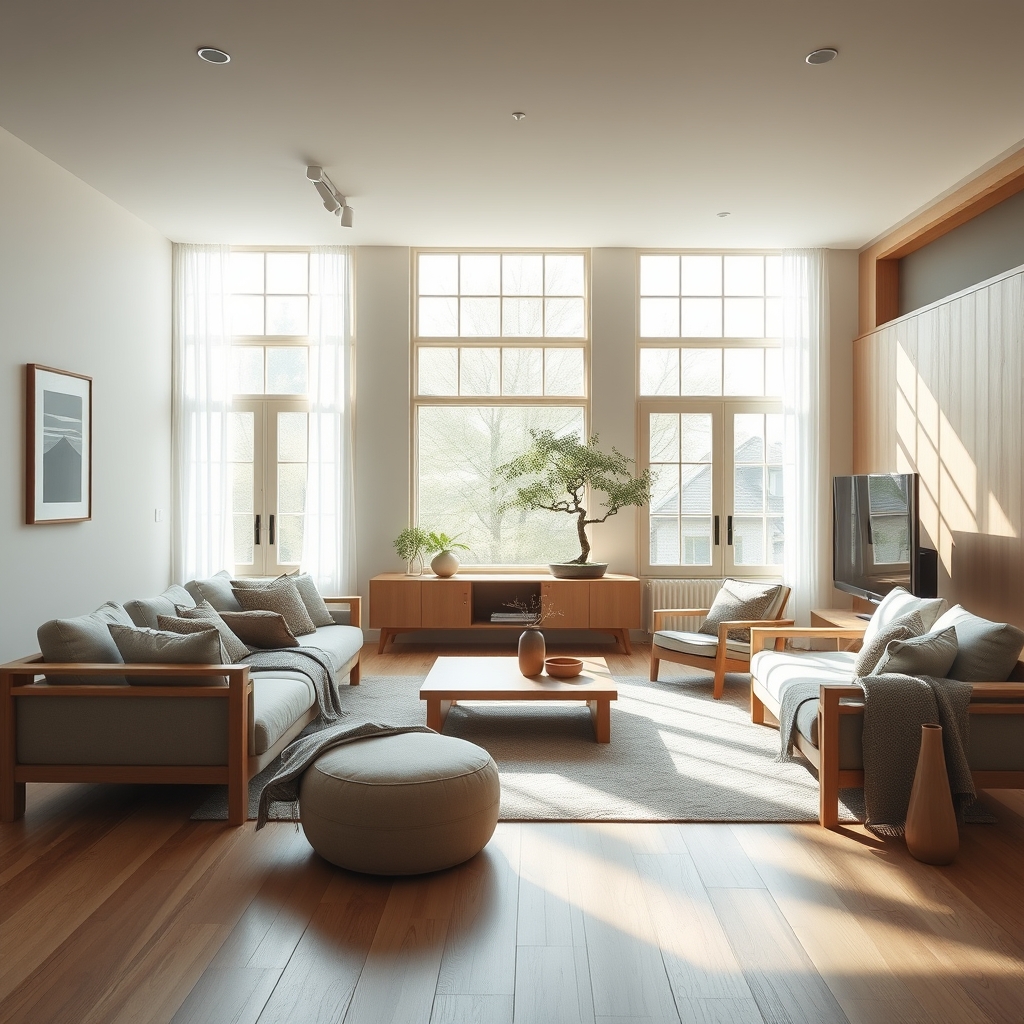
Want to go deeper on lighting? See how Japandi lighting techniques use layers and soft temperature to transform both bedrooms and living rooms into serene retreats.
Conclusion
Japandi living room furniture isn’t just visually pleasing—it provides a highly functional, sustainable solution for anyone looking to create a peaceful, easy-to-maintain home. Focus on quality anchor pieces, consistent materials, and ergonomic comfort, and your investment will pay off in both style and daily satisfaction. Avoid common mistakes by keeping things simple and considering practicality from day one. Looking to get started? Begin your Japandi journey with a single anchor piece and evolve your space around it.
Start now—compare real-world materials, test for comfort, and watch your home become the calm multipurpose oasis you’ve always wanted. For more inspiration on lighting, storage, and other trends that pair beautifully with Japandi living room furniture, check out our guides on modular lighting, expandable tables, and space-saving sofas.
FAQ
How do I keep my Japandi sofa or coffee table looking clean and new?
Stick to performance or stain-resistant fabrics for sofas, and opt for lacquered or sealed wood finishes on tables. Use coasters to prevent water rings, and vacuum cushions and cracks regularly. For untreated woods, occasional re-oiling will keep surfaces fresh.
Is Japandi furniture comfortable for everyday lounging?
Some Japandi sofas are firmer and lower than standard Western models—always check specifications for seat height, depth, and back support. If lounging is a priority, choose models with deeper seats or add extra cushions and throws for added comfort.
What is the average budget to fully outfit a Japandi living room?
On average, you’ll spend USD 1,200–2,500 on a coordinated mid-tier sofa and coffee table. Entry-level sets can run under USD 1,000, while premium artisan pieces can reach USD 5,000+ for a set.
Can Japandi furniture work in very small living rooms?
Absolutely—Japandi’s minimalist, space-efficient approach is ideal for compact layouts. Choose a slim-profile sofa, nesting or expandable tables, and modular shelving to maximize function without crowding the space.
How do I match wood tones for a cohesive Japandi look?
Pick one dominant wood tone for your largest pieces and one secondary accent. Avoid mixing more than two woods, and use accessories or trays to bridge any subtle differences if you have inherited or existing furniture.