

Table of Contents
### Blog Post:
Modular kitchen storage reconfigurable systems are changing the way homeowners and renters maximize every inch of kitchen space. With growing demand for flexible, user-adaptable layouts, understanding how to choose and configure these systems is essential to avoid wasted space, daily frustration, or costly mistakes.
The Core Concept: What Is Modular Kitchen Storage Reconfigurable?
At its heart, reconfigurable modular kitchen storage combines standardized, movable components that you can mix, match, and shift as your cooking habits or kitchen layout change. Think base cabinets, drawer units, wall shelves, and organizers that clip together or stand alone. The “reconfigurable” aspect means you’re not locked into one setup: need more pantry space, or a spot for appliances six months from now? Reshuffle add-ons instead of starting from scratch.
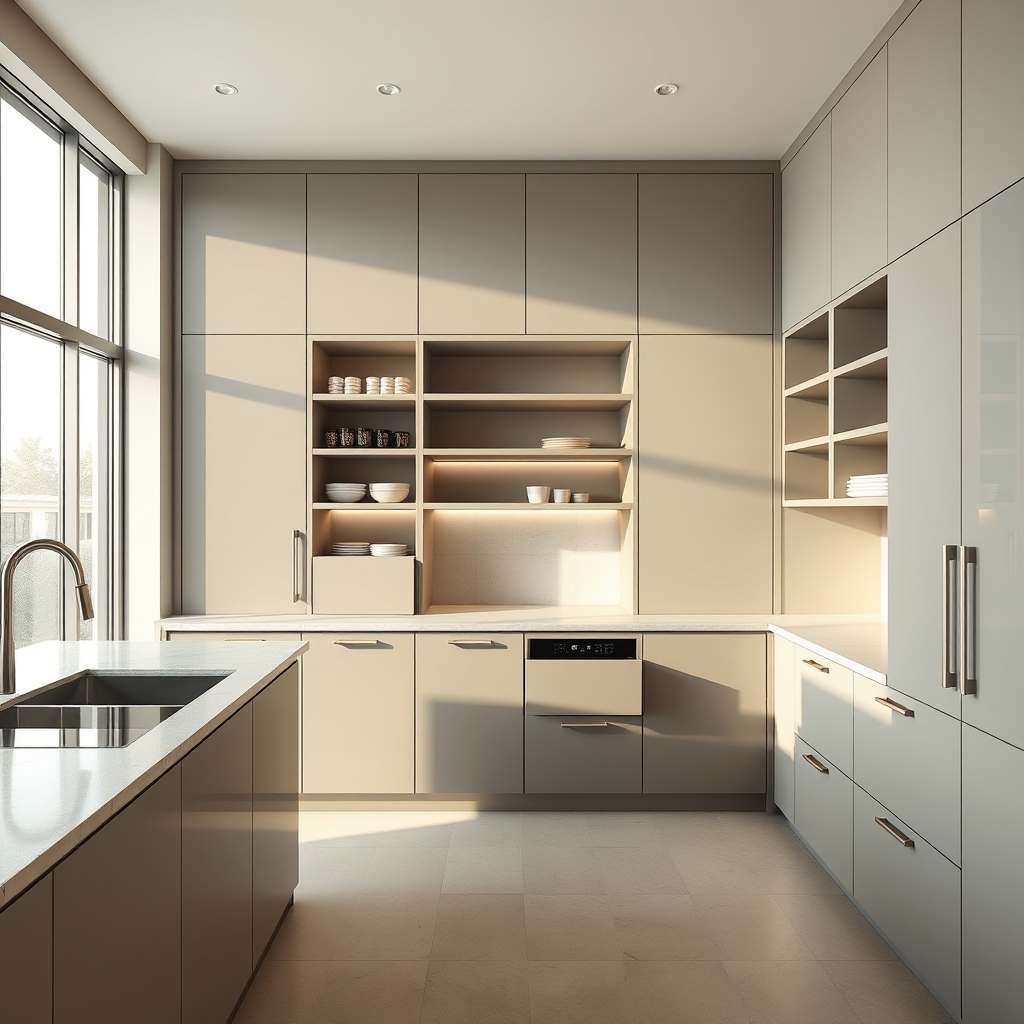
This approach has surged in popularity worldwide. Estimates put the global modular kitchen market as high as USD 39.0 billion in 2024 and growing fast. Urban dwellers and homeowners are attracted by not just style, but also by the ability to phase upgrades—and to adapt to moves, changing family size, or updates in taste. L-shaped and parallel/galley layouts, especially, benefit from systems that can scale or re-fit as needs evolve (source).
Crucially, this flexibility helps in spaces with non-standard footprints, odd nooks, or challenging wall placements. If you’re a renter, you can even relocate most reconfigurable units to your next home—making this a smart, long-term investment instead of a sunk cost.
Step-by-Step Guide: Designing and Installing Your System
Ready to make the shift? Here’s a no-nonsense plan for creating a kitchen that adapts with you, not against you.
- List and Prioritize Storage Tasks
Identify daily pain points. Do you lack drawer space for utensils, need tall cabinets for appliances, crave more pantry bins, or want countertop items off crowded surfaces? - Choose Modular Product Types
Select from floor-standing drawer units, wall-mounted cabinets, adjustable open shelving, and specialty inserts for spices, waste bins, or baking trays. Pick items that match both your needs and the quirks of your kitchen. - Map Out Zones
Align major activity areas: food prep near the fridge; pots near the stove; dishes close to the sink; snacks or coffee within arm’s reach. Design around your workflow, not just symmetry. - Order and Stage Components
If possible, buy from one brand to guarantee seamless fit, but don’t be afraid to mix modules for specific needs. Prioritize units with easy assembly (screwless, snap-together, or tool-free as much as possible). - Install in Phases
Start with the most-used area (usually between sink, stove, and fridge). Add new units or swap shelves only after you’ve lived with each phase—this “phased upgrade” approach mirrors what market research shows most consumers prefer.
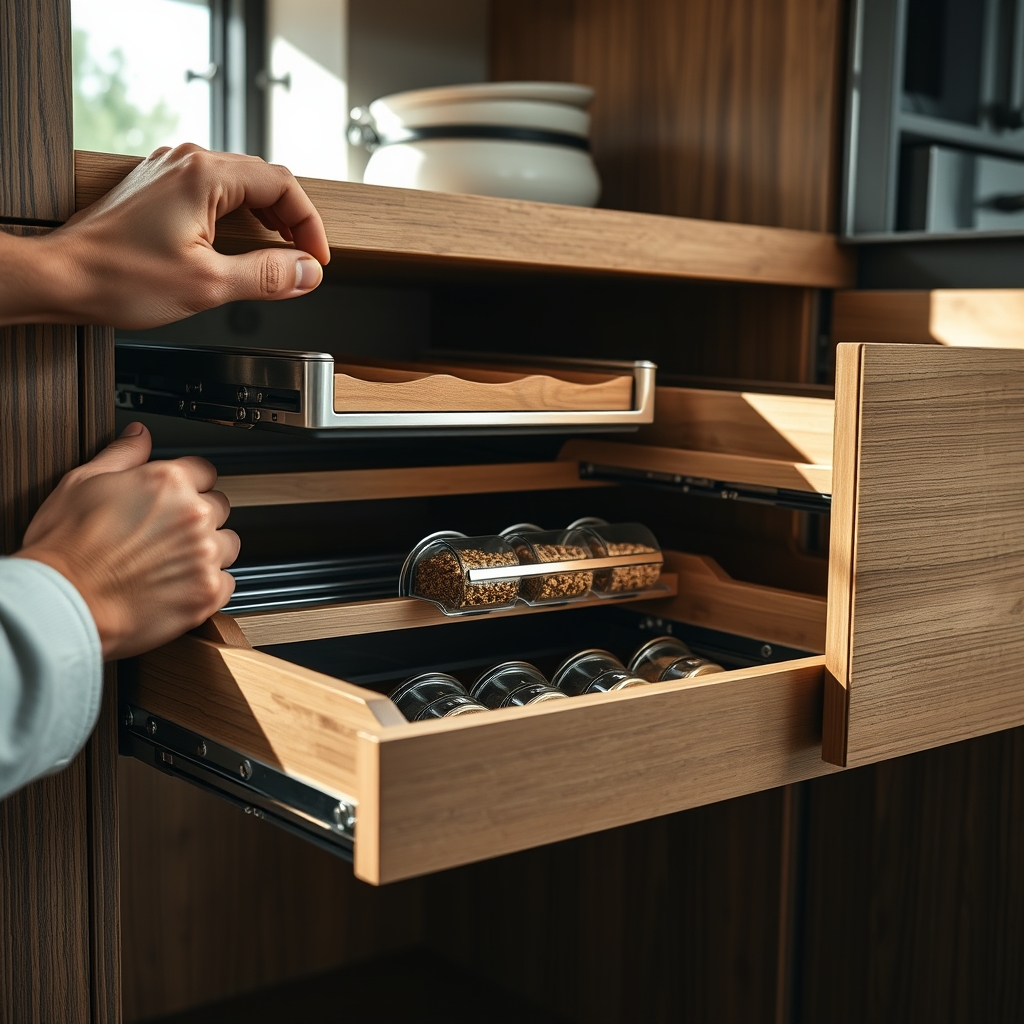
For renters or those with strict building rules, focus on no-drill solutions. Pull-out units for under-sink or base cabinets, for example, often use tension locks or friction feet. Wall-hanging racks can go into existing studs, or use powerful adhesive anchors rated for higher loads.
For more apartment-friendly storage ideas, explore portable lighting options or swap overheads for modular lighting to keep surfaces free. Modular storage doesn’t stop at cabinets—think portable islands, rolling carts, and stackable bins. And don’t overlook the trend of mixing colors and textures, such as combining panels, as seen in two-tone cabinet designs or integrating reed glass inserts for both aesthetics and function.
Want a high-impact look? Pair modular storage with a striking kitchen lighting cluster or layer smart lighting using discreet LED zones built right into your storage.
Advanced Analysis & Common Pitfalls
Modular kitchen storage reconfigurable systems are not without risks. Here’s what can—and does—go wrong, plus a comparison of core features for smarter choices:
- Poor fit in non-standard kitchens: If your home lacks straight walls or 90-degree corners, you may discover gaps or dead zones that standard units can’t fill.
- Limited load capacity: Floor-standing modules support heavier pots, but wall units may max out at lower weights. Always check official capacity specs.
- Material durability: While metal dominates the market with 42.5% share (suggesting good longevity), low-cost MDF or particleboard modules can bow or sag—especially after being repositioned multiple times.
- Over-customizing for today’s needs only: Designing for a single use-case (like only baking supplies) can lock you into a less flexible configuration later.
- Hidden costs: Extra brackets, specialty inserts, delivery, or even professional installation can push prices well above base unit costs.
| Feature | Budget Modular Cabinets | Premium Modular Cabinets |
|---|---|---|
| Reconfiguration | Manual, often tool-based | Quick-connect, tool-free or magnetic |
| Material | Particleboard, thin laminate | Solid wood, powder-coated metal, thick MDF |
| Assembly Time | 2-3 hours per section | 30 minutes per section (pre-assembled panels) |
| Adjustment Range | Fixed shelves, limited depth options | Height, width, and shelf adjustability |
| Rental Friendliness | Often requires wall drilling | No-drill models; easy relocation |
If you live in a region like the Middle East or Africa, note that kitchen storage demand is rising, but options for high-end imports may be limited or expensive (source). Always factor both initial and potential relocation costs into your budget, especially if you may move within 3-5 years.
Conclusion
A successful kitchen setup is never “set and forget”—it should evolve with you. Choosing modular kitchen storage reconfigurable solutions gives you options, not dead ends. But it takes smart planning to avoid misfits, wasted money, or fragile materials. Whether you rent, plan to move, or simply need kitchen storage that adapts to life’s changes, modular is almost always the way forward. Ready to start? Map your space and take the first step—your future kitchen will thank you.
FAQ
What exactly does “reconfigurable” mean for modular kitchen storage?
It means each storage unit—like a cabinet, shelf, or drawer—can be rearranged, swapped, or expanded as your needs change. You’re not locked into one layout, and most systems can move with you to new homes.
Do modular kitchen cabinets really work in small or awkward kitchens?
Yes, especially parallel (galley) or L-shaped configurations. However, in kitchens with very odd shapes, some dead spaces may remain, so pair modular kits with custom filler panels or stand-alone shelves.
Are all modular kitchen systems renter-friendly?
No. Some require drilling into walls or floors for stability. Look for models specifically labeled tool-free, freestanding, or “no-drill,” especially if you want a system you can move without damaging walls.
How long do modular kitchen storage systems last?
This depends on materials. Metal and high-quality wood last for years with minimal sagging; budget MDF or particleboard can show wear quickly, especially after being reassembled multiple times.
Can I mix different brands of modular units?
It’s possible but can lead to small gaps or alignment problems. Try to stay within one brand or check dimensions carefully if mixing is necessary.