

Table of Contents
Color capping ceiling paint trend is rapidly redefining residential interiors by turning the ceiling into a dynamic design element, introducing bold contrasts, and maximizing every inch of the room. If you’re searching for a paint approach that adds character far beyond standard neutrals, here’s exactly how this trend works—and what you must know before picking up a roller.
The Core Concept: What Is Color Capping Ceiling Paint Trend?
Color capping is the technique of painting your ceiling in a deeper and more daring shade than the walls. This trend is part of the movement to treat the ceiling as a “fifth wall,” effectively capping the room with impact and contrast. Instead of defaulting to a flat white, homeowners, architects, and interior designers are choosing richer tones for the ceiling, creating a sense of height, visual rhythm, and a carefully curated mood.
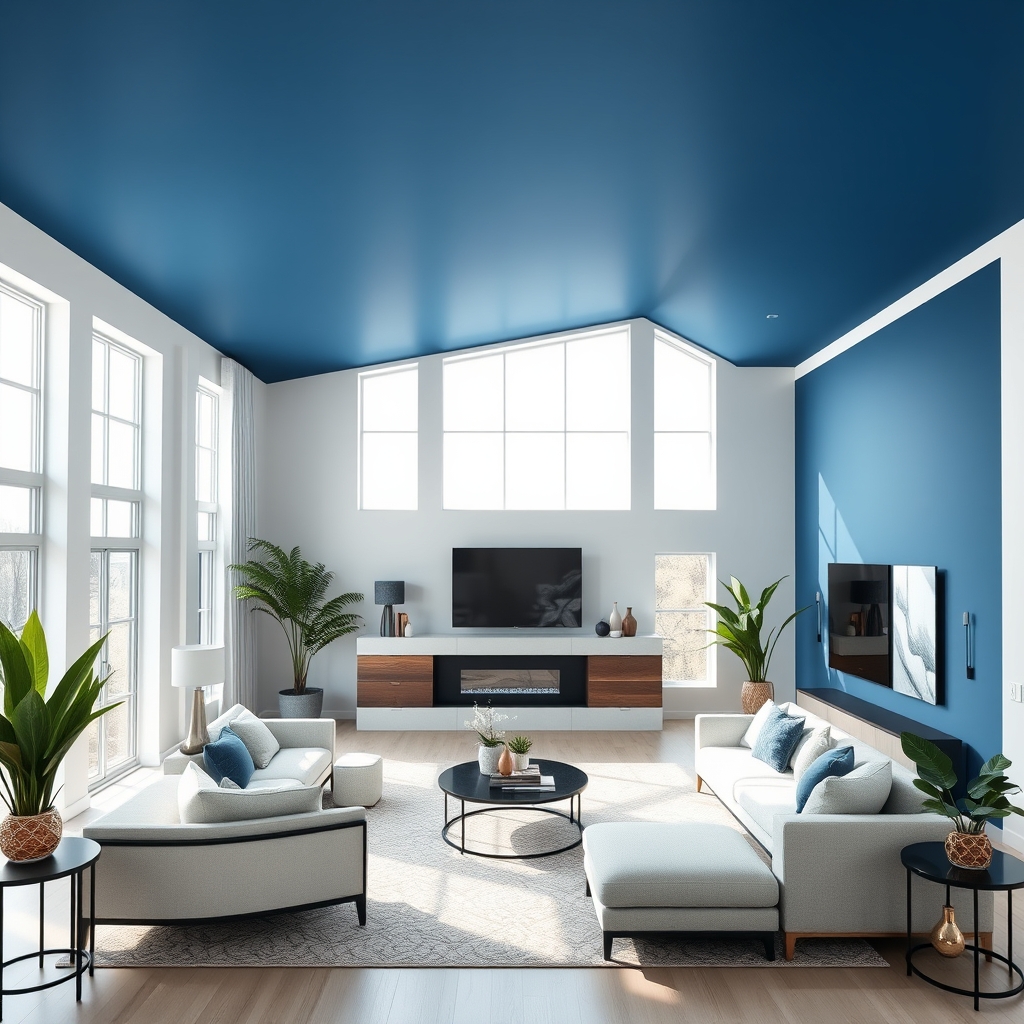
This technique leverages at least three tones from the same color family—light, mid, and dark. The darkest (or most saturated) is reserved for the ceiling as a dramatic “visual cap.” Walls then use the lighter shades, keeping the palette cohesive. This layered approach can make a compact room seem taller and adds dimension to expansive spaces, a design hack currently recommended by several top interior decorators and chronicled by Decorilla’s color capping report.
You’ll see earthy tones like dusty blue, muted mauve, sandy beige, warm clay, olive, sage, and stormy blue consistently suggested for ceilings. Choosing the right shades and balance directly relates to the desired feel—grounded and calm or bold and modern. For more design inspiration on integrating these palettes, check out our post on Modern vs Classic Interiors: Which Style Resonates with You?.
Step-by-Step Guide: How to Color Cap Your Ceiling
Ready to implement the color capping ceiling paint trend in your home? Here’s how to get crisp, professional results:
- Choose Your Palette:
Select at least three related tones—light, mid, and a bold dark—for the full “capping” effect. Try earthy or muted colors (think olive, clay, dusty blue) for staying power and a sense of calm. For more on color theory in interiors, visit Mixing Paint Colors: The Ultimate Pro Guide. - Prep the Room:
Move furnishings away from the center, cover with drop cloths, and ensure proper ventilation. Cleaning both ceiling and top wall edges is crucial so tape adheres best and paint won’t flake. - Define the Transition:
Use painter’s tape to mark where the ceiling color ends and wall color begins. Architectural features like molding or picture rails make a natural boundary. If none exist, decide on a height: the upper third creates drama, the lower third feels calm and enveloping. - Prime as Needed:
Dark colors often need a tinted primer, especially if painting over a white or pale surface. This prevents streaks and patchiness. - Apply Ceiling Paint:
Use a roller with an extension pole for large areas and an angled brush for cutting along tape. Apply at least two thin, even coats, letting each fully dry between applications. - Remove Tape Carefully:
Peel off tape while the last coat is still slightly damp for the cleanest line. - Finish Walls:
Paint walls in your selected lighter or mid tones. Touch up any edges with a steady hand for pro-level polish.
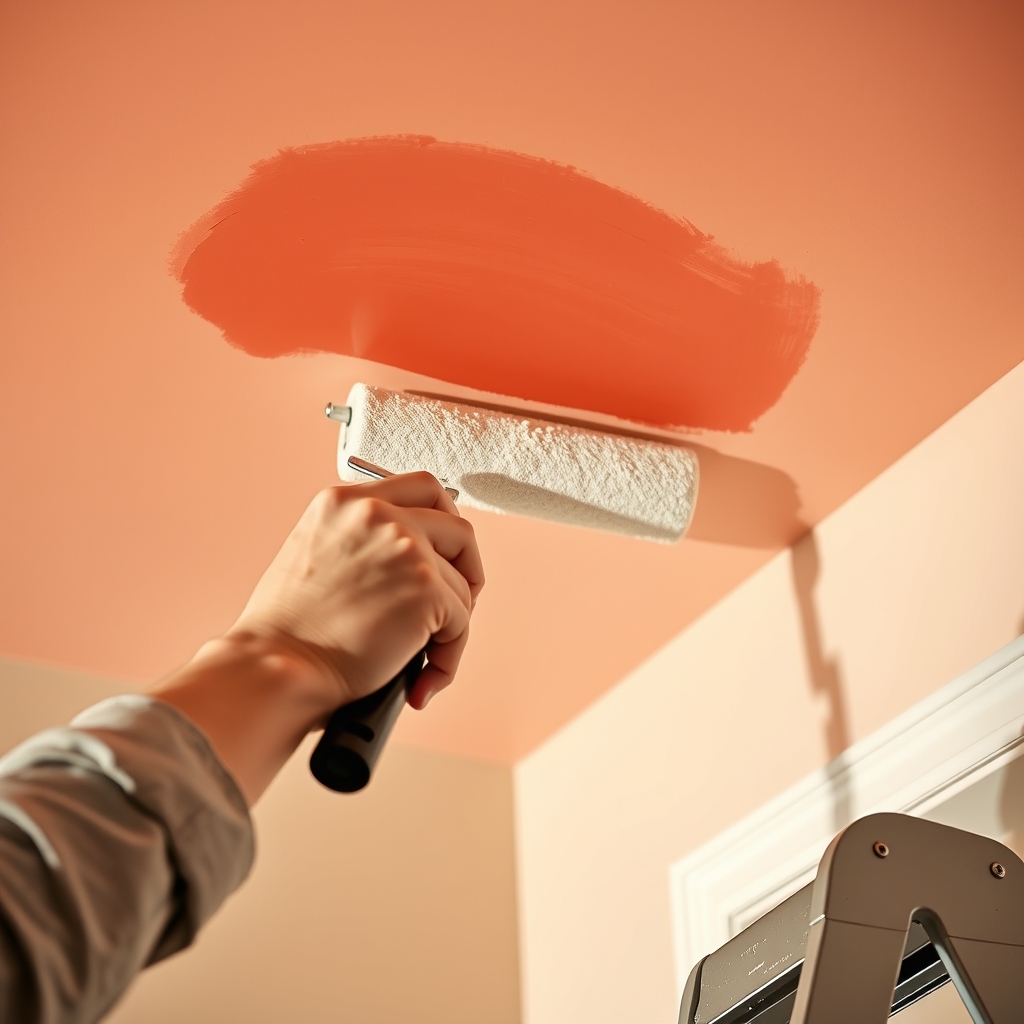
Throughout, pause to inspect from several angles—uneven dividing lines or paint seepage can be especially obvious with bolder ceiling hues. Have a small artist brush handy for on-the-spot fixes.
Want to combine this technique with other trending paint ideas? Read our definitive guide on Best Paint Finishes for Every Room for tips that ensure color capping really pops in any light.
Advanced Analysis & Common Pitfalls
While color capping unlocks dramatic transformations, it’s not without practical trade-offs. Here are the issues to anticipate, based on real-world application and industry research:
- Color Inconsistencies: Dark ceiling colors can streak or appear blotchy if not primed correctly or painted with enough coats.
- Lighting Surprises: The way colors reflect off a ceiling is different than on walls. A rich tone may look vibrant in daylight but flatten out with soft white bulbs.
- Lack of Visual Balance: Without careful palette coordination, a bold ceiling may overwhelm and shrink a space, especially if the ceiling is low or the room gets minimal daylight.
- Precision Required: Sloppy taping or uneven dividing lines are immediately visible—this trend is unforgiving of rushed prep or poor technique.
- Unknown Impact on Resale: There’s no published data on how color capped rooms affect home resale value, so play it safe in shared living/dining spaces if you plan to sell soon.
| Aspect | Color Capping Ceiling Paint Trend | All-Neutral Painting |
|---|---|---|
| Visual Impact | Creates height and drama, defines mood, feels curated | Consistent, inoffensive, but can feel flat or generic |
| Technical Challenge | High—crisp lines, more cutting in, precision required | Low—easy to blend mistakes, simpler to patch |
| Light Manipulation | Ceiling alters the way light bounces, can add depth | Predictable light bounce, no highlight/contrast |
| Potential for Mistakes | Greater—tape failure, streaks, uneven coverage | Minimal—easy to touch up, forgiving of unevenness |
| Impact on Room Perception | Can make rooms feel more open or dramatic; mood-altering | Neutral; doesn’t add height or distinct atmosphere |
For designers looking to minimize risk while exploring this trend, review our advice in Living Room Paint: Pro Tips That Instantly Transform Your Space. For more research-driven explorations of color capping, refer to Decorilla’s guide to color capping.
Conclusion
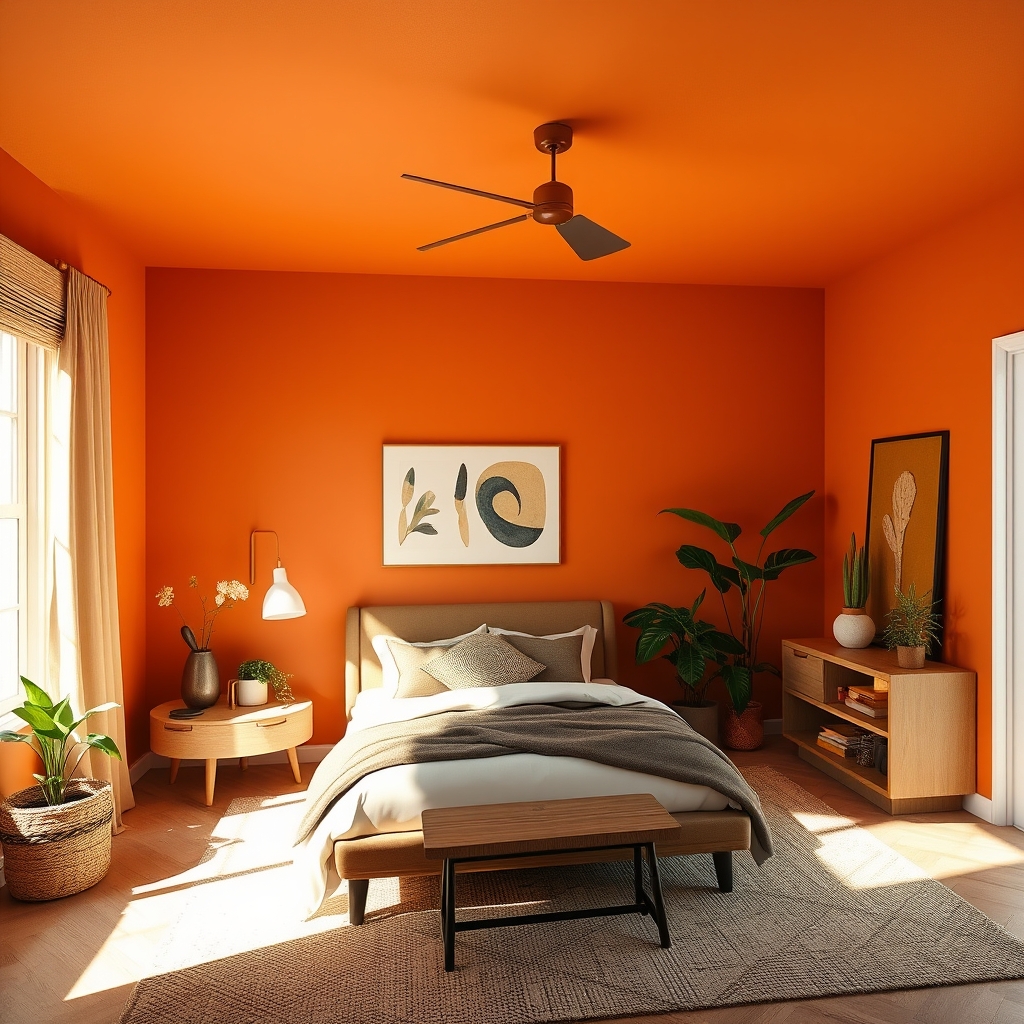
The color capping ceiling paint trend offers a powerful, practical way to inject depth, personality, and intention into any room—if approached with care. While data on adoption and resale is limited, the visual payoff and unique mood creation are hard to deny. For the best outcome, carefully select your palette, prep meticulously, and respect the limits of your space. Ready for your ceiling to steal the show? Try color capping, and unlock a whole new dimension of home design.
Want more actionable paint ideas or room-specific inspiration? Browse our expert guides such as Kitchen Color Trends That Wow in 2026 and Small Room Paint Hacks From Pro Designers, or dive back into the Latest Interior Painting Trends for even bolder transformations.
FAQ
Which color families work best for the color capping ceiling paint trend?
Designers suggest earthy and muted families—think mauve, sage, olive, dusty blue, clay, and warm beige tones. The trick is layering at least three related tones for a cohesive look. For more, see the in-depth breakdown at Decorilla.
Will painting my ceiling a dark color make the room feel smaller?
Not necessarily. When using color capping, the darkest tone draws the eye upward and can make compact rooms feel taller and more dynamic. Placement of the dividing line matters—the upper third amps up drama, the lower third grounds the space.
Can color capping affect resale value?
There’s no published data on resale impact. Though striking and current, extremely bold color capping may require repainting for broad market appeal. If selling is in your near future, stick to versatile palettes or use the trend in less prominent rooms.
How do I avoid streaks and uneven color on the ceiling?
Always use a primer matched (tinted) to your ceiling color, apply thin coats, and keep a wet edge. Remove tape while paint is still damp for the cleanest lines. Reference our painting ceilings best practices guide for detailed instructions.
What technical skills do I need for successful color capping?
Precision is key: clean prep, accurate taping, and patience with multiple coats are all essential. Cutting-in technique is more important than with single-color applications. For advanced help, visit our how to cut-in paint like a pro tutorial.