

Table of Contents
### Blog Post:
Smart kitchen layered LED lighting is transforming the way homeowners approach efficiency, ambiance, and functionality in their kitchens. As smart home systems surge in popularity, layered lighting—combining ambient, task, accent, and specialty zones with LED and smart controls—is now a cornerstone of any modern kitchen remodel. Whether you want to save energy, boost home value, or simplify mealtime routines, understanding layered LED lighting is critical for making informed decisions and avoiding costly missteps.
Key Takeaways
- Layered smart kitchen LED lighting boosts energy efficiency, control, and visual comfort compared to one-size-fits-all overhead lights.
- Homeowners face real-world challenges with compatibility, multi-zone setup, and maintaining reliable app control across evolving smart devices.
- Customized solutions—such as inside pantry lighting and motion-activated drawer LEDs—are overlooked in most articles, yet offer substantial day-to-day convenience.
The Core Concept: What Is Smart Kitchen Layered LED Lighting and Why Does It Matter?
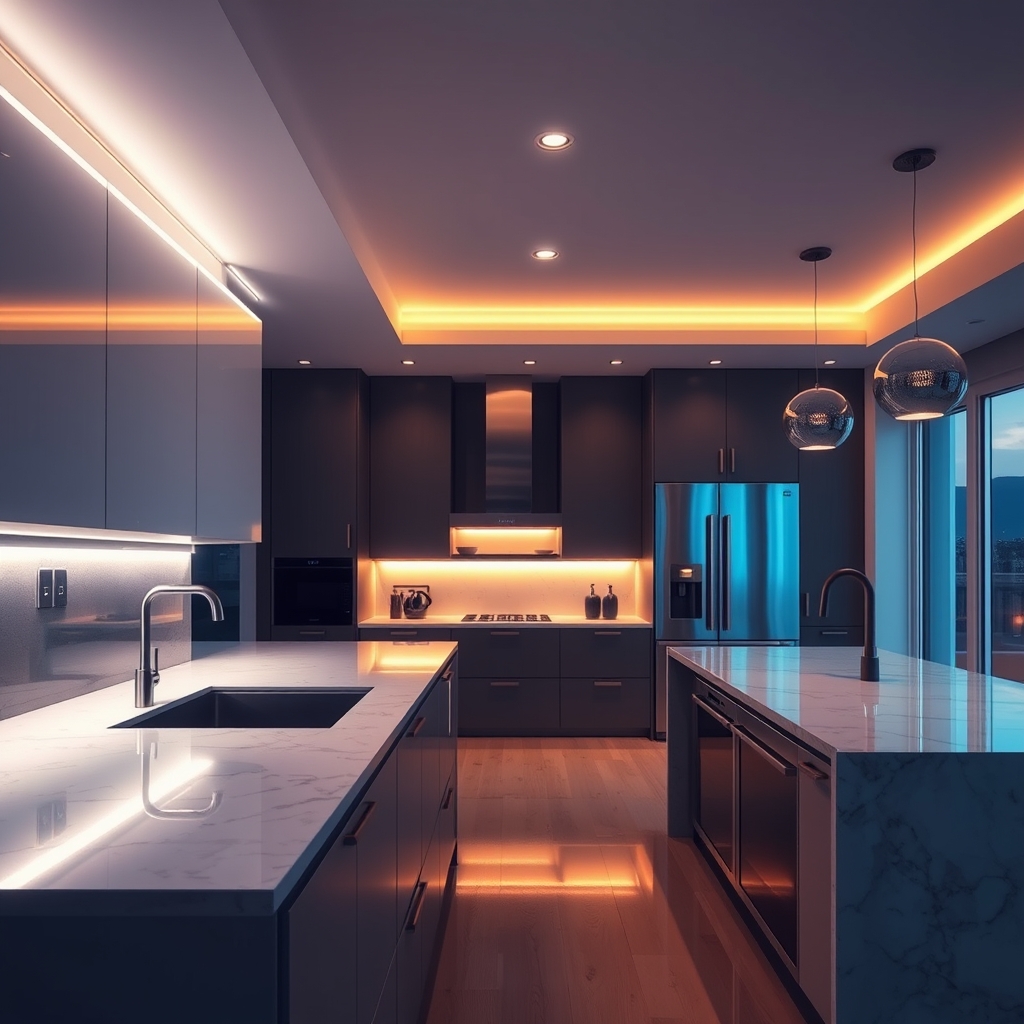
Smart kitchen layered LED lighting uses multiple light sources strategically placed throughout the kitchen, each assigned a different functional zone such as ambient (general), task (under-cabinet, cooking), accent (decorative or display), and specialty areas (pantry interiors, drawers). Unlike the decades-old standard of a single overhead fixture, this smart approach uses low-energy LED technology and connects all zones to a central control ecosystem—allowing scheduling, remote adjustment, adaptive dimming, and even motion sensing. The motivations are clear: maximize energy efficiency, enhance usability, increase style, and integrate with smart home routines. The global smart kitchen lighting market is projected to grow at a CAGR of 6.9% through 2030, reflecting the demand for connectivity, personalization, and efficiency (source).
Step-by-Step Guide: Building a Real-World Smart Layered LED Kitchen Lighting System
Deploying a truly integrated landscape of smart kitchen layered LED lighting requires thoughtful planning, selection of compatible devices, and proper installation. Here’s a streamlined, actionable roadmap for homeowners or pros:
- Identify Functional Zones: Break your kitchen down into ambient (ceiling), task (under cabinets, over counters), accent (open shelving, toe kicks), and specialty (pantry, appliance cubbies, inside drawers).
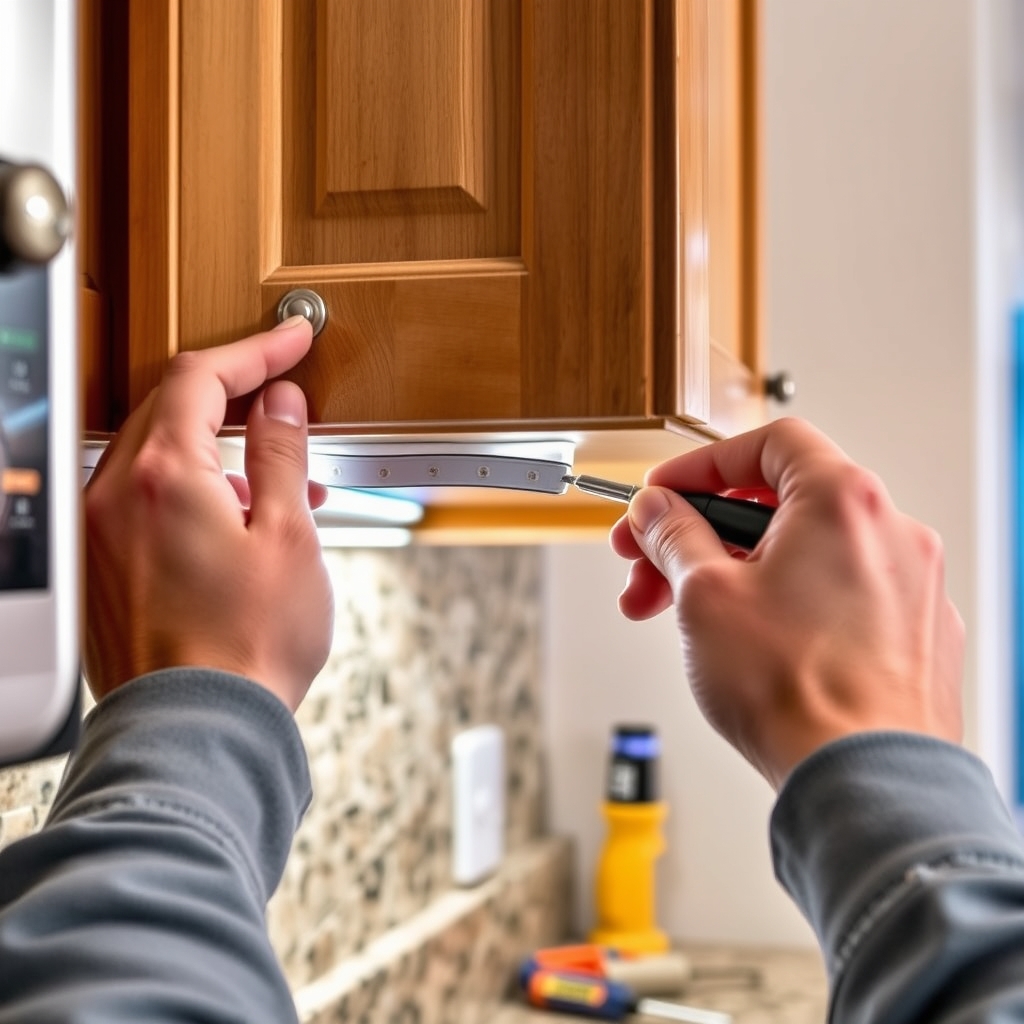
- Choose LED Fixtures and Strips: Use low-profile LED strips for under-cabinet and accent zones. Opt for smart, dimmable fixtures compatible with desired ecosystems (e.g., Alexa, Google Home, Apple HomeKit).
- Plan Wiring and Power Needs: Map outlets, junction boxes, or USB-powered areas. Consider low-voltage wiring for safety and flexibility, especially in tight spaces.
- Integrate smart drivers and controllers: Select smart drivers compatible with your network (Wi-Fi, Zigbee, Bluetooth). Ensure all chosen devices can be grouped and scheduled through a common app.
- Install Sensors and Multi-zone Controls: Add motion sensors to pantries and drawers. For advanced setups, use zone controllers or smart relays to manage separate areas individually.
- Configure App Schedules and Scenes: Set morning routines, occupancy triggers, and day-night scenes using your smart home app. Test for delays, missed triggers, or disconnections.
- Troubleshoot & Optimize: Check for connectivity dead spots, unwanted shadows, or incompatible routines. Update firmware and revisit app settings for best performance.
For more on planning energy-efficient lighting zones, check out our kitchen lighting layout guide and explore real user setups in our kitchen lighting designs inspiration gallery. If you’re interested in blending lighting control with smart appliances, read how to integrate smart appliances for a seamless kitchen experience.
Advanced Analysis & Common Pitfalls: What Goes Wrong and Where Competitors Miss the Mark
While LED adoption and smart lighting are booming—the global LED lighting market alone hit $78.4 billion in 2024 (source)—real-world kitchen projects often run into snags. Here’s a candid breakdown:
Common Problems in Real Installations
- System Compatibility: Mixing brands or wireless protocols (Wi-Fi, Zigbee, Bluetooth) can result in unreliable control or lost scenes.
- App Fatigue: Too many single-purpose apps or poorly updated interfaces make scheduling and troubleshooting frustrating—especially for multi-zone kitchens.
- Motion Sensor Mishaps: Under-cabinet and drawer sensors sometimes trigger lights unintentionally (pets, daytime movement), drain batteries fast, or fail to sync with smart routines.
- Power & Wiring Constraints: Older kitchens may require significant electrical upgrades or creative cable management for optimal LED placement and control access.
- IoT Security Concerns: Connected lighting is vulnerable to security lapses if not kept up to date with patches and strong passwords (source).
Comparison Table: LED vs. Traditional Overhead Lighting in Kitchens
| Aspect | Traditional Overhead | Smart LED Layered |
|---|---|---|
| Energy Efficiency | Low (Incandescent/Fluorescent) | Up to 90% higher (source) |
| Usability | Single light, little control | Multiple zones, customizable scenes |
| Maintenance | Bulb replacements frequent | Long-life LEDs, less frequent |
| Smart Features | None | Remote, schedules, sensor triggers |
| Installation Complexity | Low to moderate | Moderate to high (multi-zone setup) |
What Competitors Overlook
- Pantry Interior Lighting: Few guides explain why illuminating pantry shelves with motion-activated LEDs can drastically increase efficiency and reduce food waste.
- Drawer Lighting: Installation of motion-activated LEDs inside drawers is usually skipped—even though it solves a common daily annoyance. See our kitchen drawer lighting solutions for expert tips.
- Custom Layering Techniques: Detailed instructions for blending ambient, task, accent, and specialty (e.g., toe kick) layers are hard to find. Our popular under cabinet lighting guide covers approaches most blogs ignore.
Budget and installation cost transparency is rare. As of 2024, published cost data for smart multi-zone under cabinet LED installations is still sparse. Most projects require a custom assessment based on wiring, smart hub/integration, and the number of zones.
Conclusion
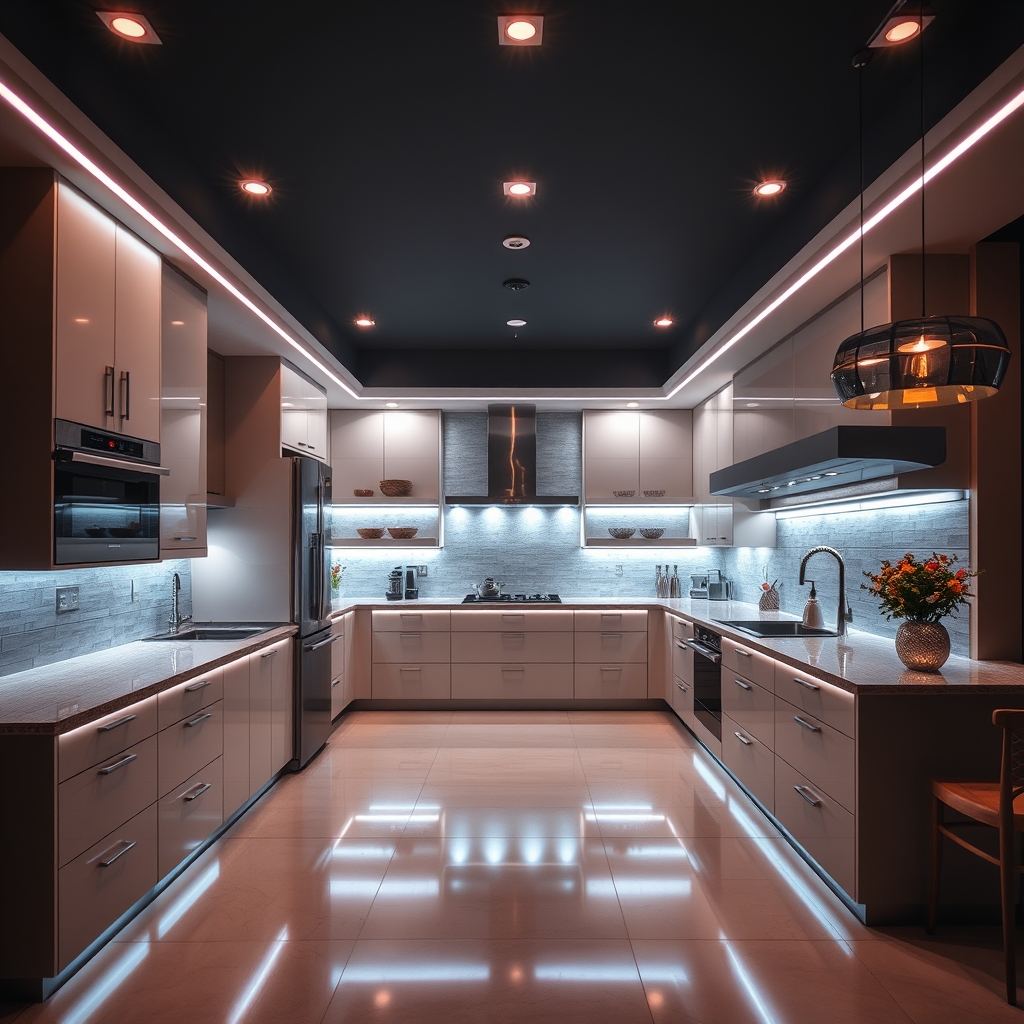
Layered LED lighting systems with smart controls help kitchens become more energy efficient, functional, and enjoyable. Yet, the road to perfect smart kitchen layered LED lighting is not without twists—system compatibility, installation challenges, and overlooked features can disrupt even well-planned projects. For optimal results, plan zones, stick to a consistent ecosystem, and invest in smart upgrades beyond just the basics. Ready to brighten your own kitchen with layered LED lighting? Browse our LED kitchen lighting buying guide and let us help you navigate the options for your space.
FAQ
What are the benefits of smart kitchen layered LED lighting over a single ceiling fixture?
Layered LED schemes allow you to target illumination for specific tasks, set moods, and save energy. With smart controls, you can schedule lights, use voice commands, and optimize efficiency by lighting only what’s needed.
Can I install a smart layered LED system myself?
Most smart LED strip kits are DIY friendly, but multi-zone setups with hardwired connections or hidden pantry/drawer lights can require electrical skills. When in doubt, consult a licensed electrician.
What is the average installation cost for a multi-zone smart LED under-cabinet system?
The cost varies by kitchen size, number of zones, control type, and whether you hire a pro. As of 2024, no clear market average is published; expect a range from $200 for basic DIY to $2,000+ for integrated, hardwired projects.
Will my smart kitchen lights work if my Wi-Fi goes down?
Many systems have manual switches or local wireless (Bluetooth/Zigbee) fallback. However, remote and app-based features may be limited during Wi-Fi outages unless you choose a system supporting both local and cloud control.
Do smart kitchen LED lights actually save electricity?
Yes—LEDs are much more efficient than incandescent or halogen bulbs, and smart controls reduce wasted energy by automating usage, scenes, and motion sensing for only-when-needed illumination.