

Table of Contents
### Blog Post:
Color drenching living room design is transforming interiors in 2024, offering a striking, immersive look by painting every surface—from walls and ceilings to trim—in a single saturated hue. Unlike typical approaches, color drenching makes a room feel unified, dramatic, and intentionally styled, but it also brings some unique challenges and decisions. Here’s exactly how to get it right, what to expect, and what pitfalls to avoid.
What Is Color Drenching Living Room Design?
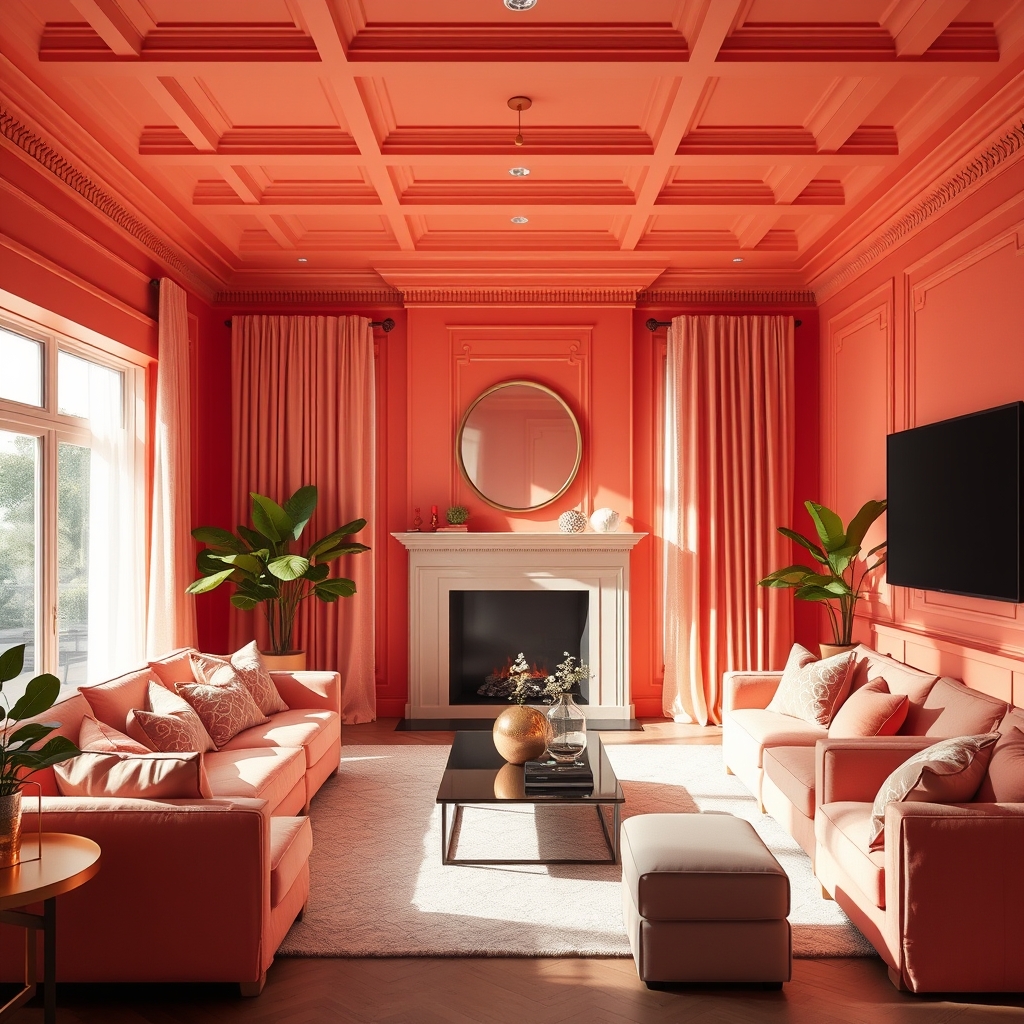
Color drenching is an interior strategy that involves covering every surface in a room—including walls, ceilings, trim, doors, and even built-ins—with the exact same color and finish. This creates an uninterrupted, monochromatic field, blurring boundaries and making the room feel cohesive and immersive. Unlike classic contrasting trim or white ceilings, color drenching minimizes visual clutter and focuses attention on decor, furnishings, and texture instead of lines or edges.
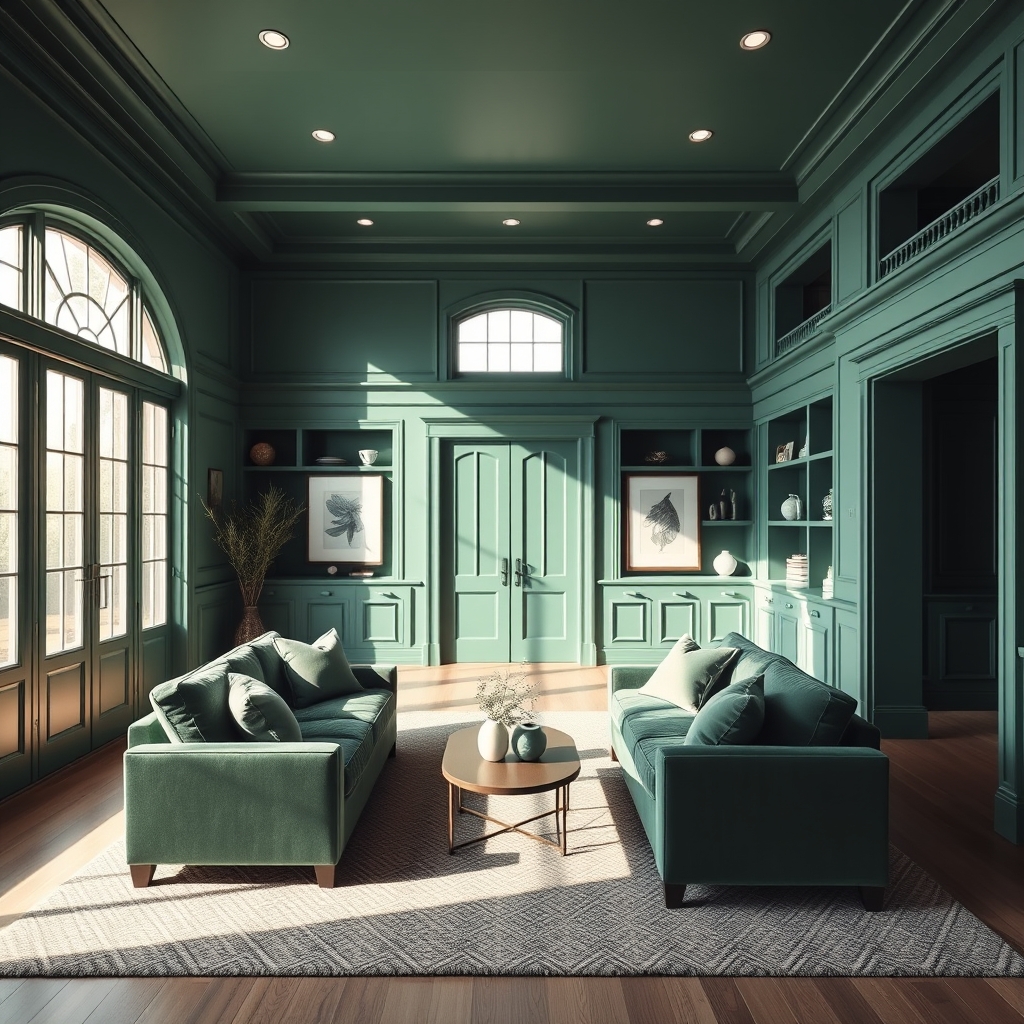
According to recent color psychology studies, drenching can make a small living room feel larger by eliminating boundaries or lend a cozy, enveloping effect in a large open space. The mood depends on color choice: pale or mid-tones can feel restful and spacious, while rich, deep hues add drama and intimacy. However, if used in a dim room or with overpowering saturation, it can feel claustrophobic or depressing. Experts also caution that color drenching will highlight texture and lighting differences—every surface becomes part of the color story, so surface prep and paint quality are doubly important.
Unlike temporary ideas such as removable wallpaper or accent walls, drenching is an all-in commitment. Design guides emphasize that preparation and sampling are required for a successful transformation. For a hands-on look at real-life results, check out our guide on modern living room paint ideas or explore the nuances of choosing the right paint finish for wall and ceiling applications.
How to Color Drench a Living Room: Step-by-Step
Ready to try color drenching in your living room? Here’s a realistic, step-by-step breakdown for a successful, lasting finish.
- Clear and Prepare the Space
Move out all furniture and protect floors with heavy-duty drop cloths. Remove switch covers, curtain rods, and hardware. Fill nail holes and sand any wall or ceiling imperfections for a flawless base. Prime glossy timber or previously painted surfaces for even absorption. - Plan Your Paint and Finish
For a true drenching effect, most pros recommend the same finish on both walls and ceiling. Eggshell and matte work best for hiding imperfections, while a satin or semi-gloss might highlight flaws but stand up to scrubbing.
For high-traffic family rooms, opt for a washable, low-sheen product. Consult our best interior paint brands roundup for product recommendations. - Mask Like a Pro
Run a continuous line of high-quality painter’s tape along all floor and window edges. Use an edger or paint shield at ceilings and trim transitions for razor-sharp lines, especially if not painting adjoining rooms. - Cut In First, Then Roll
Start at the ceiling and work down. Cut in all corners with a brush, creating a border about 3 inches wide. Immediately roll each surface while the edge is still wet for a seamless blend. Repeat for trim and doors.
For deep or heavily saturated colors, expect at least two full coats for even coverage and color depth. - Lighting Check
Between coats, let the paint dry completely, then examine in both daylight and artificial light. This can reveal thin spots, missed brushstrokes, or sheen inconsistencies—touch up as needed with a mini roller. - Final Touches
Remove painter’s tape while the last coat is still tacky to avoid pulling off paint. Reinstall hardware and move in furnishings suited for the bold look, like textured throws or contrasting accent pieces. For décor ideas that work well with monochromatic spaces, see our guide on best living room color combinations.

Budget Considerations: While sources call color drenching “affordable,” the real cost will depend on paint quality, room size, and labor. For a standard 12×18 foot living room (approx. 500 square feet of wall and ceiling), plan on:
- 2–3 gallons of premium paint for two coats ($120–$180 with primer built-in)
- Painters’ prep materials ($50–$75 for drop cloths, tape, sandpaper, patch)
- DIY labor—free, but allow 2–3 days start to finish
- Pro labor—can range $800–$2500 in most markets, depending on complexity
For up-to-date price comparisons and detailed room-specific planning, check out our resources on room painting cost factors and living room painting service options.
Advanced Analysis & Common Pitfalls
Color drenching is impactful—but comes with its share of real-world issues. Here’s what the research and professionals say about potential downsides and how to avoid them.
| Problem or Pitfall | Why It Happens | Best Solution |
|---|---|---|
| Poor Coverage in Corners | Dark or rich hues may appear patchy, especially at joints. | Always cut in twice and roll methodically, keeping a wet edge. |
| Visible Surface Imperfections | Uniform light or dark paint highlights nail holes, dings, or bad seams. | Meticulous patching and sanding, especially under matte/satin paint. |
| Lighting Distortion | Color looks harsh under downlights or green/yellow from indirect bulbs. | Test samples at all hours; use neutral bulbs to avoid undertone shifts. |
| Maintenance and Cleaning | Scuffs and dust show more on dramatic color fields, especially matte finishes. | Use washable paint or a low-sheen eggshell for rooms with kids/pets. |
| Regret or Overwhelming Effect | Very dark or saturated drenching can feel heavy, especially in low light. | Start with lighter values or test in a small area before scaling up. |
| Future Repainting Complexity | Multiple coats may be needed to cover deep hues if tastes change later. | Prime with a stain-blocking primer before repainting with a lighter shade. |
One gap in many online guides is detailed troubleshooting. While high-traffic sites rave about the mood benefits, few mention the time-consuming masking and surface prep required. Additionally, no major competitor currently covers new edge-sealing caulks for easier masking, or the current generation of ultra-cleanable matte paints that combine low sheen with stain resistance. For innovation, pro painters are now experimenting with fine-tipped paint edgers for sharper transitions at open-plan zones—something missing from most roundups.
Maintenance feedback is limited, but experienced DIYers note that while monochrome rooms wow initially, smudges and dents show more clearly on one uniform plane. To go deeper, recent research highlights how dark drenching—though chic—is not advisable in low-light or poorly ventilated rooms, as it may negatively affect mood (see source).
For practical advice on adjusting existing décor and increasing daily comfort, review our guidance on making your living room cozier.
Conclusion
Color drenching living room spaces in one bold hue has real impact—making small rooms feel bigger and adding drama to open plan layouts. You’ll need careful sampling, prep, and maintenance planning to get the best result and avoid common headaches. While wildly popular on social media, the technique brings real considerations for mood, lighting, cleaning, and even resale value. Interested in trying color drenching living room trends at home? Start small, sample widely, and remember that proper prep always pays off.
Ready to transform your space? Explore our full gallery for more living room makeover ideas or get a quote from a pro painter to take your room from plain to wow.
Frequently Asked Questions
Does color drenching living room design work in small spaces?
Yes—using one color for all walls and ceiling can make a small living room feel more spacious by minimizing visual breaks. However, stick to lighter or medium tones to keep it airy instead of enclosed.
Which finish is best for color drenching living rooms?
Eggshell or matte finishes are popular for walls and ceilings because they hide surface flaws and deliver a cohesive look. For easy cleaning, look for washable formulas, especially in family or pet-friendly homes.
How do you pick the right color for drenching?
Test samples in different lighting throughout the day and include ceiling and trim. Consider the room’s size, natural light, and your mood goals. Light drenching works for brightness—dark drenching adds coziness but may feel heavy in low-light rooms.
Is color drenching a good idea if I plan to sell my home soon?
Neutral tones are usually safer for resale. Moody or saturated drenching can turn off some buyers, especially if it’s a dark shade in living areas. Be prepared to repaint if buyers prefer traditional color schemes.
Are there any health or mood risks with very dark color drenching?
According to recent studies, very dark rooms (especially with low natural light) can feel gloomy and, for some people, may exacerbate low mood or depressive feelings. Balance with lots of lighting or stick to mid-tone hues if concerned.