
Table of Contents
### Blog Post:
Modular lighting system home solutions are redefining how homeowners light up their spaces, offering configurable options that adapt to any room, mood, or function.


### Blog Post:
Modular lighting system home solutions are redefining how homeowners light up their spaces, offering configurable options that adapt to any room, mood, or function.
Modular lighting systems for home allow you to customize the arrangement, type, and mood of your lights—often using configurable LED panels or click-together fixtures. Unlike traditional lighting, these solutions make it easy to add, remove, or reposition light modules, providing the flexibility to move seamlessly between bright task lighting for work and relaxing ambient lighting for downtime.
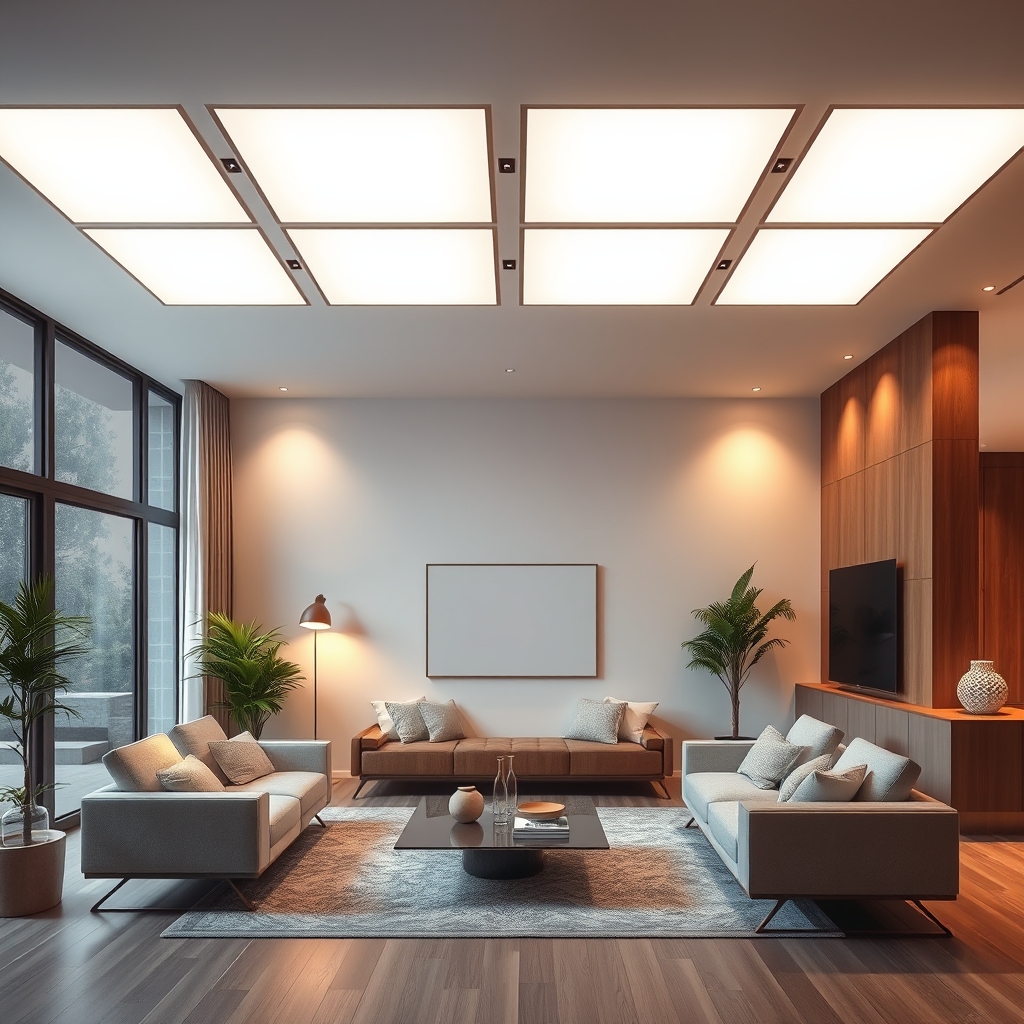
This adaptability is why modular lighting systems are quickly becoming a favorite for new builds and apartment updates. With a modular system, you can upgrade your space as your needs change—no electrician required, no permanent changes to your ceiling or walls.
Recent industry research shows a significant growth rate in both the value and popularity of these systems. The global modular lighting market was valued at USD 18,750.45 million in 2024, predicted to reach USD 36,580.30 million by 2032, according to Future Market Report. A separate estimate expects a 6.9% CAGR, highlighting the rising demand for residential, smart, and energy-efficient solutions (Intel Market Research).
By integrating modular LED lighting, you can futureproof your home’s lighting needs—whether you’re hosting friends, working from home, or setting the mood for movie night. For guidance on integrating smart home features, see our article on how home automation improves security.
Ready to try a modular lighting system for your home? Here’s a straightforward process for planning, installing, and configuring a new system:
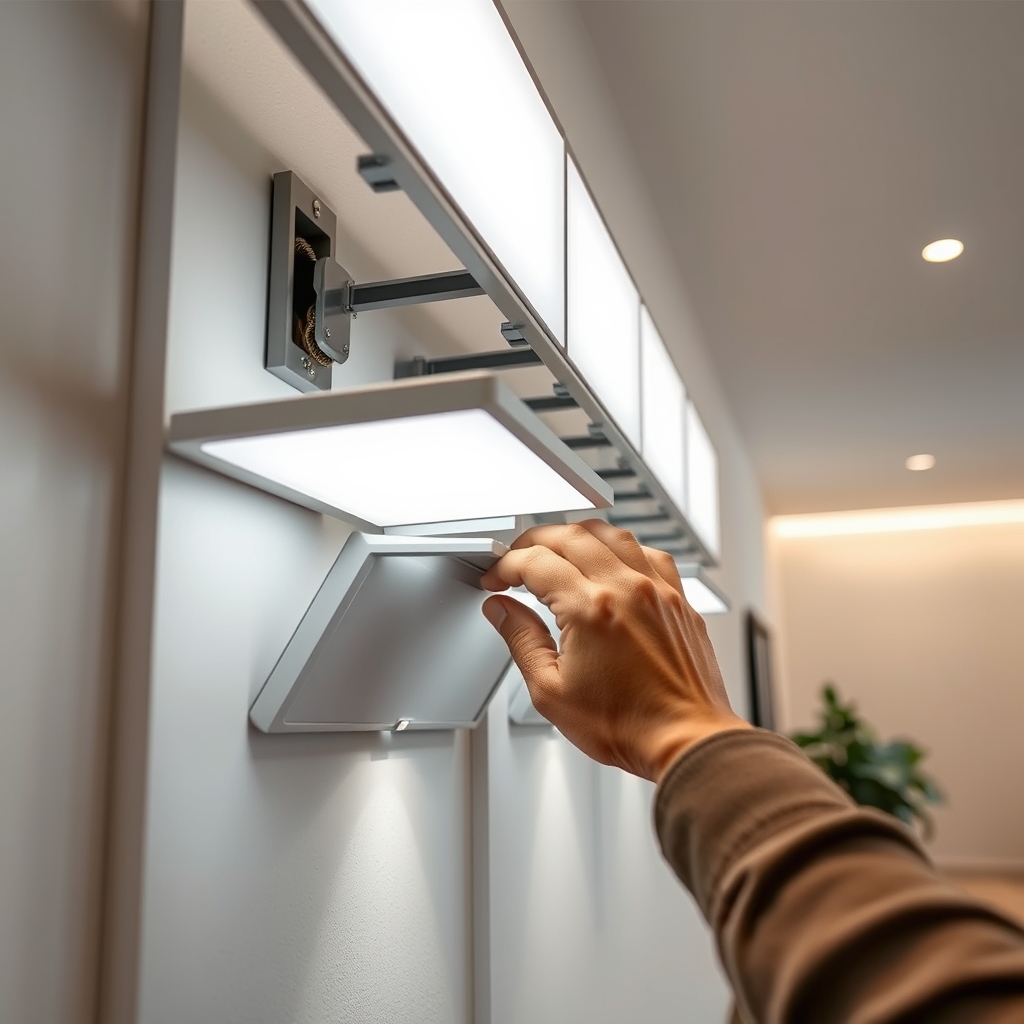
If you’re in a rental or dealing with strict ceiling rules, stick to surface-mount or plug-in modular lighting. To further simplify the setup, wire-free systems let you skip hardwiring entirely. See how these compare with our guide to adding smart ceiling lights without new wiring.
When scaling up, modular solutions make it simple to add new panels or swap finishes with minimal effort. For more complex integration, pairing modules with smart home ecosystems like Alexa or Google Home can unlock routines and automations. If you’re unsure about compatibility, consult your system’s instruction manual or contact customer support before purchasing more modules.
Looking for unique shapes or color effects? Many modular kits offer hexagonal, linear, or geometric options to create accent walls or dynamic room features. For inspiring design ideas, check out our article on decorative wall lighting ideas.
Modular lighting systems solve many traditional pain points, but homeowners face their own set of challenges. Based on current research and real-world experiences, here are some common pitfalls—and what you can realistically expect:
Here’s a simple comparison to help you evaluate options:
| Feature | Standard Home Lighting | Modular Lighting System Home |
|---|---|---|
| Installation | Requires hardwiring and often a professional | Often tool-free, renter-friendly, plug-in or surface-mount |
| Flexibility | Fixed (once installed, cannot easily adjust) | Highly reconfigurable; easy to add, remove, or relocate modules |
| Control Methods | Usually manual switches or basic dimming | Smart apps, remotes, routines, voice assistants (if supported) |
| Support for Task & Ambient Modes | Limited (requires separate fixtures or custom wiring) | One-touch switching if system supports dual modes |
| Warranty & Lifespan | Varies; basic bulbs 1-2 years, LEDs up to 10 years | Most modular LEDs offer multi-year lifespans—verify per model |
| Cost | Economical up front; upgrades may be costly/disruptive | Higher initial investment; modularity may save money over time |
For details on the latest trends and technical differences in lighting technology, see Grand View Research’s lighting market report.
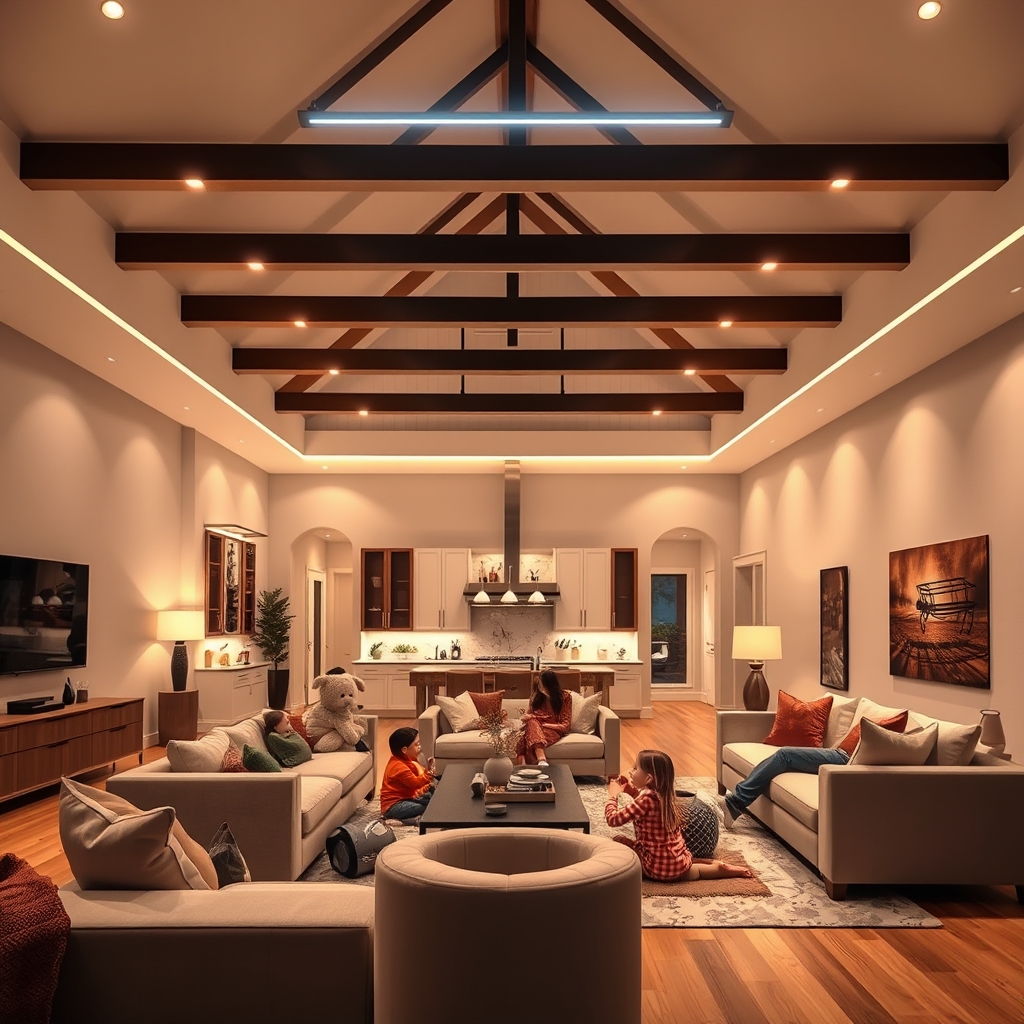
Modular lighting system home options offer the most flexible, future-ready solution for modern spaces—whether you want to brighten up your apartment, upgrade your living room, or build a smart lighting system from scratch. Growth in this sector is strong and trends toward even more customization and smart features in the coming years, making now the perfect time to experiment with modular lighting at home. To get started, assess your needs, plan your layout, and invest in a reputable modular system. Ready to transform your home? Explore our best LED ceiling lights for apartments and discover a modular lighting system home that fits your unique style and needs.
A modular lighting system for home lets you customize, reconfigure, or expand your lights using interlocking or wireless LED panels and fixtures. This approach makes it easy to adapt lighting to your space and lifestyle—without the need for professional installation.
Most modular lighting systems use advanced LED technology, making them highly energy efficient. They reduce utility costs and offer a long lifespan compared to traditional incandescent or halogen bulbs.
Yes. Many modular systems are designed for DIY installation with adhesive or magnetic mounts, so renters can add or remove fixtures without damaging walls or ceilings. Always choose plug-in or surface-mount options if you cannot access existing wiring.
Prices vary widely by brand and size. Starter kits with basic modules may cost from $70 to $200. Advanced or larger systems with smart features can range upwards of $500. Always check the warranty and compatibility before buying.
Some systems do, but not all. Look for products that advertise compatibility with Amazon Alexa, Google Home, Apple HomeKit, or IFTTT. Carefully read the product specs, as not every model supports smart integrations.
—