

Table of Contents
### Blog Post:
Expandable dining table designs are becoming essential for anyone trying to make the most of small or multifunctional spaces. These tables offer flexible dining solutions, adapting quickly from compact mode to accommodate gatherings at home without giving up precious everyday floor space.
What Is an Expandable Dining Table and Why Are They Booming?
Expandable dining tables are designed to transform. In their standard form, they offer a compact footprint—perfect for daily meals or tight apartments. When needed, these tables expand by several feet—using leaves, panels, hinges, or folding components—to seat larger groups comfortably.
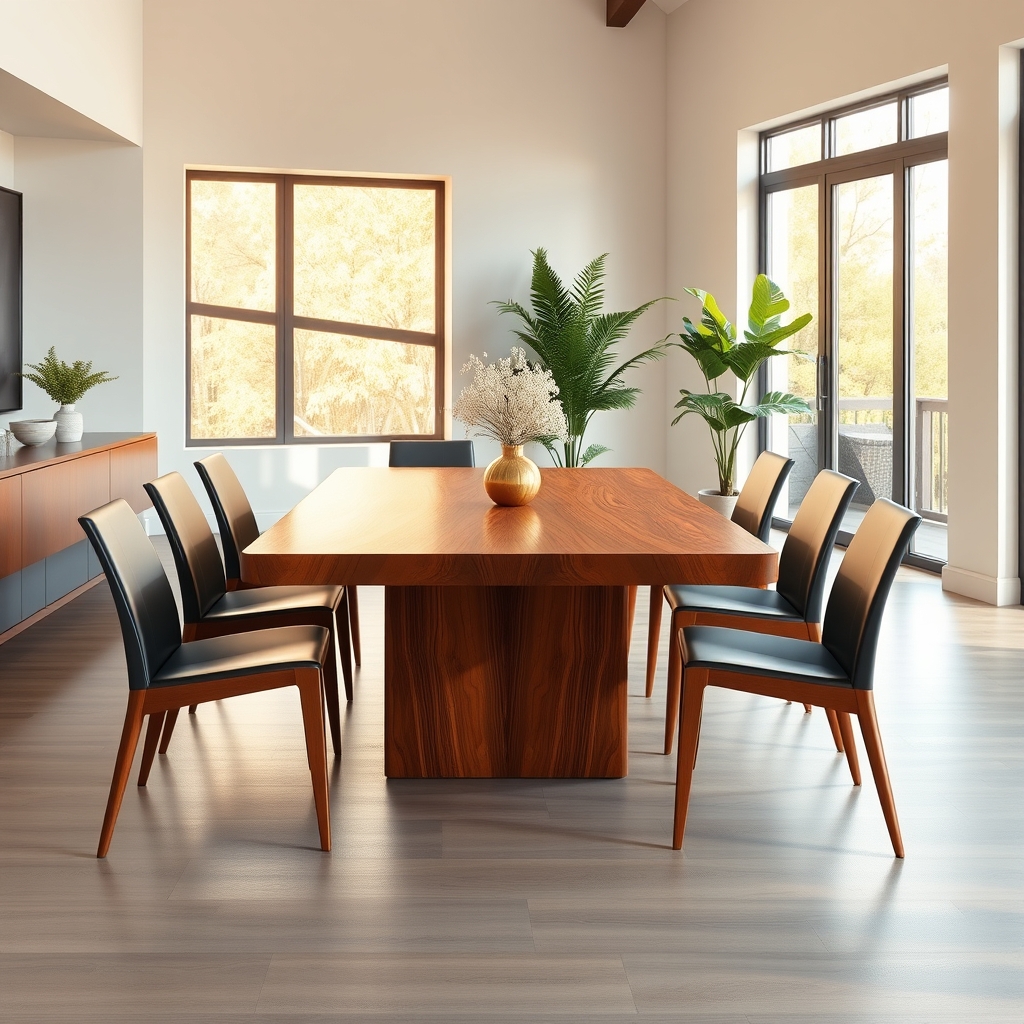
The demand for expandable dining tables has surged as city dwellers prioritize room flexibility and as remote work makes entertaining at home more common. According to Growth Market Reports, the global extendable dining table market reached $10.7 billion in 2024. Small-space living is the major driver—cities such as Los Angeles, London, and Tokyo are seeing apartment sizes shrink, and buyers now expect furniture to serve multiple functions without clutter.
Rectangular formats are still the market’s largest share, but oval and square designs are trending, particularly for their better traffic flow and balanced seating in compact zones (Mordor Intelligence). Mixed-material frames with certified sustainable woods and low-VOC finishes also reflect heightened consumer awareness of durability and indoor air quality.
Beyond dining, these tables play a role in the broader movement toward modular, adaptable interiors—similar to what’s happening in kitchen and lighting design with products like modular kitchen storage and reconfigurable lighting systems.
How to Choose and Use an Expandable Dining Table: Step-by-Step
Upgrading your apartment or small home with an expandable dining table is a smart space-saving move, but the process goes beyond picking a style. Here’s how to make a choice that actually suits your living situation and ensures smooth daily use:
- Assess your space honestly. Measure the area you plan to use for dining both in “compact” mode and with the table fully expanded. Leave at least 36 inches on all sides for chairs and movement.
- Choose your shape wisely. In tight walkways, oval tables enhance flow, while square options make the best use of wall-adjacent setups. Rectangular shapes work for long, narrow rooms.
- Understand the extension mechanism. Options include:
- Butterfly leaf: A hinged center leaf folds and tucks away inside the table.
- Drop leaf: Hinged sections raise or lower along the sides—perfect for extremely limited spaces.
- Folding or swing-out: The table splits, and panels or leaves are added or unfolded.
- Panel-based: Like the Transformer Table, extra panels are slotted into the frame to achieve full expansion.
- Match durability to your real use case. If you host weekly, pay for metal support rails and solid-wood frames. For occasional expansion, lighter mixed materials are usually enough.
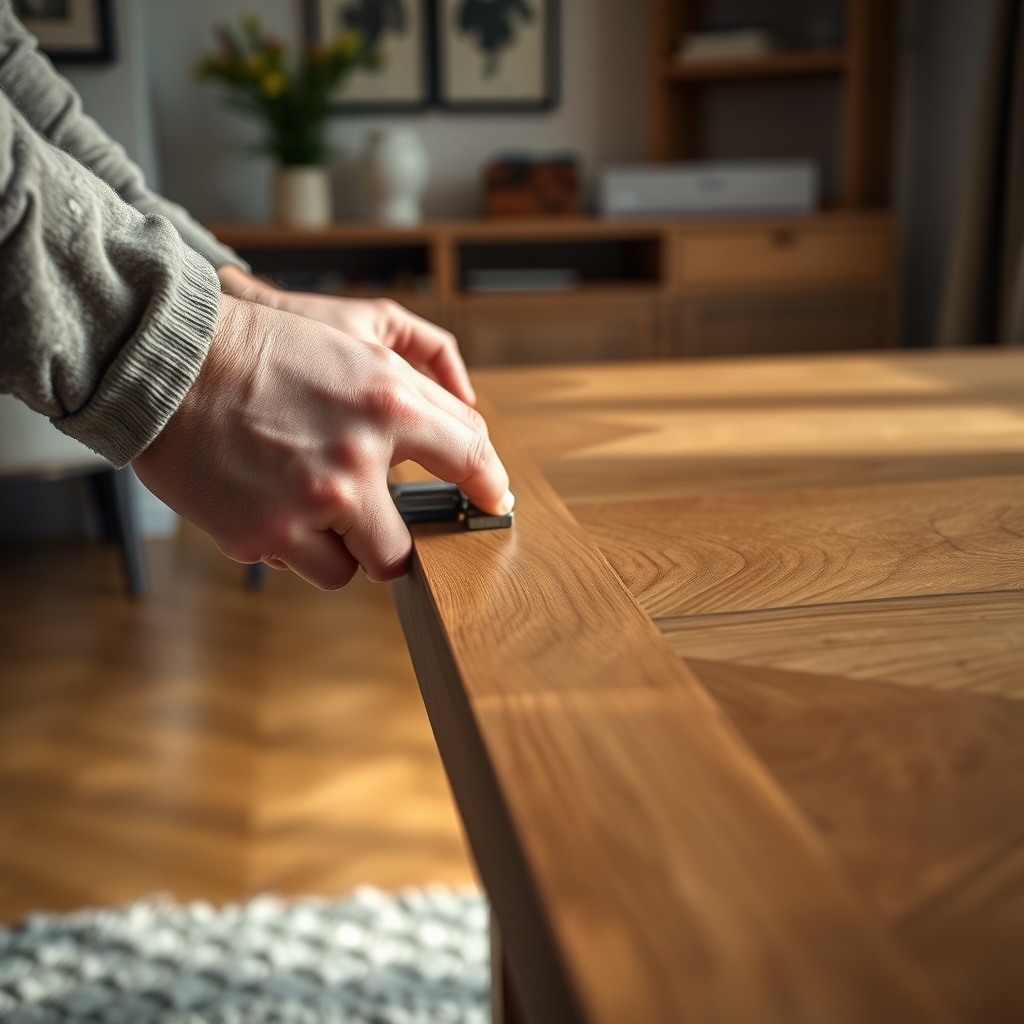
- Verify ease of use. Test movement: can one person extend and contract the table smoothly with no sticking or squeaking? If shopping online, video reviews are invaluable.
- Consider future resale. Well-known brands, neutral materials, and minimal wear on hinges all help preserve value if you plan to move or upgrade.
- Plan coordinated lighting and decor. Use overhead pendants or cordless lamps to highlight the flexible dining zone and avoid ceiling wiring headaches in rental apartments.
Bonus: For even more flexibility, coordinate with other adaptable furniture trends—blend an expandable table with Murphy bed with desk combos or quirky home decor for apartments that transform on demand.
Advanced Analysis and Common Pitfalls with Expandable Dining Tables
Choosing an expandable dining table isn’t problem-free. Many buyers overlook long-term maintenance, technical differences between mechanisms, and even hidden costs—which can lead to regrets down the road. It’s crucial to understand potential pitfalls before committing.
Common Technical and Durability Issues
| Mechanism Type | How It Works | Strengths | Weaknesses |
|---|---|---|---|
| Butterfly leaf | Hinged leaf folds in/out from the center | Invisible leaf storage; can expand with one person | Hinges can loosen; higher risk of misalignment over time |
| Drop leaf | Side flaps fold up/down for quick size change | Very compact when closed; easy for tight spaces | Flaps often limited in size; wobbly if hinges wear |
| Folding/Swing-out | Table splits and leaves are added/unfolded | Offers wide expansion; usually solid feel | Loose parts may get lost; can be heavy to manage |
| Panel-based (e.g., Transformer Table) | Insert multiple panels to reach desired length | Maximum flexibility; can seat 2 to 12+ on demand | Panels require storage; possible seam gaps |
Space-Efficiency Comparison
In 2024, the Transformer Table stands out, expanding from 18 inches to 10 feet with five panels. The Castlery Dillon model grows from 74.8 to 110.2 inches, seating up to 8. But, beware that not all “expandable” tables provide full clearance for chairs at max size—always check under-structure and supports before buying.
Urban buyers prioritize compact footprints under 40 inches for daily use, and the ability to seat 2–4 daily, then up to 8 for special occasions. Square and oval designs dominate where both traffic flow and wall clearance are tight (Mordor Intelligence), but some models sacrifice real legroom to achieve these footprints.
Hidden Costs and Maintenance Neglect
Despite the market’s billions in value, there is a big information gap in documented user complaints and pricing data. Buyers report (in forums and reviews) issues with:
- Lack of clear instructions for cleaning and lubricating extension slides, which can result in sticking or squeaking
- Poor quality hinge hardware in low-cost models causing instability or failure
- Underestimated cost of matching chairs and protective pads
- Storage frustrations for removable leaves or panels in small apartments
- Surprise delivery fees for heavy, solid-wood models
To address these gaps, always ask for warranty terms, inspect mechanism build materials, and insist on clear manufacturer care guidelines—especially if you’re investing at the higher end of the space-saving furniture market.

Conclusion
Expandable dining tables have become a staple of smart, space-conscious homes. If you select thoughtfully—choosing a durable mechanism, matching the shape and size to your needs, and staying informed about care—an expandable dining table can remain versatile for years. Start by measuring carefully, testing mechanisms, and comparing space-efficiency. Ready to reclaim your dining area? Explore the latest expandable dining table options now for a truly flexible home.
FAQ
How much space do I need to use an expandable dining table?
For comfortable daily use, leave at least 36 inches around the table on all sides to allow chairs to slide out and people to move. Remember to measure both the compact size and fully expanded length before choosing a model.
Are expandable dining tables durable for daily use?
Most modern designs are built with mixed materials and improved mechanisms for greater durability. However, heavy daily expansion puts stress on hinges and slides—look for solid wood frames and quality hardware if you plan frequent conversions.
Does the extension mechanism affect comfort and long-term performance?
Yes. Butterfly and panel-based systems allow seamless storage of leaves but may be more complex to maintain. Drop leaf tables work best for quick size changes but can be less stable if hinges wear out.
What is the average price range for a quality expandable dining table?
Current data does not provide definitive retail prices. Expect quality models using solid wood and easy-glide mechanisms to range from several hundred to over a thousand dollars, not including matching chairs. Always compare multiple sources and request warranty details.
How do I integrate an expandable dining table with my lighting and décor?
Pair your table with clustered kitchen pendants, layered lighting ideas, or textured home accents for a unified look. Cordless and modular fixtures allow flexibility as your dining layout shifts.
—